
Read our Sigma BF review for owner feedback, pros, cons,...
Read More
Sigma BF Review 2026: A Beautifully Impractical Camera That Redefines Photography
8-July-2026 / Content written by Humna!
Chapters
Most cameras today are packed with more features than many photographers will ever use.
The Sigma BF goes in the opposite direction.
It is a premium full-frame camera with no viewfinder, no mechanical shutter, no memory card slot, and a design so minimal that it almost feels unfinished at first.
But that is also the point.
The Sigma BF is built for photographers who want fewer distractions and a slower, more intentional shooting experience. It can feel limiting, even frustrating, but it can also make you focus more on light, framing, and timing.
This review looks at where the Sigma BF feels special, where it feels difficult, and who should actually consider buying it.
Quick Answer
The Sigma BF is a minimalist full-frame camera for photographers who care about design, simplicity, compact size, and intentional shooting more than having every pro feature.
Its 24.6MP full-frame sensor, 230GB built-in internal storage, USB-C charging, hybrid autofocus, and 6K video support make it more capable than its simple body suggests. Sigma also replaces the memory card slot with internal storage, which keeps the camera clean and card-free.
The BF works especially well with compact Sigma Contemporary L-Mount primes, where the whole setup stays small and beautifully balanced.
It is less ideal for sports, wildlife, serious vlogging, fast action, or professional hybrid work. There is no built-in viewfinder, no traditional IBIS, no mechanical shutter, and the fixed screen makes self-recording harder.
Best for:
Street, travel, lifestyle, personal projects, minimalist photography, everyday full-frame shooting, and design-conscious creatives.Skip it if:
You need fast action autofocus, a viewfinder, long battery life, in-body stabilization, advanced video controls, or the best value for money.Overall rating:
4.1/5
This is a research-based review, not a hands-on lab test. It uses official specifications, expert reviews, owner feedback, and repeated user experience patterns.
The goal is not to sell the Sigma BF blindly, but to give a balanced view of its strengths, limitations, and real-world ownership experience.
This article may contain affiliate links. As an Amazon Associate and Direct Affiliate, we earn from qualifying purchases at no extra cost to you.
What This Review Will Help You Decide
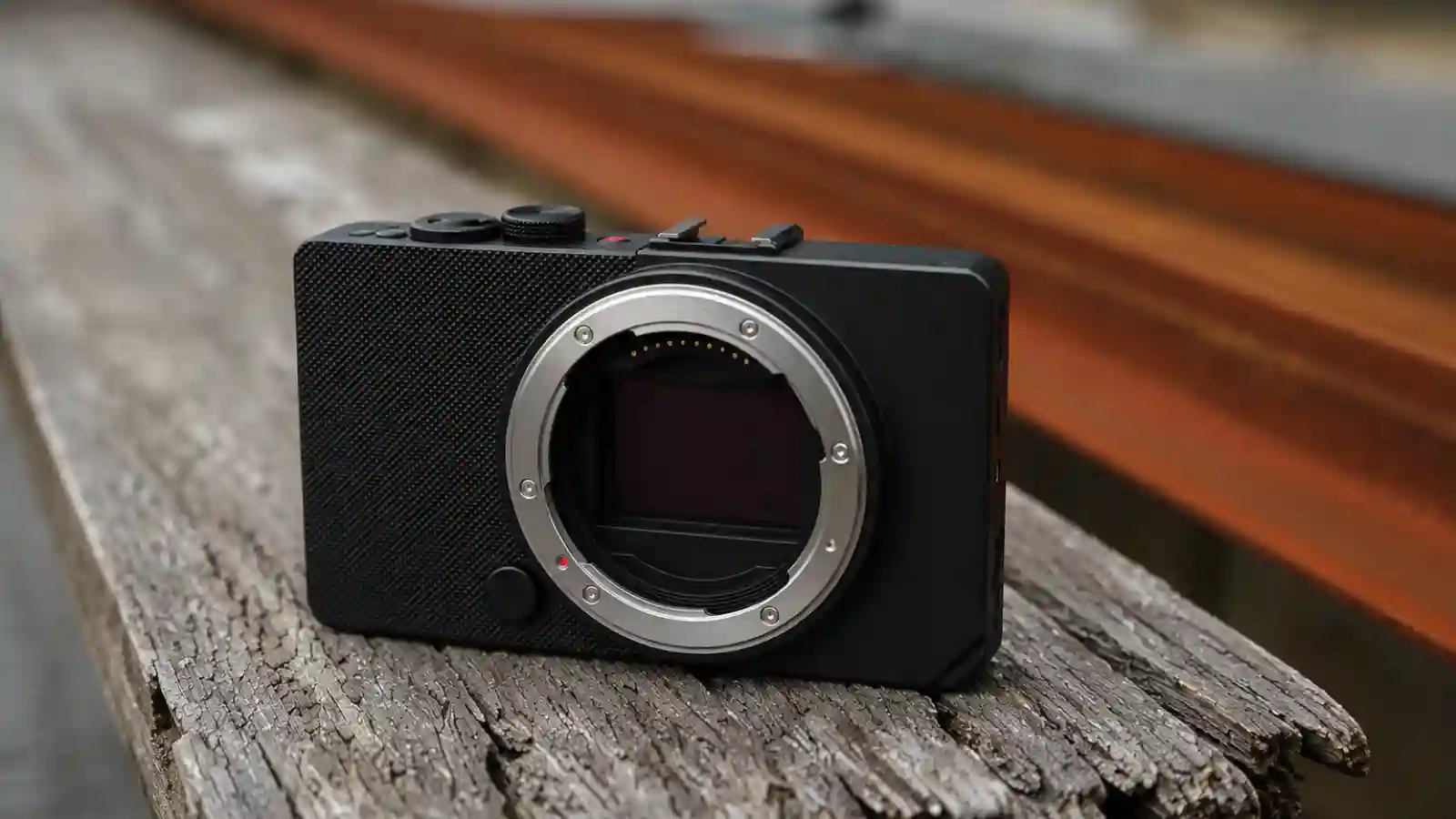
This review is not just a Sigma BF specs breakdown. The real question is simple: does this minimalist full-frame camera fit the way you shoot?
The BF makes the most sense for design-conscious creatives, L-Mount users, and photographers who want a slower shooting experience with fewer distractions. But its clean design also comes with real limits.
In this review, we’ll look at how the Sigma BF feels in daily use, where it performs well, where it struggles, and who should actually consider buying it.
Should You Buy the Sigma BF? Quick Fit Finder
Check the points that match your shooting style. This quick tool helps you decide if the Sigma BF fits the way you actually shoot.
Sigma BF Real World Review: Owner Feedback and Daily Use Experience
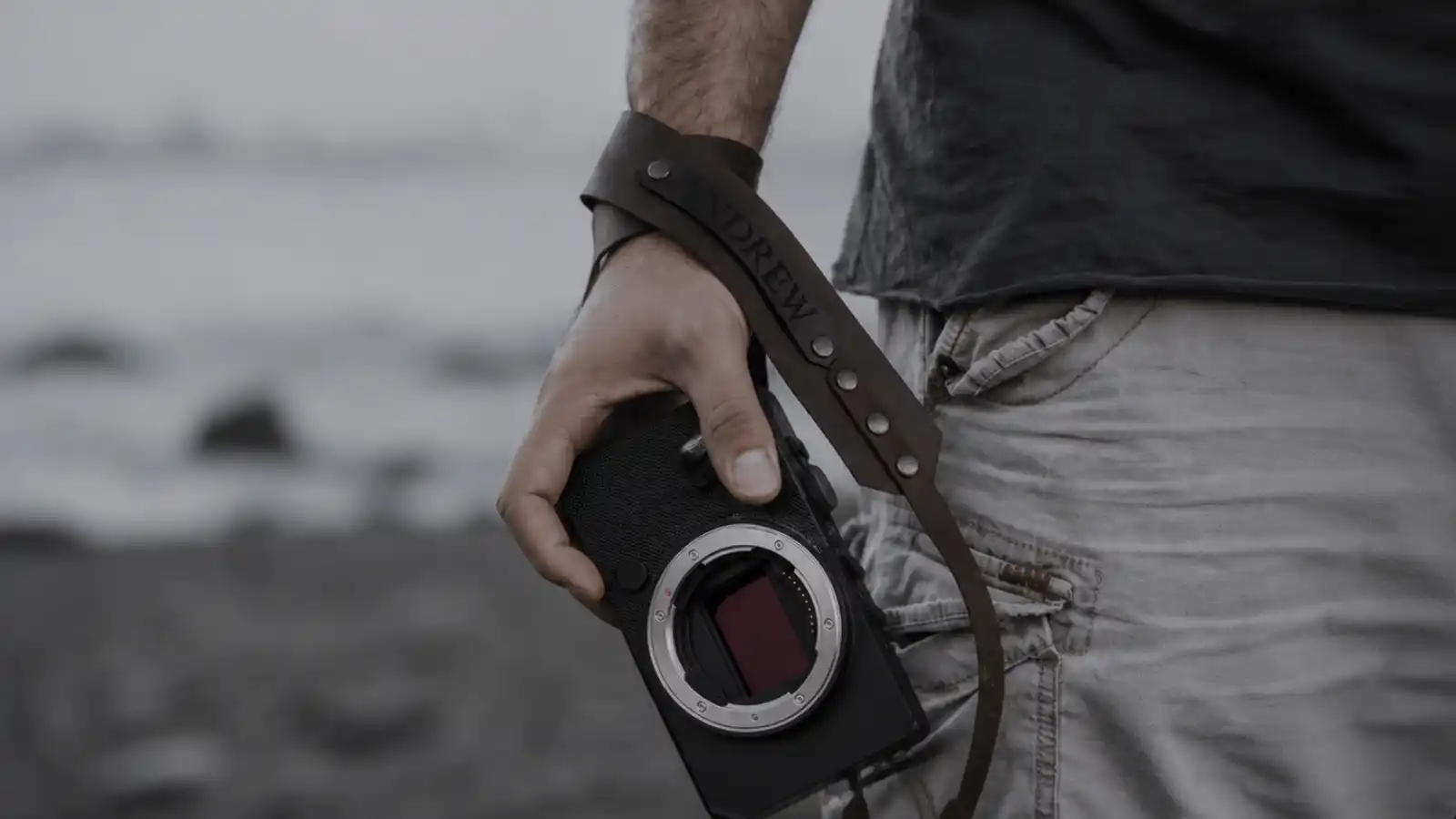
In real world use, the Sigma BF feels less like a traditional full frame camera and more like a slow, design focused creative tool.
Based on worldwide owner feedback one pattern appears again and again: the BF can feel strange at first, but it starts to make more sense when photographers accept its simpler way of shooting.
At HZ Lens Lab, we do not claim hands-on testing unless we have personally used a camera. This section is based on repeated real-world experiences shared by Sigma BF users, reviewers, and photographers who have spent time with its minimal design.
First Impressions: Beautiful, But Different
The first thing many owners notice is the build.
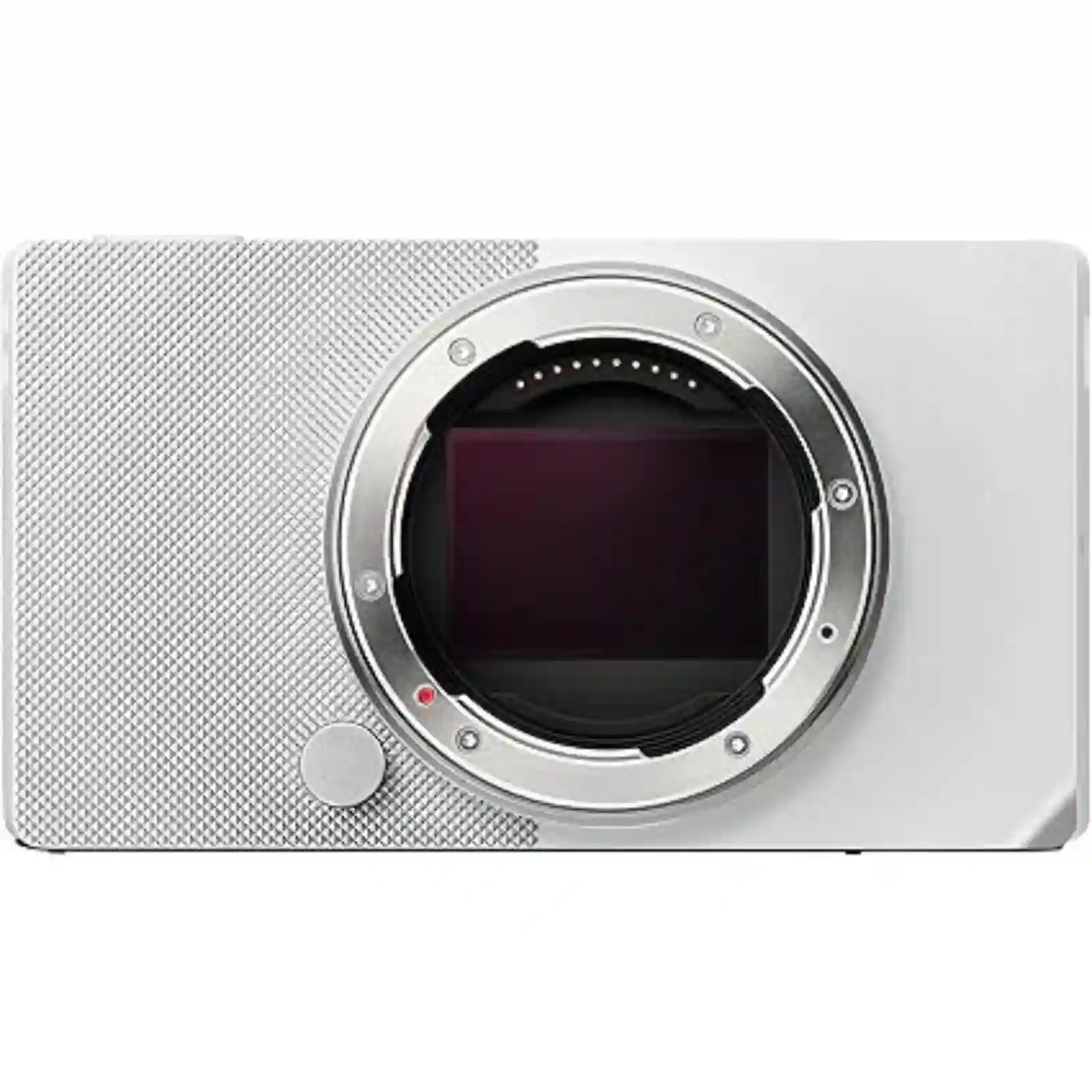
The Sigma BF has a clean, premium feel, and its unibody aluminum design makes it stand out from most full-frame cameras. It feels less like a normal mirrorless body and more like a carefully designed creative tool.
But once the camera turns on, the experience feels different.
There is no traditional mode dial, the interface is stripped back, and the button layout is very simple.
For photographers coming from Sony, Canon, Nikon, Fujifilm, or even the Sigma fp, it can create that first reaction: where is everything?
This is where the BF starts to divide users. Some enjoy the clean layout quickly, while others need time to adjust. Instead of relying on familiar controls, the camera pushes you to focus more on light, framing, timing, and the picture in front of you.
The Early Adjustment Phase
The Sigma BF takes time to learn because it removes many familiar controls. Its simple layout can feel strange at first, especially if you are coming from Sony, Canon, Nikon, or Fujifilm.
Once users adjust, the benefit becomes clearer. The BF pushes you to slow down, watch the light, frame carefully, and think before each shot.
Battery life, low-light autofocus, and the missing viewfinder still need planning, but many users enjoy the calmer shooting rhythm for street, travel, and personal photography.
Where the Sigma BF Starts to Click
The BF starts to make sense when users stop treating it like a regular full-frame camera.
It is not built for constant menu changes or fast control switching. It works best when shooting feels simple, slow, and intentional.
Many users enjoy it most with compact L-mount lenses, especially the Sigma 45mm f/2.8. This keeps the setup small, balanced, and useful for everyday photography, street walks, travel details, and personal projects.
Manual focus lenses also add to the experience. With focus peaking, the BF feels more tactile and deliberate, helping users slow down and build the frame with more care.
This is where its minimal design starts to feel less like a limitation and more like the reason people enjoy it.
The Shooting Rhythm
Once users get used to the BF, the feedback becomes more positive.
The camera encourages a slower rhythm. Instead of changing settings again and again, you start paying more attention to the scene itself: light, background, subject movement, colors, and timing.
That is also why many photographers describe the BF as a personal camera rather than a workhorse camera.
It is not trying to replace a fast hybrid body like the Sony A7C II. It is not trying to be a fixed-lens luxury compact like the Leica Q3. And it is not exactly the same idea as the Sigma fp either.
The BF feels more like a creative second body for people who want a cleaner and quieter shooting experience.
Long-Term Use: A Mindful Second Body
The strongest long term feedback around the Sigma BF is that it works best when you accept what it is.
It is not the most practical full frame camera for every situation. But for design conscious creatives, L-mount users, and photographers who enjoy simple tools, it can become a very personal camera.
Firmware updates are also worth watching because they can improve autofocus behavior, stability, and small usability issues over time. Since the BF is such a unique camera, ongoing support from Sigma matters for long-term confidence.
The aluminum body is another part of the ownership experience. Some users may worry about scratches at first, but over time, small marks can make the camera feel more personal, especially if it becomes a regular everyday carry body.
Quick Takeaways
The Sigma BF is best for photographers who enjoy clean design, simple controls, compact full frame image quality, and a slower shooting process.
It may feel less suitable for users who need fast autofocus, a built-in viewfinder, long battery life, and traditional camera handling.
Based on our research, the Sigma BF is a camera that rewards patience. It is not about having every feature. It is about removing distractions and making you pay closer attention to the picture in front of you.
Why the Sigma BF’s Minimalism Matters
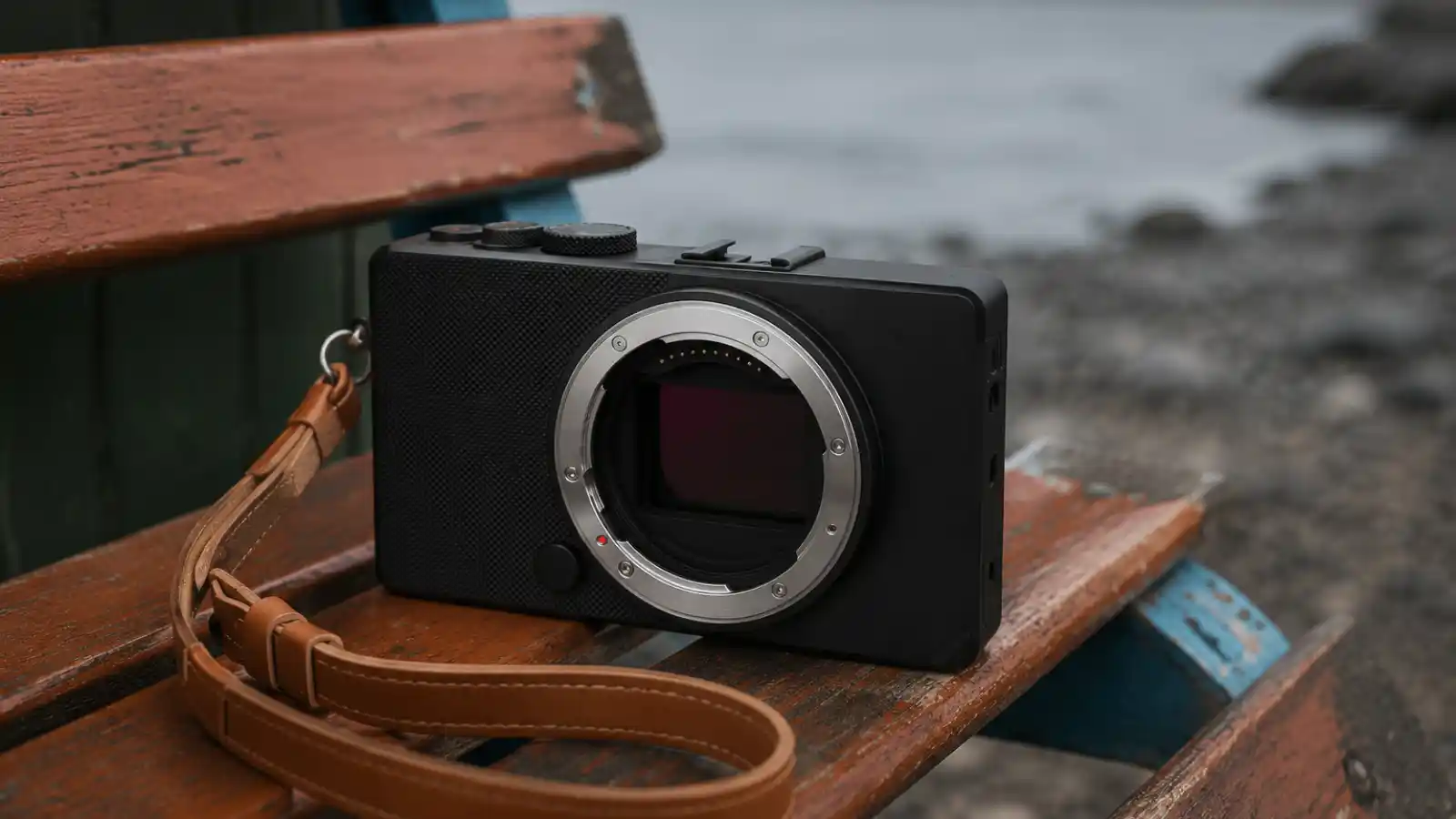
The Sigma BF camera is not built to impress with a long feature list. That is the point.
In a world where cameras and smartphones are getting faster, smarter, and filled with AI tools, the BF chooses simplicity. This is what “beautiful foolishness” means here: doing less on purpose, not because technology is bad, but because too many features can distract you from the real reason you picked up a camera, to notice something worth capturing.
Its minimalist design feels unusual today, but that is what makes it interesting. It reminds us that better photography is not always about more tools. Sometimes, it is about seeing more clearly with fewer distractions.
Why Fewer Options Can Improve Your Photography
Modern cameras offer a lot, from advanced autofocus and tracking modes to custom buttons, deep menus, picture profiles, video tools, and automatic settings. These features are useful, but they can sometimes make photography feel more technical than emotional.
The Sigma BF works differently. With fewer things to adjust, it pushes you to focus more on light, shadows, colour, timing, background, and composition.
Instead of thinking, “Which setting should I change?” you start asking,
- Is the light interesting?
- Is the frame clean?
- Is this the right moment? Should I wait?
That is where the BF’s creative value begins. Its limits are not just restrictions. They can become a creative catalyst.
Creative Constraints Can Make You More Intentional
A camera with fewer options may feel limiting at first, but in photography, limits can help you focus.
When the camera does not try to do everything for you, you become more responsible for the final image. You think carefully about what should stay in the frame, what should be left out, and which small details are worth noticing.
This slower mindset works well for nature photography, street scenes, travel moments, quiet portraits, and documentary-style images.
The BF does not force every scene to look perfect. It lets light, shadow, mood, and imperfection stay part of the image, which feels very different from how many modern devices treat photography.
A Slower Camera in a Fast Smartphone World
Smartphones are fast, light, easy to use, and always ready. They can improve shadows, low light, sharpness, colours, and make a photo ready to share in seconds.
But they also train us to move quickly: take, check, edit, post, and move on.
The BF goes against that habit. It asks you to slow down, observe, frame, and decide. The process may not suit everyone, but for photographers who enjoy the act of photography, not just the result, it can feel refreshing.
BF vs Smartphone Photography: What Really Changes?
A BF vs smartphone comparison is interesting because both work differently.
A smartphone is built for speed, quick sharing, difficult lighting, and automatic correction through computational photography.
The Sigma BF is built for a slower, more intentional process where the photographer makes more choices.
A smartphone asks, “How can this look better instantly?”
The BF asks, “What did you see, and how do you want to frame it?”
That is why smartphone photos may look cleaner and brighter, while BF images may feel quieter, more deliberate, and more personal.
The real question is not just, “Which looks better?” It is, “Which feels more intentional?”
Who Will Appreciate the BF’s Minimalist Design?
The BF will not be for everyone.
If you want a camera with the most features, fastest workflow, advanced video tools, and full control over every setting, another camera may make more sense.
But the BF may appeal to photographers who want:
A minimalist camera design
A slower and more focused shooting experience
A clean and simple tool
A break from smartphone-style photography
A camera that encourages better observation
A different creative rhythm
A tool that feels more personal than automatic
This is where the BF’s “beautiful foolishness” starts to feel less foolish and more meaningful.
Why This Beautiful Foolishness Matters
The Sigma BF gives up some convenience to bring back attention.
It may not be the most practical camera for every job, but that is why it stands out. In a world of faster, easier, and more automatic photography, the BF reminds us that slowing down still matters.
Fewer features can still feel powerful. Sometimes, the stronger image comes from doing less, looking longer, and letting the moment speak first.
Design, Build, and Handling: Clean, Solid, and Different
Unibody Aluminum Construction: Beauty With a Tough Side
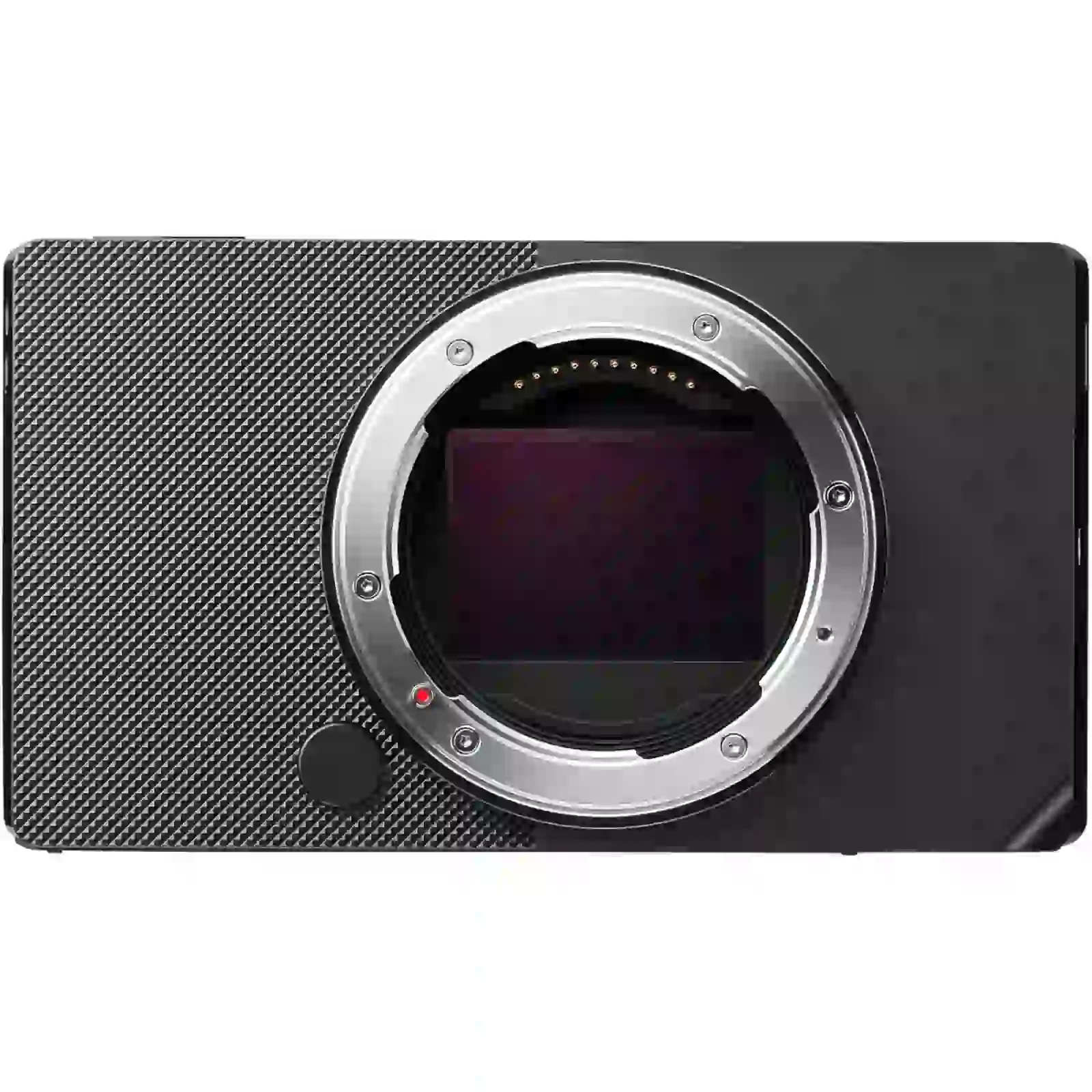
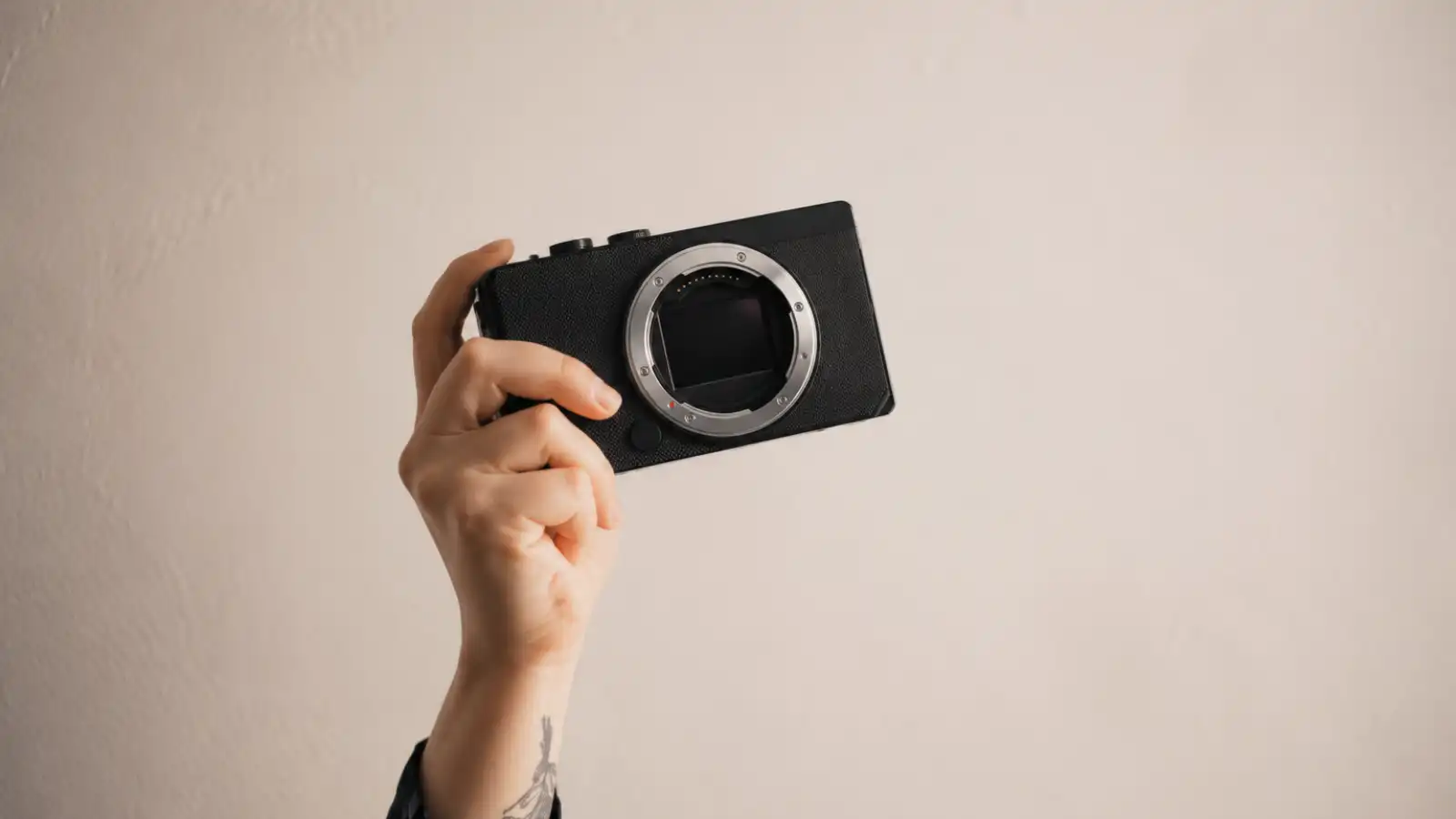
The Sigma BF does not look like a typical camera, and that is part of its charm. Its body is made from a single block of aluminum, giving it a clean, seamless, and premium feel.
At around 446g, it is not the lightest compact camera, but the weight adds solid character. The unibody design also keeps everything visually simple, with no busy lines, unnecessary styling, or traditional camera clutter. Everything feels intentional.
Black vs Silver Finish: Which One Should You Choose?
The Sigma BF comes in black and silver, and each finish gives the camera a different personality.
The silver version looks classic, eye-catching, and more design-focused, but it may show scratches and marks more clearly over time.
The black version feels more subtle, practical, and better matched with most black L-mount lenses, especially Sigma’s compact Contemporary primes.
Practical tip: Choose black for a cleaner lens-matched setup. Choose silver if you prefer a stylish look and do not mind visible wear adding character.
Scratches, Dings, and Long-Term Character
Because of its aluminum body, the Sigma BF may pick up small scratches, dings, or marks with regular use. Some photographers may see this as a drawback, while others may feel it adds personality.
A camera like this does not need to stay perfect to feel valuable. Small marks can make it feel more personal, like a tool that has been used and carried over time.
If you want to keep it looking clean for longer, a soft pouch, wrist strap, or careful storage can help.
Trapezoidal Shape and Grip: One-Handed Confidence
The Sigma BF’s trapezoidal shape is one of its most unusual design choices. Instead of a traditional deep grip, it uses a clean angled body with a textured leatherette grip area.
This shape helps the camera sit naturally in the hand, giving your fingers a secure place to rest.
For street photography, travel, casual portraits, and everyday shooting, it can feel easy to carry and quick to raise for a shot.
Balance With Compact L-Mount Lenses
The BF works best with compact L-mount lenses, especially smaller Sigma Contemporary primes. With these lenses, it feels balanced, clean, and comfortable for one-handed shooting.
With heavier L-mount lenses, the small body can feel front-heavy. So, for the best handling experience, pair the BF with smaller lenses where its minimalist design makes the most sense.
The Missing Viewfinder: A Forced New Perspective
One of the biggest design choices on the Sigma BF is the missing viewfinder. You shoot only through the rear LCD screen.
For photographers used to an EVF, this may feel awkward at first because it changes the shooting rhythm. But without a viewfinder, you stay more aware of the scene around you, which can make street, travel, and casual photography feel more open, relaxed, and less intrusive.
Using the LCD, Histogram, and Exposure Preview
Because there is no viewfinder, the rear LCD becomes your main guide, making exposure preview and the histogram more important.
The LCD helps with framing, but screen brightness can be misleading, especially outdoors.
Practical tip: For better exposure control, use the LCD to compose, then rely on the histogram and exposure preview to avoid blown highlights or overly dark shadows.
This habit can make LCD-only shooting feel more natural.
Bright Sunlight: The Main Handling Challenge
The biggest challenge with an LCD-only camera is bright sunlight. In strong outdoor light, the screen can be harder to see, especially in open areas.
Simple workarounds can help:
Increase the screen brightness outdoors
Shade the LCD with your hand
Turn your body away from direct sunlight
Check the histogram instead of trusting only the screen
Frame carefully when reflections appear
The BF may not offer the comfort of an EVF, but it encourages a slower and more careful shooting style.
Final Thoughts on Design and Handling
The Sigma BF stands out by avoiding the usual camera design formula. Its unibody aluminum build feels premium, the black and silver finishes give it different personalities, and the trapezoidal shape makes it more comfortable than expected.
The missing viewfinder creates a different shooting experience, which may feel limiting if you want a traditional grip, built-in EVF, or better balance with large lenses. But if you enjoy clean design, compact lenses, slower shooting, and a tactile feel, the BF feels special, like a camera you truly notice in your hand.
User Interface and Controls: Simple, Clean, but Not Instant
The Three-Button Layout: Simple, but Different
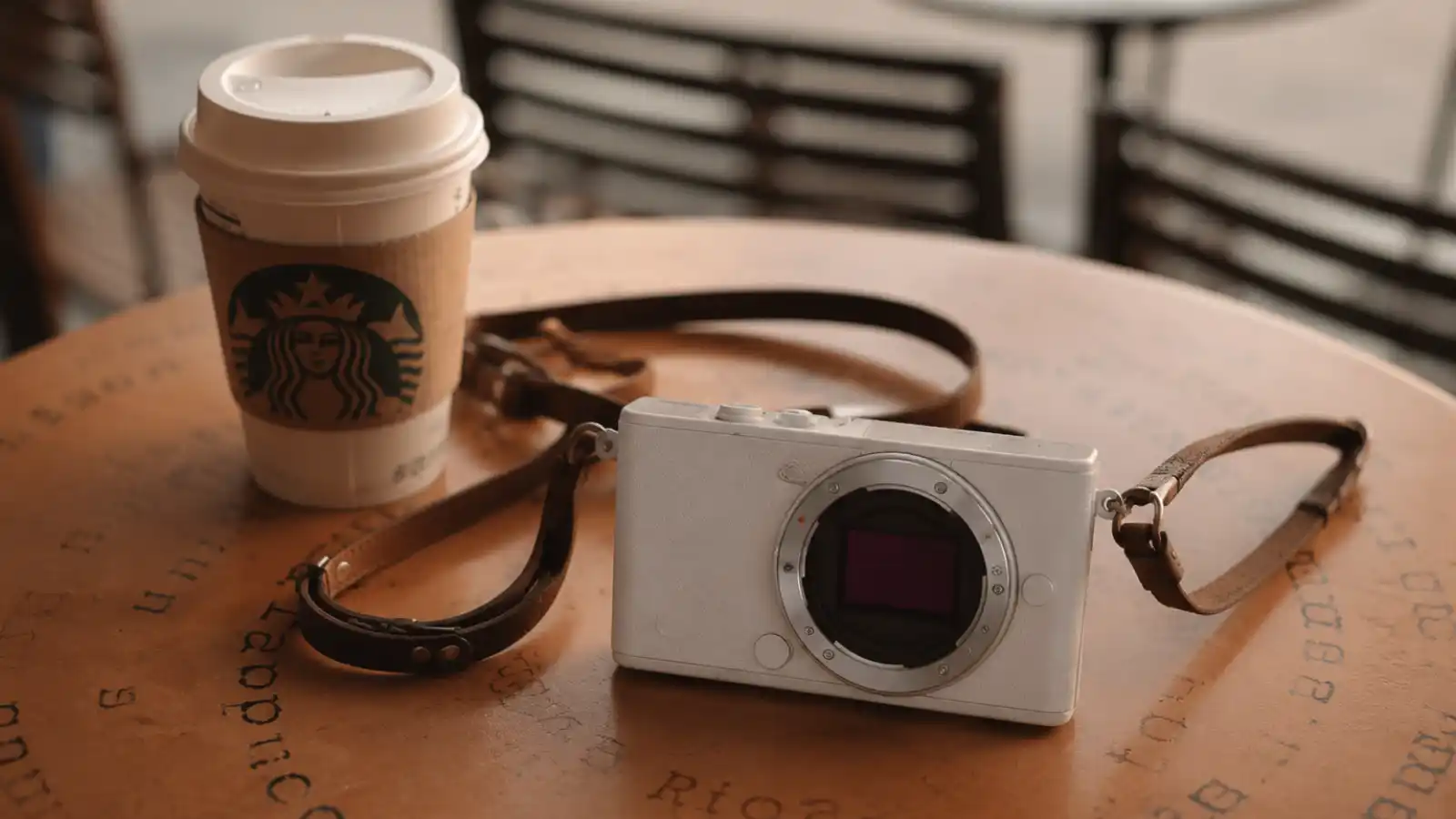
The Sigma BF keeps its control layout extremely simple. Instead of many labelled buttons, mode dials, and shortcut keys, it uses a shutter button, a control dial area, and a few basic buttons for menu, playback, and delete.
This clean layout looks beautiful, but it also creates a learning curve. At first, the unlabeled buttons can feel confusing. Over time, your fingers learn the layout by touch, and the camera starts to feel less distracting.
That is both the clever and difficult part of the BF. Its minimal controls support the design philosophy, but they also ask the photographer to adapt.
At HZ Lens Lab, we see photography as more than pressing buttons. Because we care about nature, animals, camera tools, and small visual details, the BF’s simple interface feels meaningful: it removes clutter and makes every choice feel more intentional.
Customization Is Useful, But Still Limited
The Sigma BF allows some customization, especially around the control dial and selected functions, so you can keep key settings closer to hand.
Still, it is not made for deep button remapping or a fully custom setup. You can adjust parts of the experience, but you cannot turn it into a traditional button heavy camera. If you want fast access to many settings, it may feel restrictive. If you prefer a simple interface, that limit may feel refreshing.
Practical tip: Keep the camera updated. Sigma released firmware Ver.1.04 on February 19, 2026, adding 1x magnification by double-tap during playback, plus minor bug fixes and improved operational stability.
Menu System: Clean, Simple, and Sometimes Annoying
The Sigma BF’s menu follows the same idea as its body design: only the essentials, with no clutter.
Compared with many modern cameras, it feels clean and calm because you are not scrolling through endless settings, video options, autofocus cases, or custom banks. This can feel like a relief if you dislike complicated menus.
But simple does not always mean instantly easy. At first, common settings may take some hunting, and you may need time to understand Sigma’s layout. After a while, muscle memory helps, but the first few days can feel slower than expected.
Missing Features: What You May Actually Notice
Because the BF is so minimal, some missing features matter more than others.
You may miss:
A built-in viewfinder
More physical buttons
Faster access to common settings
Deeper button customization
A traditional control layout
You may not miss:
Overloaded menu pages
Too many autofocus modes
Extra buttons you rarely use
Complicated custom setups
A busy screen full of icons
That is the trade-off. The BF removes both distractions and conveniences, so whether it feels brilliant or limiting depends on how you like to shoot.
The LCD as Your Only Interface
The LCD is the main way you use the Sigma BF. Because there is no viewfinder, the rear screen handles framing, menus, playback, touch controls, and focus point selection.
Sigma lists the BF with a 3.15-type TFT colour LCD, around 2.1 million dots, touch support, and about 100% coverage. That makes screen quality very important. A clear, responsive LCD makes the camera easier to use, while poor outdoor visibility can make the experience harder.
The touchscreen keeps the physical layout clean, but it also means you rely on the screen for almost everything.
Protect the Screen Because It Does Everything
Since the LCD is your only viewfinder, review screen, and main interface, protecting it is a smart idea.
A good screen protector can reduce scratches from daily use, camera bags, dust, and fingerprints, especially if you use the BF for travel, street photography, or everyday shooting.
Practical tip: Choose a high-quality tempered glass protector that fits the Sigma BF properly. Avoid cheap options that reduce touch sensitivity or make the screen harder to see outdoors.
Image Quality: The Sensor That Saves the Day
24.6MP Full-Frame Sensor: Familiar, But Still Strong
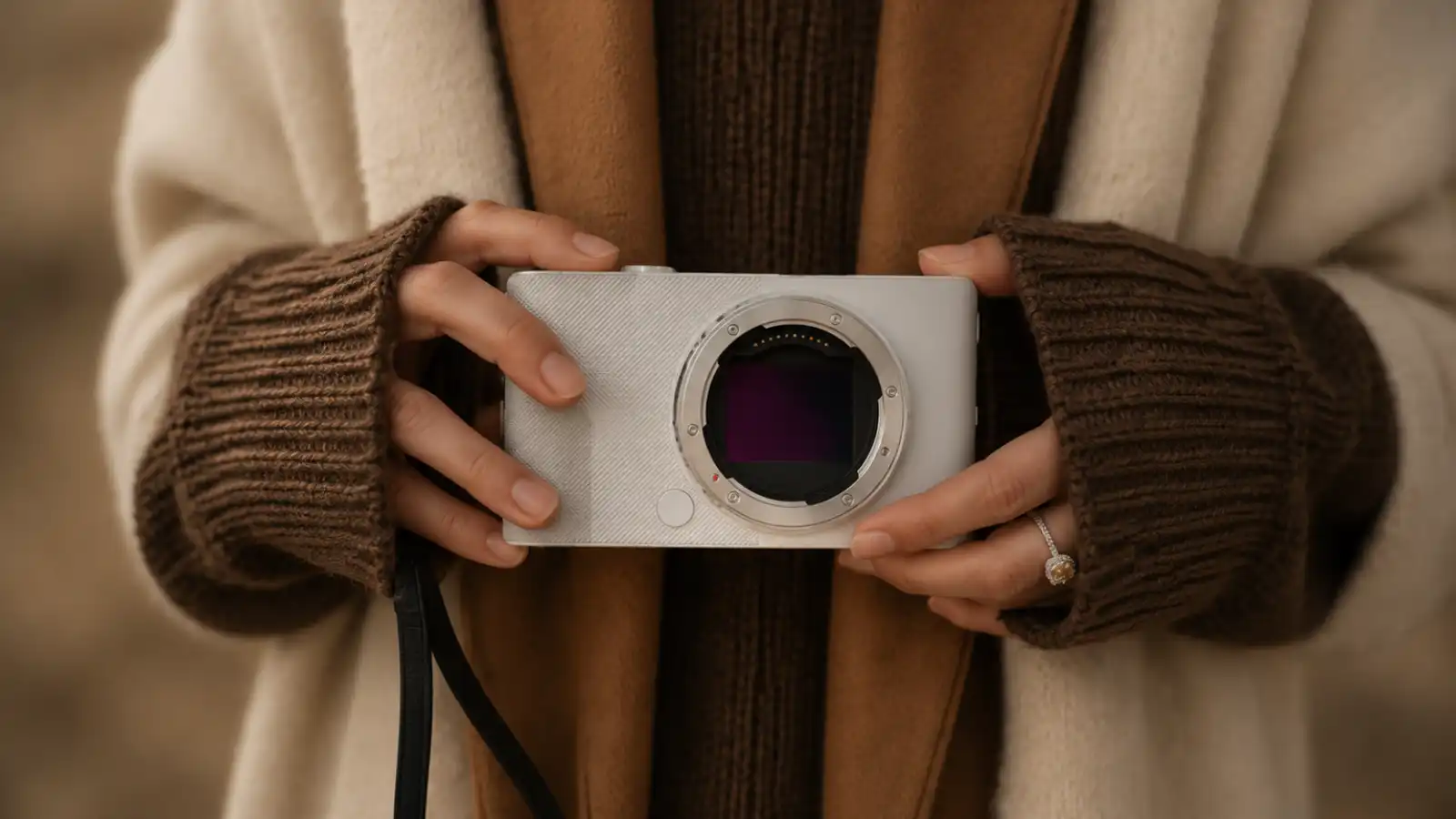
The Sigma BF uses a 24.6MP full-frame back-illuminated CMOS sensor with 14-bit DNG RAW support, giving photographers good detail, low-light potential, and more flexibility for editing.
It is not trying to win with huge resolution. Instead, it focuses on a balanced full-frame look with pleasing depth, natural detail, and files that have room to work with.
For such a minimal camera body, this sensor makes the BF feel more serious.
Dynamic Range: Helpful for Light and Shadow
A good full-frame sensor matters most in difficult light. In high-contrast scenes, like a bright sky over a shaded street or sunlight through trees, dynamic range helps protect highlights while keeping shadows flexible.
With RAW files, the BF should give more room to recover dark areas and control bright parts, which is useful for travel, street, nature, and mixed-light portraits. Still, careful exposure matters, so tools like histogram, zebra pattern, and false colour can help judge brightness before the shot.
High ISO Performance: How Far Can You Push It?
The Sigma BF offers a wide ISO range of 100–102400, plus expanded low ISO options. This makes it flexible for low light shooting, but the highest ISO settings will not always give the cleanest results.
Lower ISO should give cleaner files with better colour, smoother shadows, and more detail. As ISO increases, noise becomes more visible, especially in shadows, night scenes, and indoor backgrounds.
Higher ISO images can still work well for web use because they are usually resized. For large prints or heavy editing, lower ISO is safer because noise, softness, and detail loss are easier to see.
Simple Take: The Sigma BF has enough ISO range for low-light use, but lower and middle ISO settings will likely give the best quality. Higher ISO is helpful when getting the shot matters more than getting a perfectly clean file.
Compared With Sony A7C II and Leica Q3 in Low Light
Compared with the Sony A7C II and Leica Q3, the Sigma BF is not trying to win every spec battle.
The Sony A7C II gives you a higher 33MP sensor, stronger autofocus, more controls, and better all-round flexibility. The Leica Q3 goes even higher with a 60MP full-frame sensor, but it is a fixed-lens premium compact, not an interchangeable-lens camera.
The BF’s strength is different. It gives you full-frame image quality in a very simple, minimalist body. If you want maximum resolution, the Leica Q3 is stronger. If you want better autofocus and general flexibility, the Sony A7C II makes more sense. But if you want a slower, more intentional full-frame camera, the Sigma BF has its own appeal.
Colour Science and Built-In Profiles
Colour plays a big role in how a camera’s images feel. The Sigma BF includes 13 colour modes, including Standard, Rich, Calm, Powder Blue, Warm Gold, Teal and Orange, FOV Classic Blue, FOV Classic Yellow, Forest Green, Sunset Red, Cinema, 709 Look, and Monochrome.
These profiles help shape the mood before editing. Softer looks can suit nature, flowers, quiet streets, and gentle portraits, while richer profiles can work well for blue skies, travel photos, and stronger contrast scenes.
This fits the BF’s creative style well. Instead of endless settings, it gives you simple colour choices that quickly change the feeling of an image.
Practical Tip: Try these colour profiles with custom white balance. A small white balance change can make skin tones, flowers, skies, and indoor light look more natural.
Sample Image Walkthrough: What to Include
Image quality is easier to judge when you look at real examples, not just sensor specs. When viewing Sigma BF sample images, check these areas:
Sharpness in fine details like hair, fabric, leaves, and building edges
Colour accuracy in skin tones, flowers, skies, and indoor light
Shadow detail in darker parts of the image
Noise levels in low-light and high ISO shots
Straight-out-of-camera JPEG quality for Sigma’s built-in colour style
Edited RAW files to see how much flexibility the image has in post-processing
EXIF data, when available, to understand the aperture, shutter speed, ISO, and lens used
These details make it easier to judge the Sigma BF’s real image quality instead of relying only on numbers or marketing claims.
Autofocus Performance: Good Enough, Most of the Time
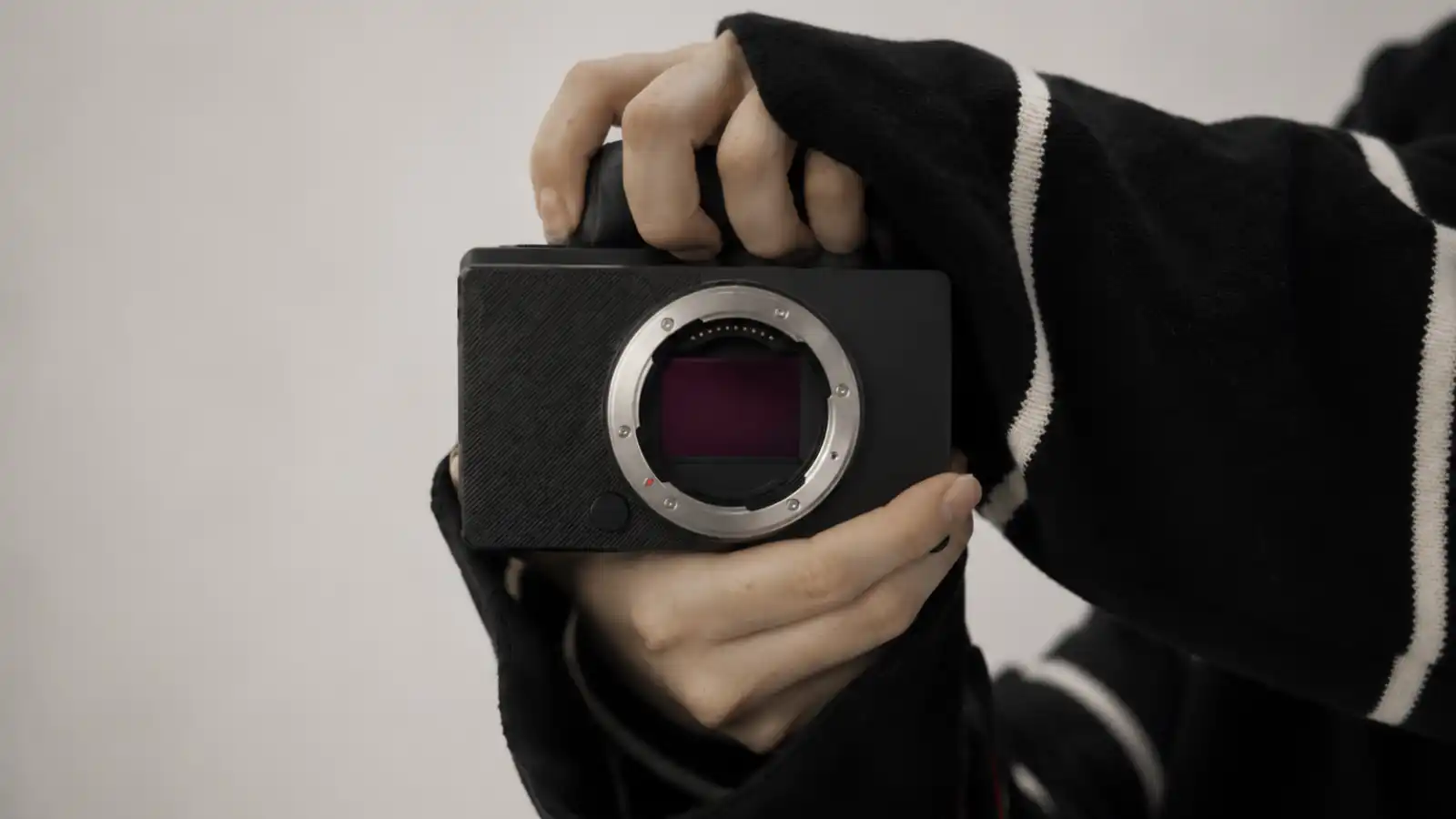
The Sigma BF’s autofocus is designed for simple, everyday photography. Its biggest strength is that it keeps the shooting experience easy, especially for portraits, street photos, travel, and casual daily use.
Sigma describes the BF as using a hybrid autofocus system, so it is not only a contrast-detect AF camera.
Hybrid Autofocus in Good Light
In good light, the BF should feel quick and reliable with native L-mount lenses. This is where the camera feels most comfortable, especially when shooting still subjects, people, travel scenes, and everyday moments.
Face and eye detection are useful for portraits and casual shooting. They help keep attention on the subject, so you can focus more on framing and timing instead of constantly adjusting focus settings.
Firmware support is another plus. Sigma has improved autofocus performance through updates, so keeping the camera on the latest firmware is worth doing for the best experience.
Low-Light Struggles: When the BF Stumbles
In dim interiors, night scenes, or low-contrast areas, the BF may take a little longer to lock focus. This is normal for many cameras when the light is weak or the subject does not have clear edges.
The AF assist light can help in some close-range situations, but it is not something to depend on for every scene. For slower shooting, manual focus override is a helpful backup. Focus peaking and magnification make it easier to fine-tune focus, especially with still subjects, adapted lenses, or creative low-light shots.
Tracking and Continuous AF: Not for Action
For simple movement, like a person walking, the BF should do fine. It works best for calm, intentional shooting rather than fast and unpredictable action.
For portraits, street, travel, lifestyle, and everyday full-frame photography, this slower style fits the camera well. But for pets, sports, or wildlife, action-focused shooters may prefer a camera with stronger tracking, such as the Sony A7C II.
Simple Take: The Sigma BF’s autofocus suits portraits, travel, street, and everyday photography in decent light. It is better as an intentional creative camera than a fast-action tool.
Video Capabilities: Useful, But Not the Main Focus
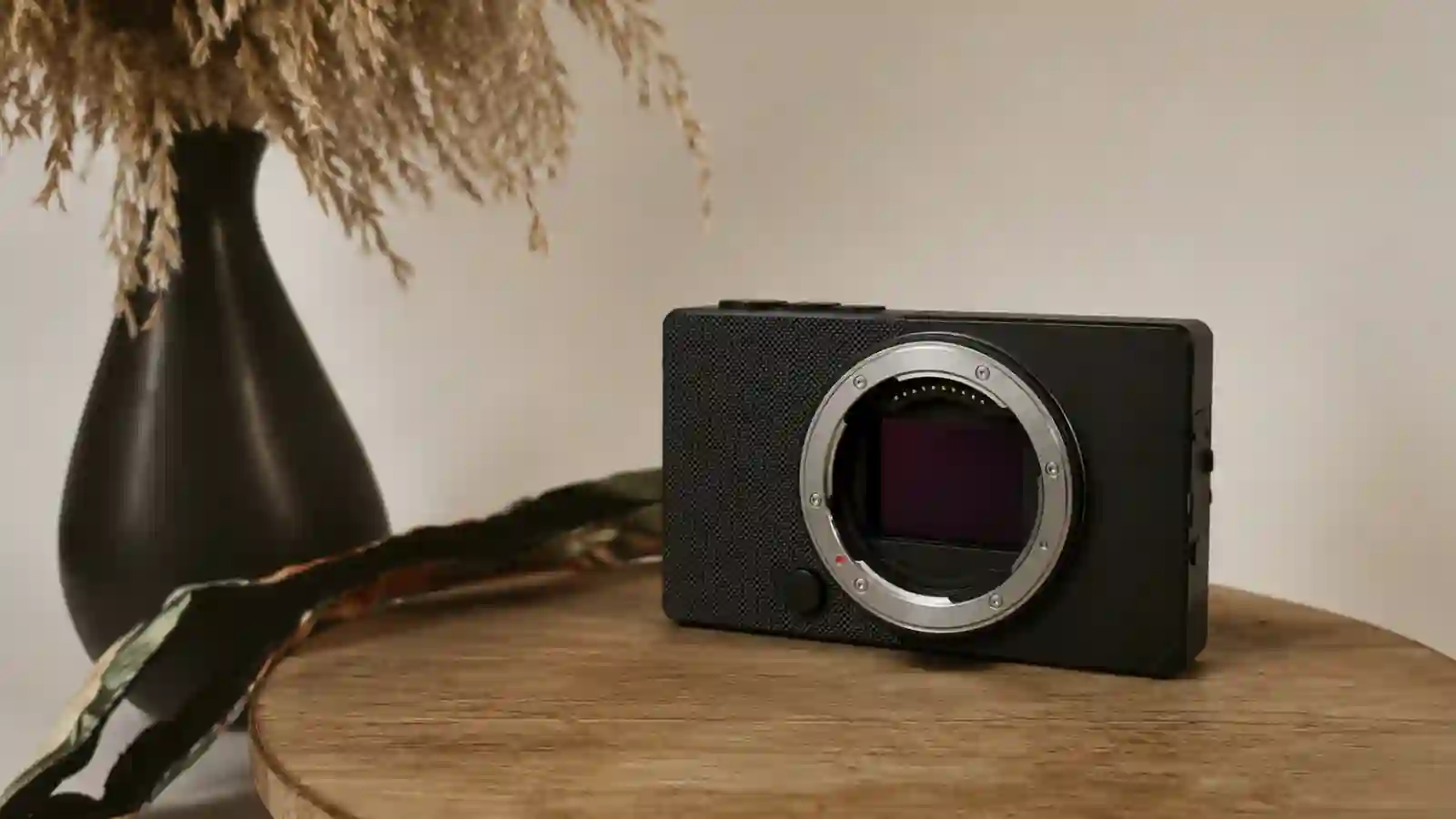
The Sigma BF can shoot good-looking video, but it still feels more like a stills-first camera with helpful video tools. It is capable for short clips, travel footage, creative B-roll, and casual filmmaking, but serious video users may want a more video-focused hybrid camera.
6K and 4K Video Quality: Crisp, But Needs Support
The Sigma BF offers useful video specs for a minimalist full-frame camera, including 6K, 4K, Full HD up to 120fps, HEVC, and L-Log support. In good light, footage should look sharp and clean, while Sigma’s colour profiles can help create ready-to-use clips with less editing.
The main limit is stabilization. The BF does not have traditional IBIS, so handheld video can look shaky.
A few years back, I bought a simple tripod stand for recording work, and it made me realize how much basic support can improve video quality.
That is why, with a camera like the BF, an OIS lens, tripod, or small gimbal can make video shooting much easier.
Audio and Usability for Vlogging
The built-in microphone is fine for basic reference audio, but serious video work will need an external mic. The BF supports external audio through USB-C, but it does not have the simple 3.5mm mic and headphone jack setup found on many video-focused cameras.
For vlogging, the fixed rear screen makes self-framing harder. Autofocus can work for simple self-recording, but it is less safe for fast movement or one-person video where you cannot easily check focus.
Real-World Video Samples
Video samples are the best way to judge the Sigma BF’s real video quality. When checking sample clips, look at:
- Daylight footage for sharpness, colour, and detail
- Indoor clips for noise, skin tones, and mixed lighting
- Low-light clips to see how far the camera can be pushed
- Handheld footage to judge shake and stability
- Gimbal footage to see how polished the video can look with support
The BF can produce crisp video, but steady handling or extra support makes a big difference.
Simple Take: The Sigma BF is good for short clips, travel video, creative B-roll, and casual filmmaking. But for serious vlogging, handheld shooting, or professional video work, a camera with IBIS, a flip screen, stronger audio ports, and deeper video controls will be easier to use.
Battery Life and Charging: The Achilles’ Heel
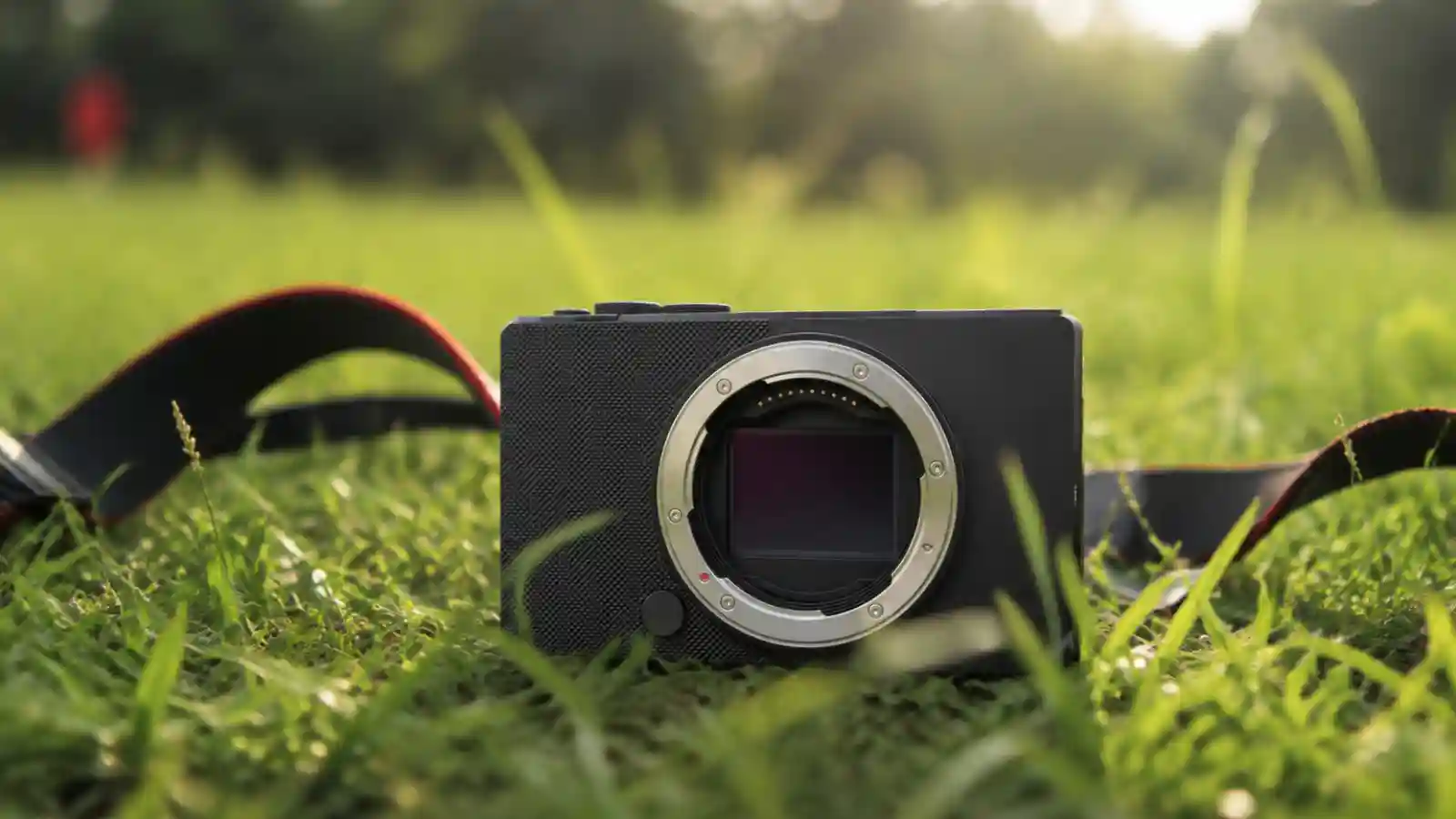
Battery life is something you should plan around with the Sigma BF, especially if you shoot for long hours. The good part is that the camera supports USB-C charging, so keeping it powered during travel, street walks, or longer sessions is much easier.
Real-World Battery Endurance
In real use, the BF is best treated as a camera for shorter photo walks, casual street sessions, and intentional shooting. Around 200–250 shots per charge is a realistic expectation, depending on how you use the camera.
Battery life can change with your shooting style. Video recording, burst shooting, high LCD brightness, and frequent image review will use more power. For longer shoots, a spare battery or small USB-C power bank makes the experience smoother.
Expert Tip: Carry a compact USB-C power bank for extended shoots. It fits the BF’s simple setup well and lets you top up the camera without carrying a bulky charging kit.
USB-C Charging: Fast and Convenient
USB-C charging is one of the BF’s most useful features. With a compatible USB-C PD charger, a full charge should take around two to three hours, so it is easy to top up between shoots.
You can also use the camera while it is connected to power, which helps for timelapses, longer video sessions, desk shooting, or travel days. For longer use, a compact 10,000mAh USB-C PD power bank, such as the Anker PowerCore Slim 10000 PD, is a practical pocket-friendly option.
Simple Take: The Sigma BF’s battery life needs planning, but USB-C charging makes it easier to manage. A spare battery or compact USB-C PD power bank is the safest setup for longer shoots.
Performance Score
Sigma BF Real-World Performance Ratings
A quick visual breakdown of where the Sigma BF feels strongest and where buyers may need to compromise.
Design & Build
4.8
Image Quality
4.5
Portability
4.4
Compact Lens Pairing
4.3
Simple Controls
4.1
Video Features
3.8
Autofocus
3.7
Value for Money
3.5
Battery Life
3.2
Simple take: The Sigma BF scores highest for design, image quality, portability, and compact lens pairing. Battery life, autofocus tracking, and serious video use are the main areas where it needs more planning.
Lens Ecosystem and Compatibility: Building Your Minimalist Kit
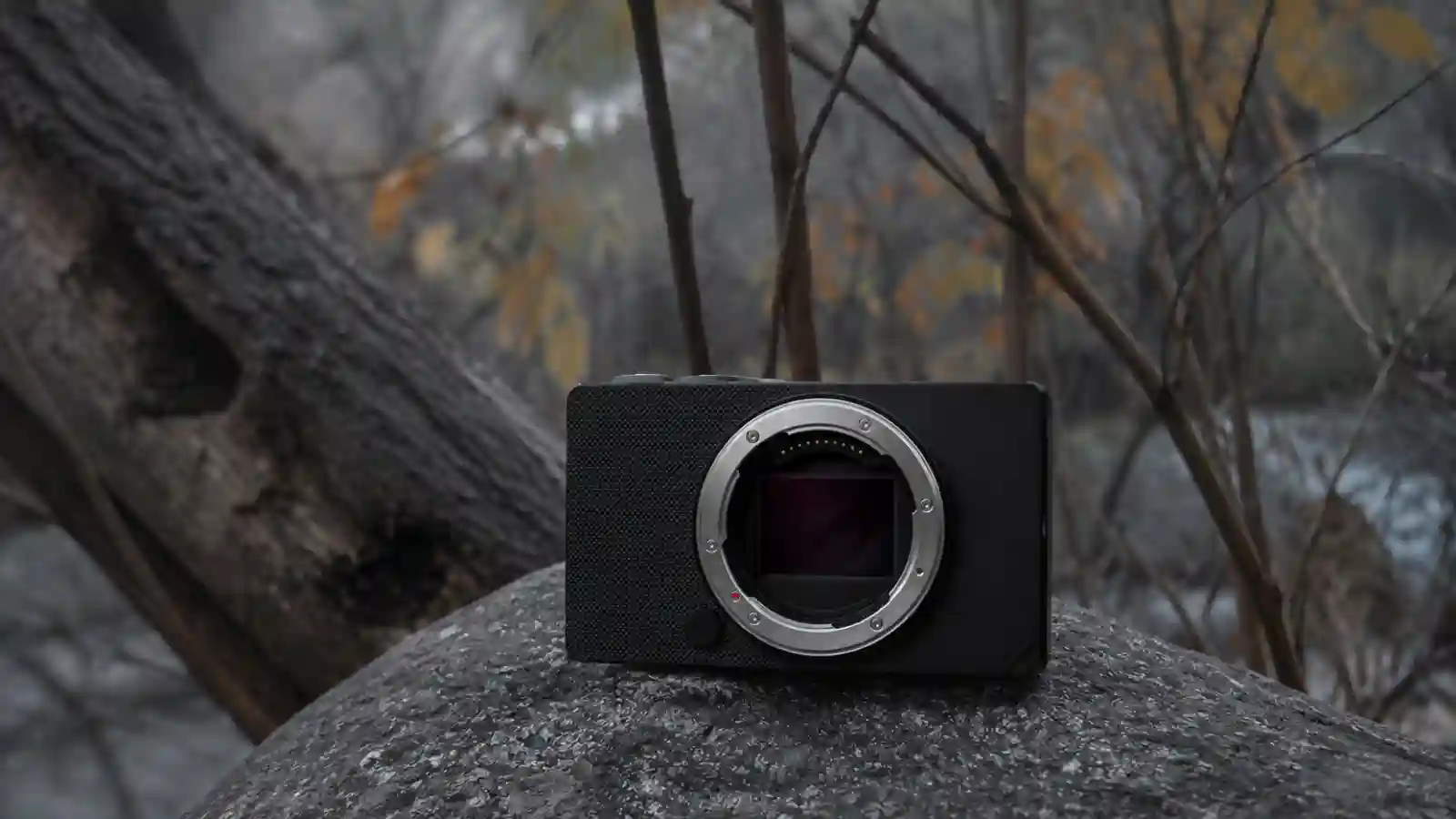
The Sigma BF makes the most sense when you pair it with small, clean-looking lenses. Because it uses the L-Mount, you get access to Sigma, Leica, Panasonic, and other L-Mount options. But for the BF’s minimalist body, compact prime lenses feel like the most natural match.
The Contemporary Prime Lineup: Best Matches for the BF
Sigma’s silver Contemporary primes are a strong fit for the BF. Lenses like the 24mm f/3.5, 35mm f/2, 45mm f/2.8, and 90mm f/2.8 keep the setup small, balanced, and visually clean.
For most people, the 45mm f/2.8 DG DN Contemporary in silver is the cleanest everyday match. It is compact, sharp, and gives a natural field of view for street, travel, lifestyle, and casual portraits.
The 35mm f/2 DG DN Contemporary in silver is the better choice if you want more low-light flexibility and softer background blur. It still keeps the kit compact, but the brighter aperture helps in indoor scenes and evening light.
Adapting Lenses: Expanding Your Options
The BF is not limited to native L-Mount lenses. With the Sigma MC-21 adapter, you can use compatible Sigma SA-mount or Canon EF-mount lenses on an L-Mount body. This is useful if you already own EF glass or want to explore more affordable used lenses.
Adapted-lens autofocus can vary by lens, so native L-Mount lenses are still the safer choice for the smoothest handling. But for slower shooting, adapted lenses can still be useful. Manual focus lenses can also be a fun match because the BF’s simple body suits a more tactile, intentional shooting style.
The Missing Native Silver Lenses
The silver BF looks best with matching silver lenses, but the silver L-Mount selection is still more limited than the full black lens lineup. You can still mix black lenses with the silver body, but the setup will look less uniform.
Expert Tip: If you plan to use mostly black L-Mount lenses, the black Sigma BF may give you a more cohesive-looking kit. But if you want the cleanest minimalist setup, the silver BF with Sigma’s silver Contemporary primes is the most natural match.
Simple Take: The Sigma BF works best with compact L-Mount primes, especially Sigma’s silver Contemporary lenses. The 45mm f/2.8 is the best everyday match, while the 35mm f/2 is better for low light and softer backgrounds.
Specifications Comparison Table
| Feature | Sigma BF | Sigma fp | Leica Q3 | Sony A7C II |
|---|---|---|---|---|
| Sensor | 24.6MP full-frame BSI CMOS | 24.6MP full-frame BSI CMOS | 60.3MP full-frame BSI CMOS | 33MP full-frame Exmor R CMOS |
| ISO Range | ISO 100–102400, with expanded low ISO options | ISO 100–25600, expandable to ISO 6–102400 | ISO 50–100000 | ISO 100–51200, expandable to ISO 50–204800 |
| Autofocus | Hybrid AF with face and eye detection | Contrast-detect AF, 49-point | Hybrid AF with phase and contrast detection | Hybrid AF with 759 phase-detection points |
| Continuous Shooting | Up to 5 fps | Up to 18 fps electronic | Up to 15 fps electronic | Up to 10 fps mechanical or electronic |
| Video | 6K, 4K, Full HD up to 120fps, HEVC, L-Log | 4K/30p, 1080/120p, 12-bit RAW external | 8K/30p, 4K/60p, 1080/120p | 4K/60p, 1080/120p, 10-bit 4:2:2 |
| Viewfinder | None, LCD only | None, optional EVF-11 | 5.76M-dot OLED EVF | 2.36M-dot OLED EVF |
| LCD | Fixed rear touchscreen | 3.15-inch 2.1M-dot fixed touchscreen | 3.0-inch 1.84M-dot tilting touchscreen | 3.0-inch 1.03M-dot vari-angle touchscreen |
| IBIS | No traditional IBIS | No | Yes, 5-axis | Yes, 5-axis |
| Storage | 230GB internal SSD | SD UHS-II | SD UHS-II | SD UHS-II |
| Battery Life | Approx. 260 shots | Approx. 280 shots | Approx. 350 shots | Approx. 530 shots |
| Weight | 446g body only | 422g body only | 743g body only | 514g body only |
| Dimensions | 130 × 73 × 47 mm | 113 × 70 × 45 mm | 130 × 80 × 93 mm | 124 × 71 × 60 mm |
| Price | $1,999 body only | $1,899 at launch | $5,995 | $2,198 body only |
Note: Prices and specifications can change by region, retailer, and firmware updates.
Pros and Cons Summary
The Sigma BF is a camera with a very clear personality. It is not built to win every spec comparison. Its real value comes from design, simplicity, portability, and the way it makes photography feel more intentional.
Main Strengths
- Beautiful unibody aluminum design that feels more refined than a typical camera body
- Compact and lightweight full-frame build, making it easy to carry for street, travel, and everyday photography
- Minimalist interface that encourages a slower, more mindful shooting style
- Excellent full-frame image quality with pleasing colour straight out of camera
- Built-in 230GB SSD, so you do not need to rely on memory cards
- USB-C charging and power delivery, which make it easier to keep shooting during longer days
- Strong Sigma Contemporary lens pairing, especially with compact silver primes that match the BF’s clean design
Trade-offs
These strengths come with a few trade-offs. The BF has no viewfinder, so bright sunlight can make framing harder. Its autofocus is better for portraits, travel, street, and slower subjects than fast action. Battery life also needs planning, but USB-C charging and a small power bank make it easier to manage.
The camera’s electronic-shutter-only design, limited native silver lens options, and simplified controls are also worth understanding before buying. Some experienced users may miss more direct controls, while others may enjoy the cleaner, slower shooting experience.
Conclusion: Should You Buy the Sigma BF?
The Sigma BF is not made for every photographer, and that is part of its charm. It is a design-first, minimalist full-frame camera for people who enjoy slower, more intentional photography.
It makes the most sense for street, travel, everyday photography, and personal creative projects. It can also work beautifully as a second body beside a more capable main camera.
You should buy the Sigma BF if you value compact size, premium design, simple controls, pleasing image quality, and a camera that feels different from typical hybrid bodies.
You should look elsewhere if you need fast autofocus tracking, a built-in viewfinder, long battery life, or advanced video tools. For sports, wildlife, serious vlogging, or professional hybrid work, the Sony A7C II will be the more practical choice.
Simple Take: The Sigma BF is not the most logical camera, but it may be the right one if you want a beautiful, compact full-frame camera that makes photography feel more focused and personal.
FAQs About Sigma BF
Is the Sigma BF a good camera?
The Sigma BF is a good camera for photographers who value minimalist design, compact size, full-frame image quality, and a more intentional shooting experience. It is especially strong for street, travel, lifestyle, and personal creative projects. However, photographers who need fast autofocus, a viewfinder, or advanced video features may prefer a more traditional hybrid camera.
What is the Sigma BF full-frame camera?
The Sigma BF is a minimalist full-frame mirrorless camera with a 24.6MP full-frame sensor, L-Mount compatibility, built-in 230GB SSD storage, USB-C charging, and a simplified control system. It is designed for photographers who want a compact camera focused on image quality and creative shooting.
Who is the Sigma BF best for?
The Sigma BF is best for street photographers, travel shooters, everyday photographers, and creatives who want a lightweight full-frame camera with premium design. It is also a good second camera for L-Mount users who want something smaller and more personal.
Does the Sigma BF have a viewfinder?
No, the Sigma BF does not have a built-in electronic viewfinder. It uses the rear touchscreen for framing, which keeps the body slim and minimalist but may take some adjustment for photographers who prefer shooting through an EVF.
Is Sigma BF waterproof?
No, the Sigma BF is not waterproof. It does not have full waterproof protection, so photographers should avoid heavy rain, water exposure, or harsh weather conditions unless additional protection is used.
How good is the Sigma BF autofocus?
The Sigma BF uses a hybrid autofocus system that works well for portraits, travel, street photography, and everyday shooting. It is less suited for fast-moving subjects like sports, wildlife, and action where advanced tracking autofocus is more important.
Sigma BF vs Sony A7C II: Which one should you buy?
The Sony A7C II is the more practical choice with stronger autofocus, a built-in viewfinder, in-body stabilization, and more overall flexibility. The Sigma BF is better for photographers who prioritize design, simplicity, compact size, and a slower creative shooting style.
What lenses work with the Sigma BF?
The Sigma BF uses the L-Mount, allowing compatibility with Sigma, Leica, Panasonic, and other L-Mount lenses. Compact Sigma Contemporary primes, such as the 45mm f/2.8 and 35mm f/2, are especially well matched with the BF’s minimalist design.
Is the Sigma BF good for video?
Yes, the Sigma BF can shoot high-quality video with features like 6K recording, 4K video, Full HD slow motion, and L-Log support. It is suitable for creative video, travel clips, and B-roll, but it is not designed as a dedicated vlogging or professional video camera.
About HZ Lens Lab
HZ Lens Lab is run by two sisters, Zainab and Humna Khursheed, who are passionate about photography, nature, and cameras. We create research-based guides and reviews using real user experiences.
Our goal is to help beginners, enthusiasts, and professionals make smart decisions when buying cameras and accessories.
We focus on honest advice, detailed comparisons, and actionable recommendations, so you can spend more time capturing great moments rather than guessing which gear to buy.
Review Methodology
At HZ Lens Lab, we select cameras based on real-world user feedback, research, and majority consensus. Every camera is evaluated for:
- Image quality – sharpness, color accuracy, low-light performance
- Autofocus – speed, tracking, and reliability for photos and video
- Ergonomics – handling, comfort, and practical use
- Lens ecosystem – available lenses, upgrade path, and versatility
- Value for money – cost vs features, and long-term usability
We study product specifications, expert opinions, buyer reviews, and repeated user feedback patterns to understand what most real users experience. We do not claim hands-on testing unless we have personally used the product.
We prioritize practical performance over just specs, so our recommendations help you choose a camera that truly fits your photography style and needs.
Other Posts
Fujifilm X-H2 Review 2026
Our Fujifilm X-H2 review covers image quality, autofocus, 8K video,...
Read More
Ricoh GR IV Review: Real-World Pros, Cons & Global User Feedback
Read our Ricoh GR IV review with key specs, pros,...
Read More