Learn how Nikon Z50 II Pre-Release Capture works, how to...
Read More
Ricoh GR IV Review 2026: Research-Based Buyer Guide
Last Updated: 14-June-2026 / Content written by Humna!
Chapters
The Ricoh GR series has always had a special place among street photographers, travelers, and people who simply want a serious camera they can carry every day.
In this guide, we are not only looking at the spec sheet. Specs matter, but they do not always show how a camera feels in real life. That is why this review focuses on user feedback, expert reviews, and common concerns photographers often discuss.
If you are thinking about buying the Ricoh GR IV, this article will help you understand where it shines, where it feels limited, and whether it actually fits your photography style.
Quick Verdict: Should You Buy the Ricoh GR IV?
- Best for: street, travel, documentary, everyday photography
- Avoid if: you need 4K video, zoom lens, EVF, tilting screen
- Main strengths: pocketable body, image quality, Snap Focus
- Main weakness: battery life, fixed lens, no 4K
Upgrade from GR III? Only if you need better battery, newer sensor, improved handling, or updated GR system support.
This review is based on photographer discussions, user feedback, expert opinions, official specifications, and publicly available information from photography communities and trusted publications. The goal is not to sell the Ricoh GR IV blindly, but to give a balanced view of its strengths, limitations, and real-world ownership experience.
Factors to Consider Before Buying the Ricoh GR IV
Before buying the Ricoh GR IV, think about how you actually shoot.
This camera makes the most sense if you want something small, fast, discreet, and focused mainly on still photography.
Its biggest strengths are portability, image quality, Snap Focus, and a simple shooting experience.
But you should also consider battery life, the fixed 28mm lens, limited video features, and whether upgrading from an older GR model is really worth the cost.
The right choice depends on your photography style, budget, and what you expect from a compact camera.
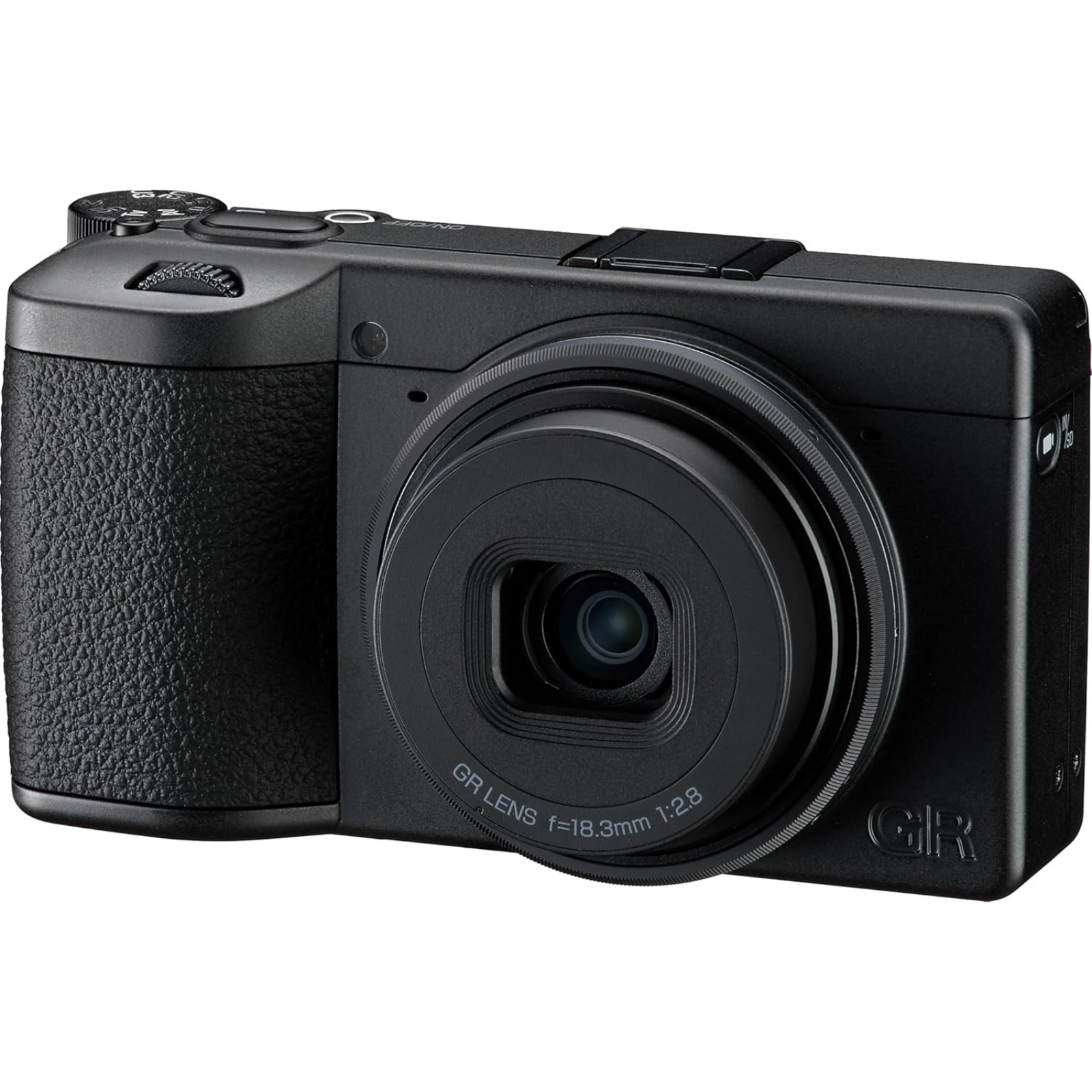
Ricoh GR IV
Understanding the Ricoh GR IV Through User Feedback
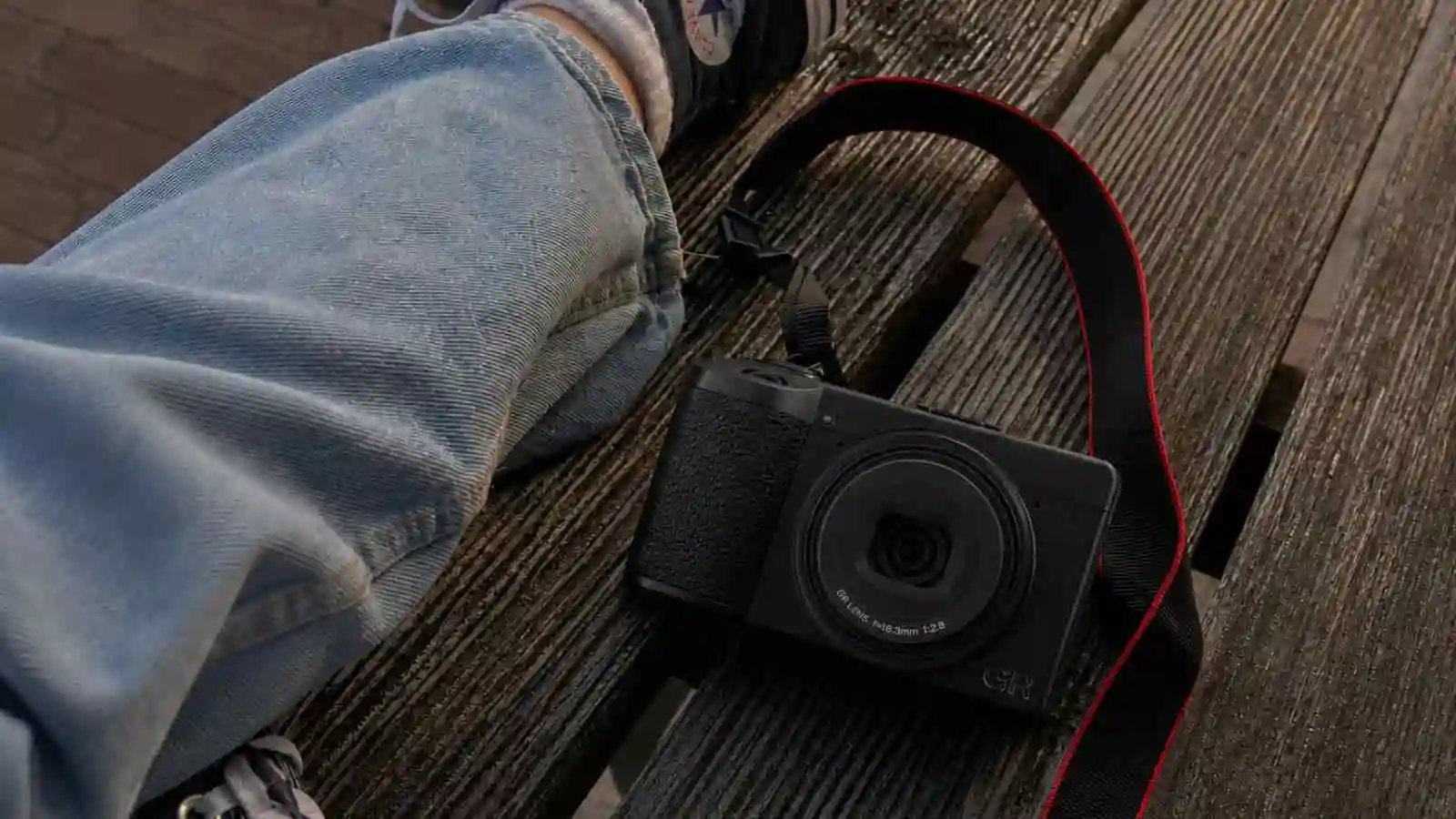
To understand the Ricoh GR IV properly, it helps to look beyond the launch hype. Real user feedback shows how the camera performs during street walks, travel days, low-light shooting, and everyday carry use.
Before diving deeper, here is a quick overview of what photographers are saying about the Ricoh GR IV.
Executive Summary: The At-a-Glance Verdict
The Ricoh GR IV is best understood as a photography-first compact camera. Users often praise its pocketable body, sharp image quality, fast handling, and Snap Focus system. These are the things that make the GR series special.
At the same time, it is not trying to be a perfect hybrid camera. Battery life is still something to watch, there is no 4K video, there is no built-in viewfinder, and the fixed rear LCD may not suit everyone.
Compared with cameras like the Fujifilm X100VI, the GR IV is less about extra features and more about carrying a capable camera everywhere. If that sounds like your style, it is worth considering.
Core Strengths
Based on common user feedback, the Ricoh GR IV is appreciated for a few clear reasons:
- Compact and discreet design: Many users like how easy it is to carry and how natural it feels for street and everyday shooting
- Color rendering: Ricoh’s color profiles are often praised, especially Positive Film, which gives JPEGs a classic and pleasing look.
- Easy handling: The simple controls and one-handed operation make the camera quick to use when a moment appears suddenly.
- Snap Focus system: This remains one of the biggest reasons many photographers choose a GR camera, especially for candid and street photography.
Core Weaknesses
While the Ricoh GR IV offers several strengths, photographer feedback and user reviews also highlight a few limitations worth considering:
- Battery life: Many users recommend carrying a spare DB-120 battery for longer shooting sessions.
- Video features: The lack of 4K video and advanced video tools may be limiting for hybrid creators.
- Display limitations: The fixed LCD and lack of a built-in viewfinder can make bright outdoor shooting less comfortable.
- Fixed lens: The 28mm equivalent lens is great for many scenes, but it may feel limiting if you often need zoom or tighter framing.
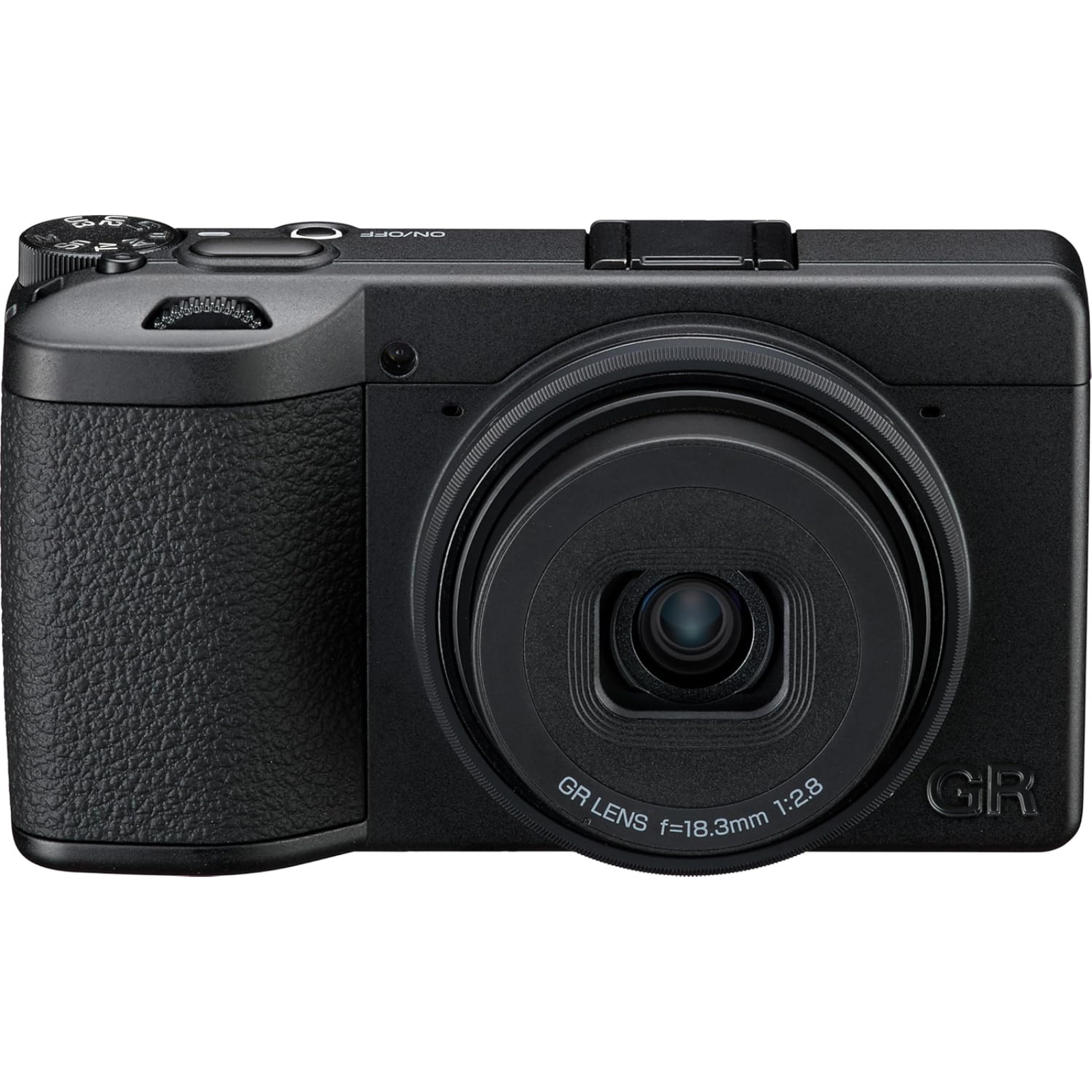
Ricoh GR IV
Who Should Buy the Ricoh GR IV?
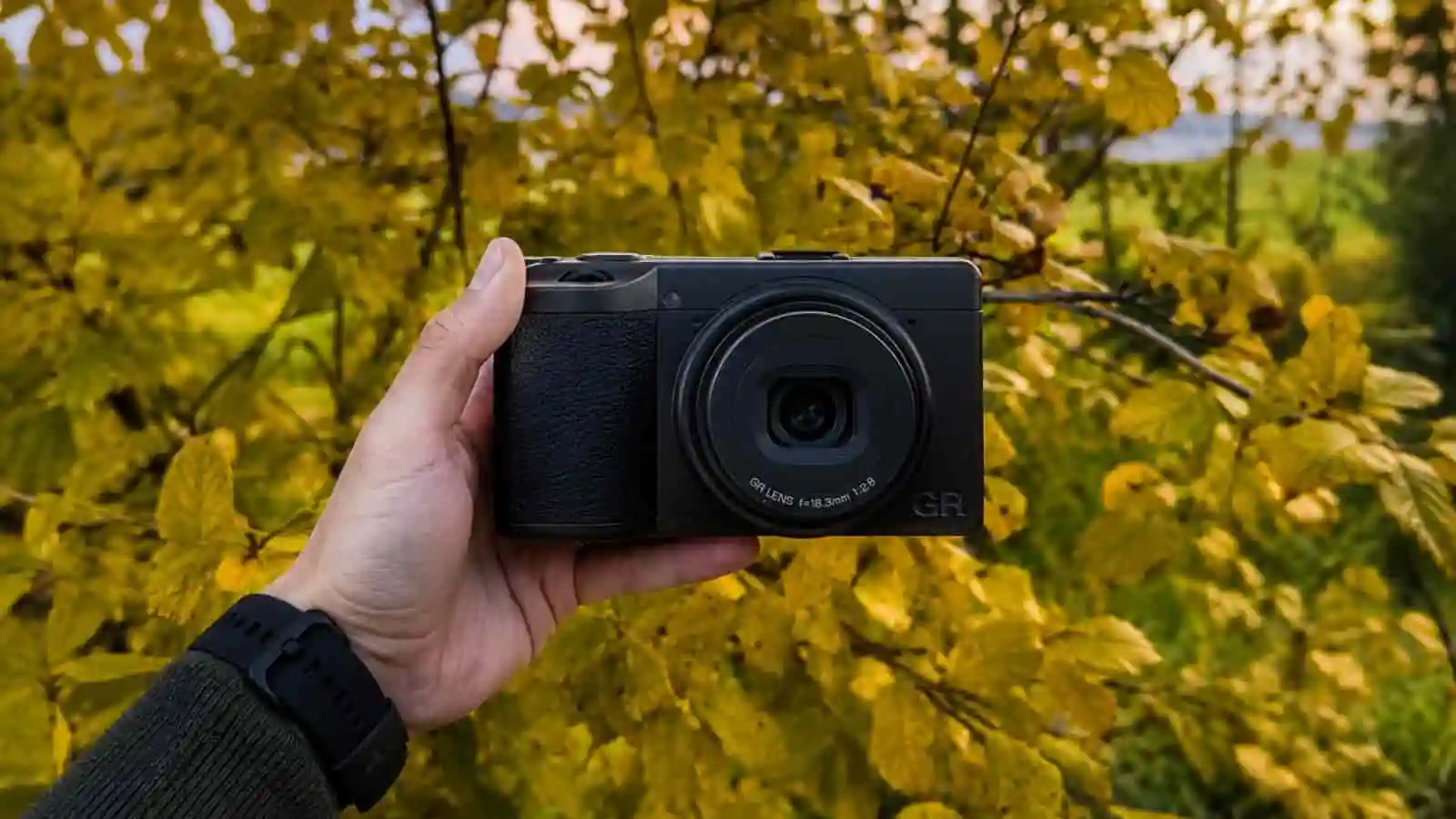
You will probably enjoy the Ricoh GR IV if:
- You enjoy street, travel, documentary, or everyday photography.
- You want a camera that is easy to carry almost anywhere.
- You like fast, simple shooting and do not want to rely on a big camera setup.
- You use zone focusing or want to learn Snap Focus.
- You want APS-C image quality in a truly compact body.
- You already own a GR III and are deciding whether the new refinements are worth it.
How This Review Was Created
This review was created by studying user feedback, photographer discussions, expert reviews, official specifications, and community opinions. Instead of relying on one opinion, we looked for patterns: what photographers repeatedly praise, what they often complain about, and where the Ricoh GR IV seems to fit best.
Why We Consider Multiple Sources
At HZ Lens Lab, our goal is to make camera reviews simple, honest, and useful for real buyers. This review is based on official specs, expert opinions, user feedback, and photographer discussions.
I love learning about new camera gadgets and modern photography tools. I also believe everyone should stay open to learning new technological solutions, because camera technology keeps improving every year.
This review is written to help readers understand the Ricoh GR IV clearly, including its real strengths, limitations, and whether it fits their photography style.
Specifications & Key Features Overview
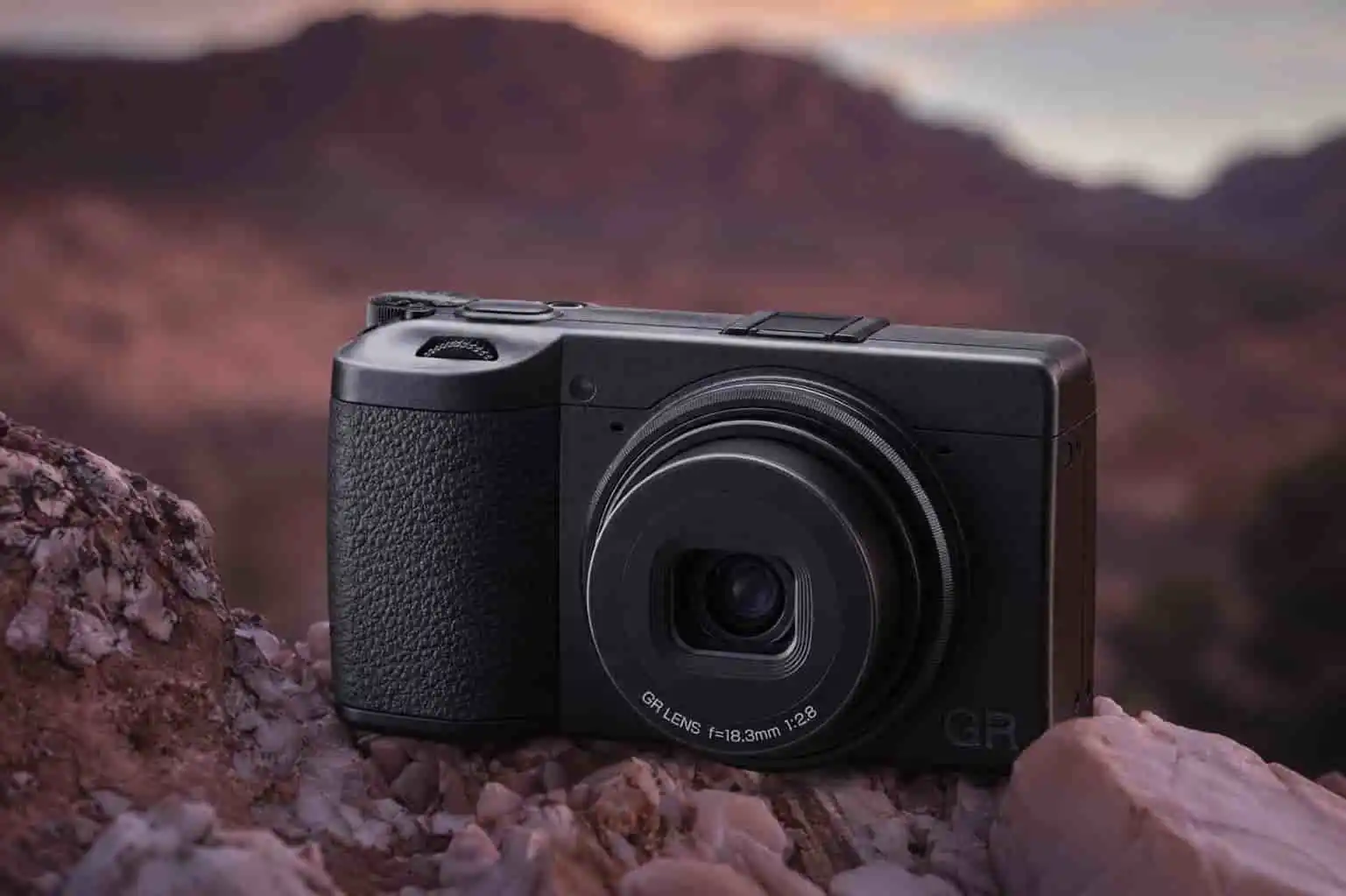
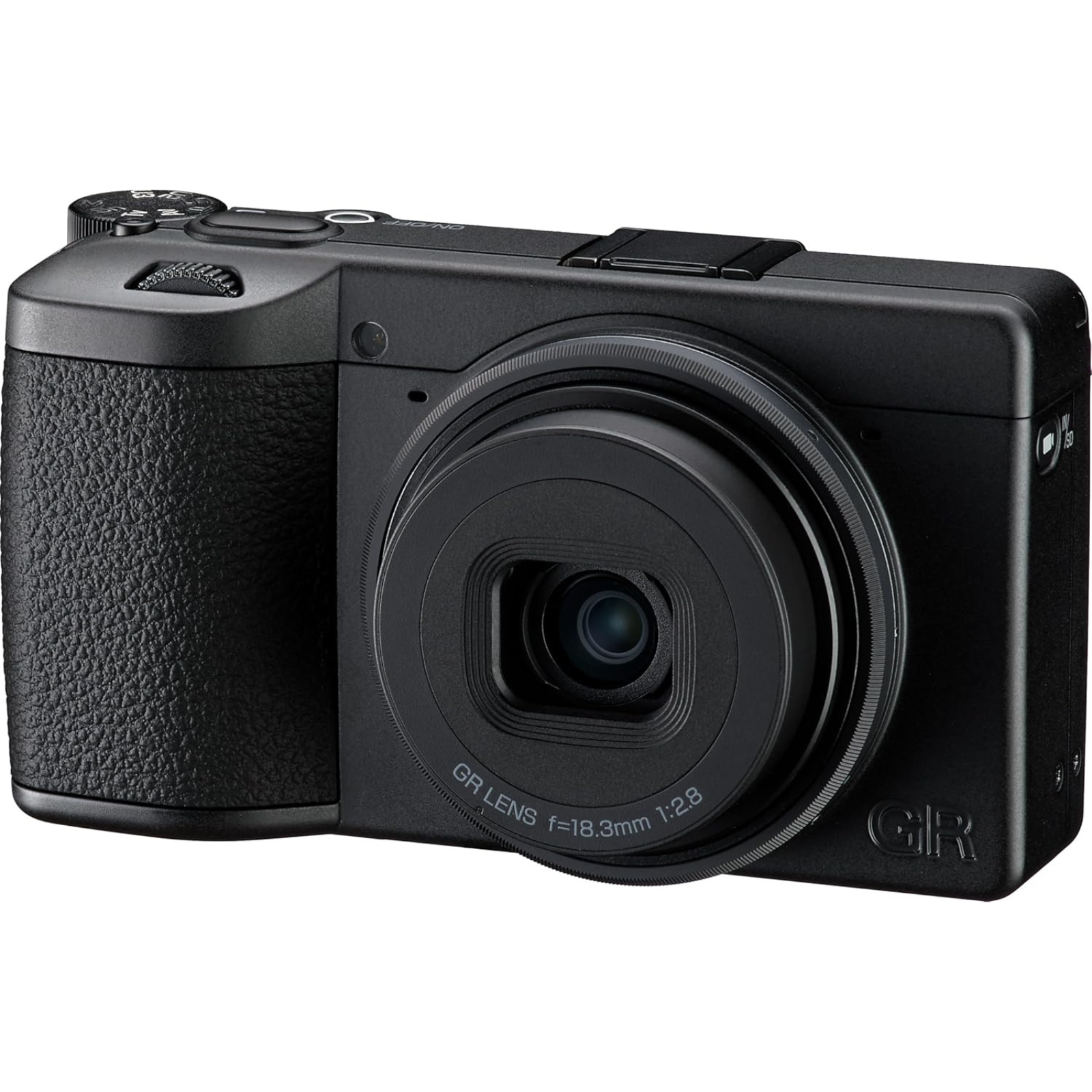
The Ricoh GR IV builds on the GR series’ compact design while introducing several updates and refinements. Here is a quick overview of its key specifications:
GR IV Technical Foundation at a Glance
- Approx. 25.74MP APS-C CMOS sensor
- 18.3mm F2.8 fixed lens, approx. 28mm full-frame equivalent
- 5-axis sensor-shift shake reduction
- 3.0-inch fixed touchscreen LCD
- No built-in electronic viewfinder
- Full HD video recording at 60p/30p/24p, but no 4K video
- DB-120 rechargeable battery
- Approx. 250 images per charge based on CIPA testing
- Approx. 262g with battery and memory card
- Approx. 53GB internal memory with microSD card support
Many photographers appreciate the Ricoh GR IV’s fixed 28mm equivalent lens and compact design, which help keep the camera lightweight and pocket-friendly.
Its small size remains one of the main reasons photographers continue to choose the GR series.
The 5-axis sensor-shift stabilization is a useful update for handheld shooting, especially when working at slower shutter speeds
Battery life is frequently mentioned in user reviews and community discussions. Many photographers recommend carrying a spare battery for longer shooting sessions.
Ricoh GR IV
What Changed (and What Stayed the Same) From the GR III
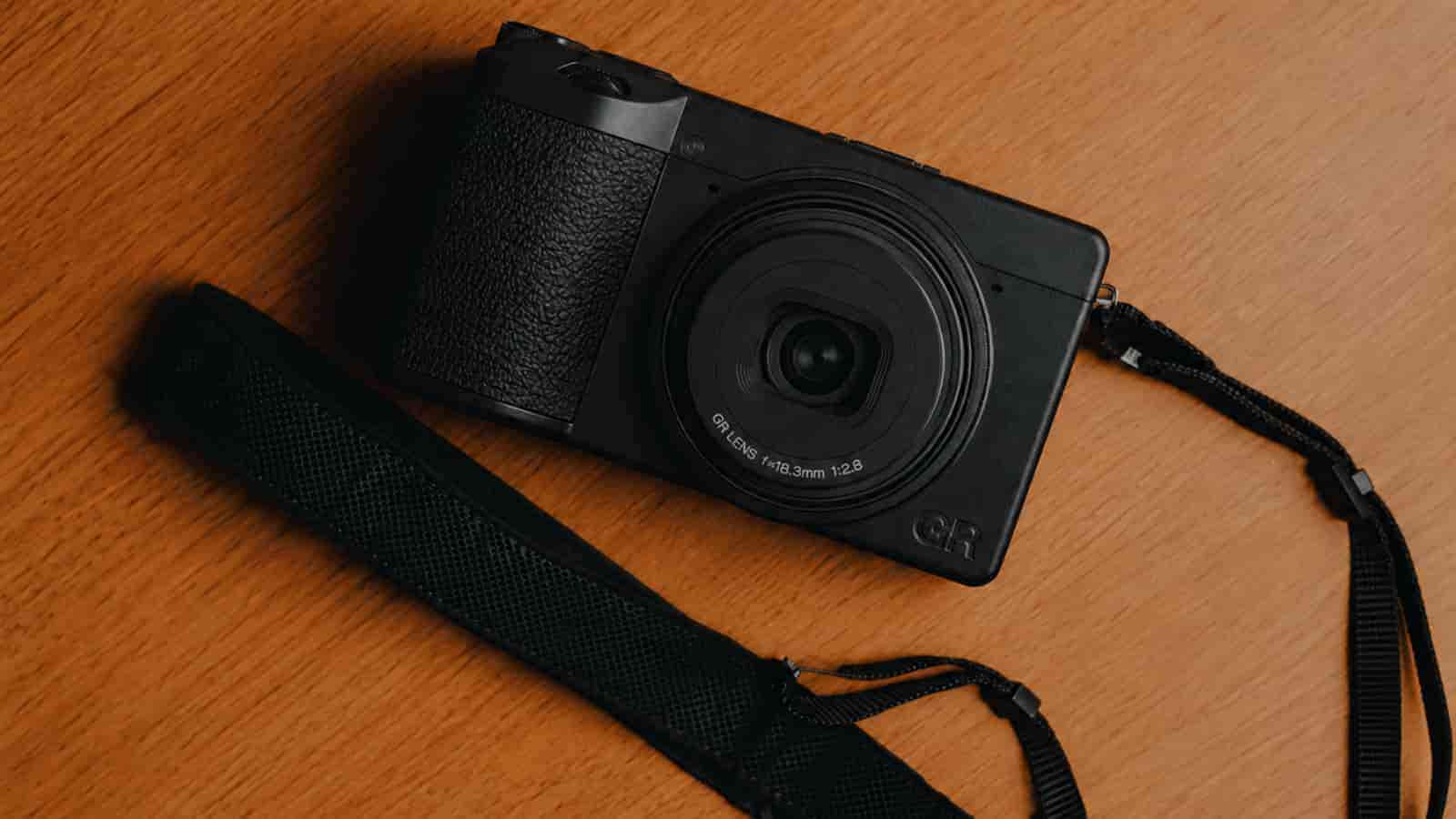
- The Ricoh GR IV introduces a 25.74MP APS-C sensor along with refinements aimed at improving overall image quality.
- Ricoh has updated the lens design, with improvements intended to enhance image quality while maintaining the familiar 18.3mm F2.8 lens (28mm equivalent).
- One of the most notable updates is 5-axis sensor-shift stabilization, which is a stronger improvement over the older GR III system.
Features That Remain Familiar
- The fixed 28mm equivalent shooting style remains central to the GR experience.
- The camera still does not include a built-in viewfinder.
- The rear screen remains fixed, not tilting or fully articulating.
- Video remains basic compared with hybrid cameras.
While the Ricoh GR IV introduces several useful updates, it continues to follow the same compact and photography-focused approach that has made the GR series popular.
The fixed 28mm equivalent lens, pocket-friendly design, and simple shooting experience remain central to the camera’s appeal.
Specifications only tell part of the story. Looking at user feedback can provide a better understanding of how these updates affect everyday photography.
GR IV Upgrade Calculator
Should You Upgrade From GR III to GR IV?
This calculator starts with our estimated pricing, but you can edit both price boxes below if GR IV price or GR III resale value changes in your market.
Default estimate: $2,196. Edit this if the new price changes.
Default estimate: $1,200. Edit this based on your camera condition.
GR IV Price Used
GR III Resale Used
Estimated Price Delta
Cost Per Improvement Point
Real-World Handling: Ergonomics, Portability & Discretion
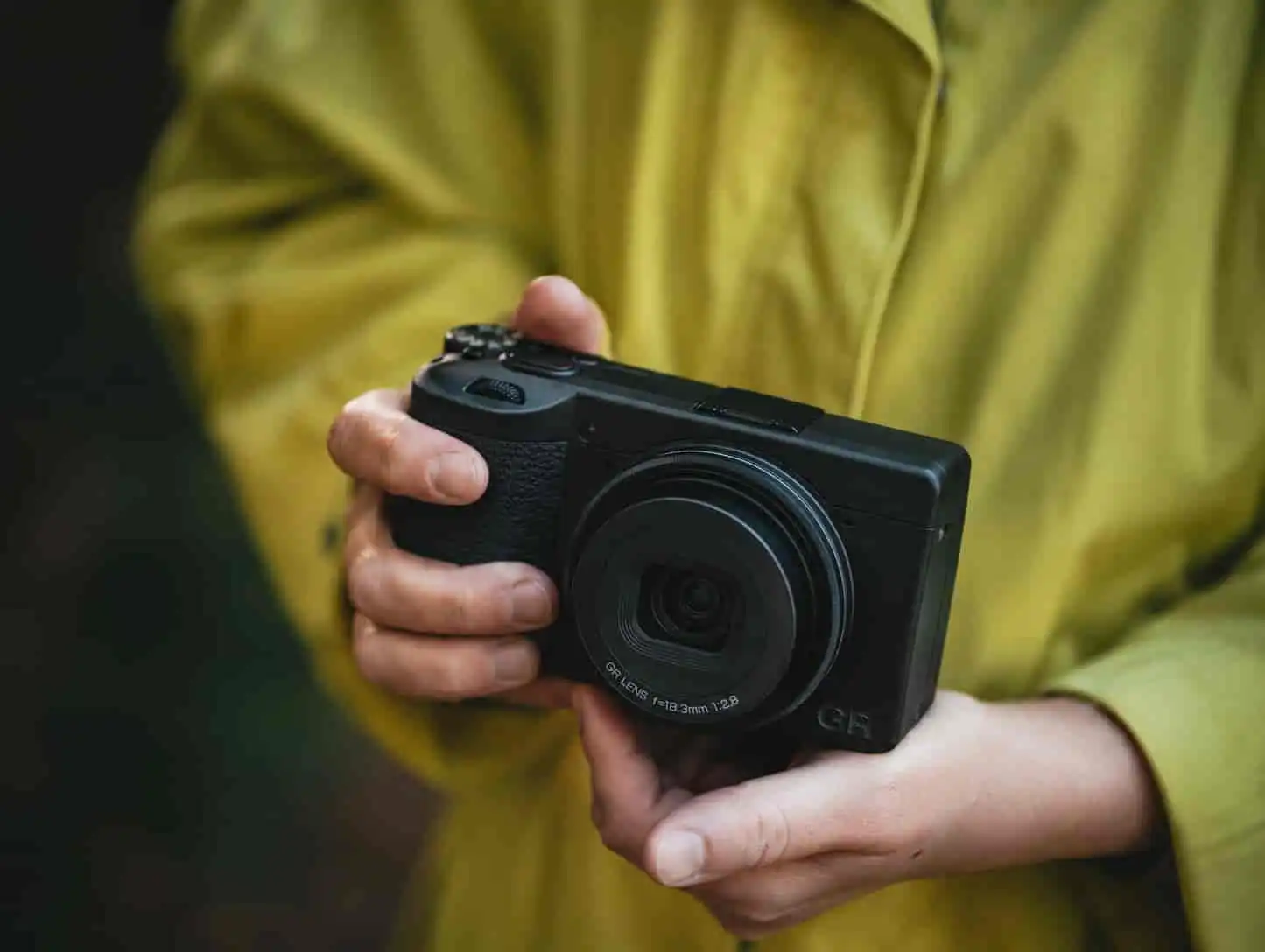
The Ricoh GR IV’s biggest advantage is simple: people actually want to carry it. Many compact cameras are technically small, but the GR series is known for feeling genuinely pocketable and ready for daily use.
Pocketability and One-Handed Operation
- The slim body makes the GR IV easy to carry in a jacket pocket or small everyday bag.
- Its discreet design is useful for street photography, travel, and candid moments.
- The controls are placed for quick access, so users can adjust settings quickly without fighting the camera.
- Snap Focus adds to the fast shooting experience, especially when a moment appears suddenly.
Overall, portability, discreet handling, and one-handed operation remain key reasons photographers choose the Ricoh GR series over larger cameras.
LCD Visibility in Bright Outdoor Conditions
- The Ricoh GR IV uses a 3.0-inch fixed touchscreen LCD.
- For normal use, it should feel clear enough, but bright sunlight can make screen composition harder.
- Increasing screen brightness or using the outdoor view setting can help.
- The optional GV-3 external viewfinder may also be useful, but it adds extra cost and reduces some pocketable convenience.
For everyday photography, most users should find the LCD usable, while outdoor shooters may need simple adjustments or accessories.
Quiet and Discreet Shooting
- Turn off the AF assist light for more discreet shooting.
- Disable operation sounds when shooting in quiet places.
- Reduce indicator lights where possible.
- Use Snap Focus to shoot quickly without waiting for autofocus.
Combined with its compact body and fixed lens, these settings can make the Ricoh GR IV a strong choice for street, travel, and everyday photography.
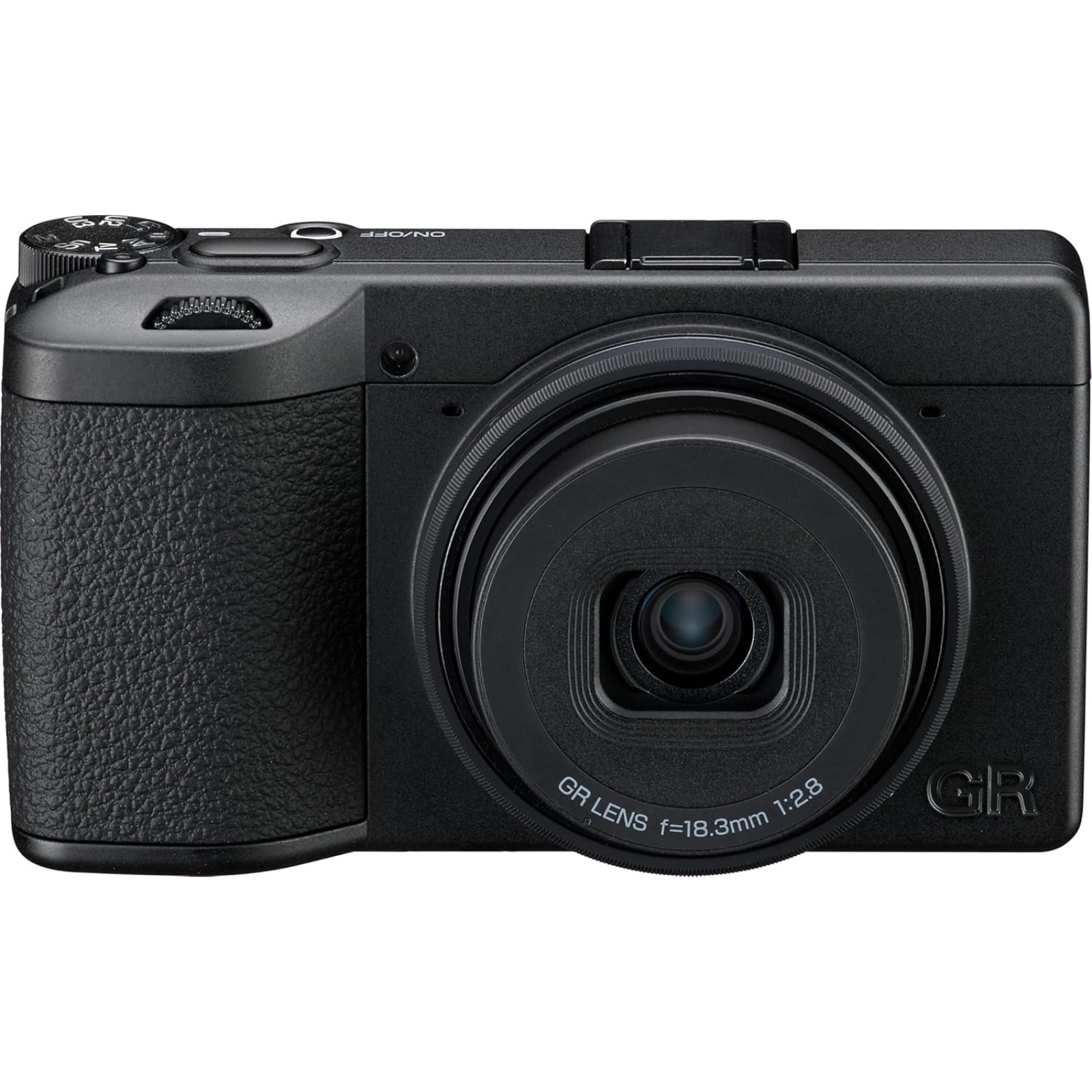
Ricoh GR IV
Image Quality, Color Science & ISO Performance
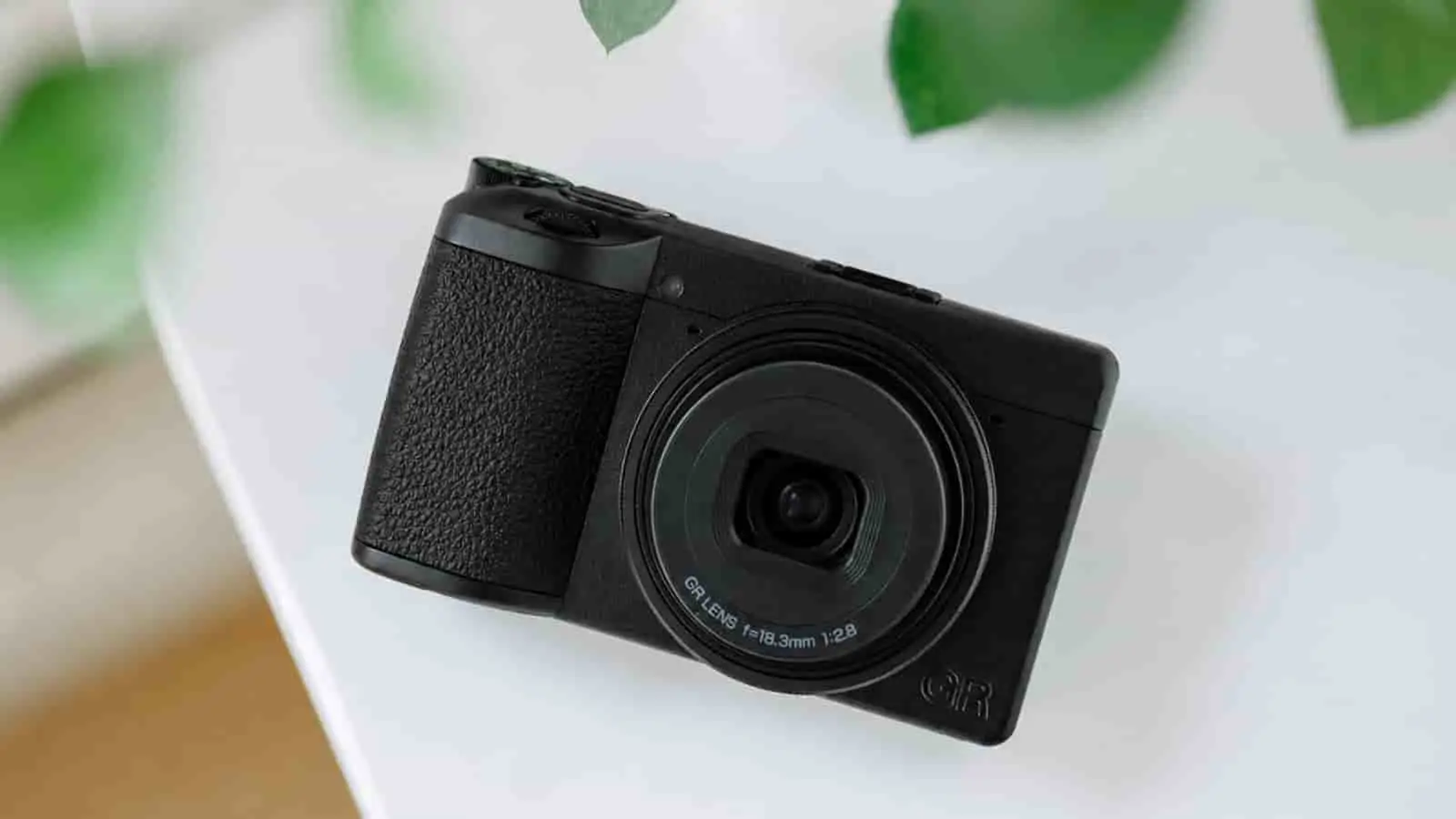
Image quality is one of the biggest reasons photographers are drawn to the Ricoh GR series. Even though the camera is small, users often praise the sharp lens, natural colors, and strong APS-C image quality.
Lens Sharpness and Color Rendering
- The fixed 28mm equivalent lens is wide enough for street, travel, and everyday photography.
- It helps capture scenes with context while still producing sharp and detailed images.
- Ricoh’s colour rendering is a big part of the GR experience, with natural-looking tones instead of an overly processed look.
- RAW files give more editing flexibility, while JPEG profiles are useful for photographers who want a ready-to-share image.
JPEG Profiles and Image Controls
The Ricoh GR series includes several image profiles that let photographers create different looks directly in-camera.
Positive Film is one of the most popular choices because it gives images a contrasty, classic look. Hi-Contrast Black & White is also popular among street photographers who enjoy monochrome images.
Highlight and Dynamic Range Performance
- For a compact APS-C camera, the GR IV should offer useful dynamic range, especially when shooting RAW.
- This helps in high-contrast scenes such as bright skies, dark streets, window light, and city environments.
- It is still better to protect important highlights while shooting.
- A safer approach is to avoid overexposure and recover shadow detail later when editing RAW files.
DNG + JPEG Support for Greater Flexibility
Shooting RAW + JPEG is one of the most practical ways to use the Ricoh GR IV. The JPEG gives you a ready-to-share image with Ricoh’s color profile, while the DNG RAW file gives you more room for editing exposure, color, highlights, and shadows later.
This is useful if you like the look of Positive Film or Hard B&W, but still want the safety of a RAW file for important shots
High ISO Performance and Low-Light Photography
- Based on common photographer feedback and published reviews, the Ricoh GR IV should deliver strong image quality for a pocketable APS-C camera.
- ISO 3200 is usually considered comfortable for everyday low-light photography, with good detail and manageable noise.
- ISO 6400 shows more visible noise, but many users may still find it usable for street, documentary, and black-and-white photography.
- RAW shooting and image stabilization can help improve low-light results.
- For fast-moving subjects in dark places, users may still need good technique, higher ISO settings, or Snap Focus.
When the Fixed 28mm Lens Works Best (and When It May Feel Limiting)
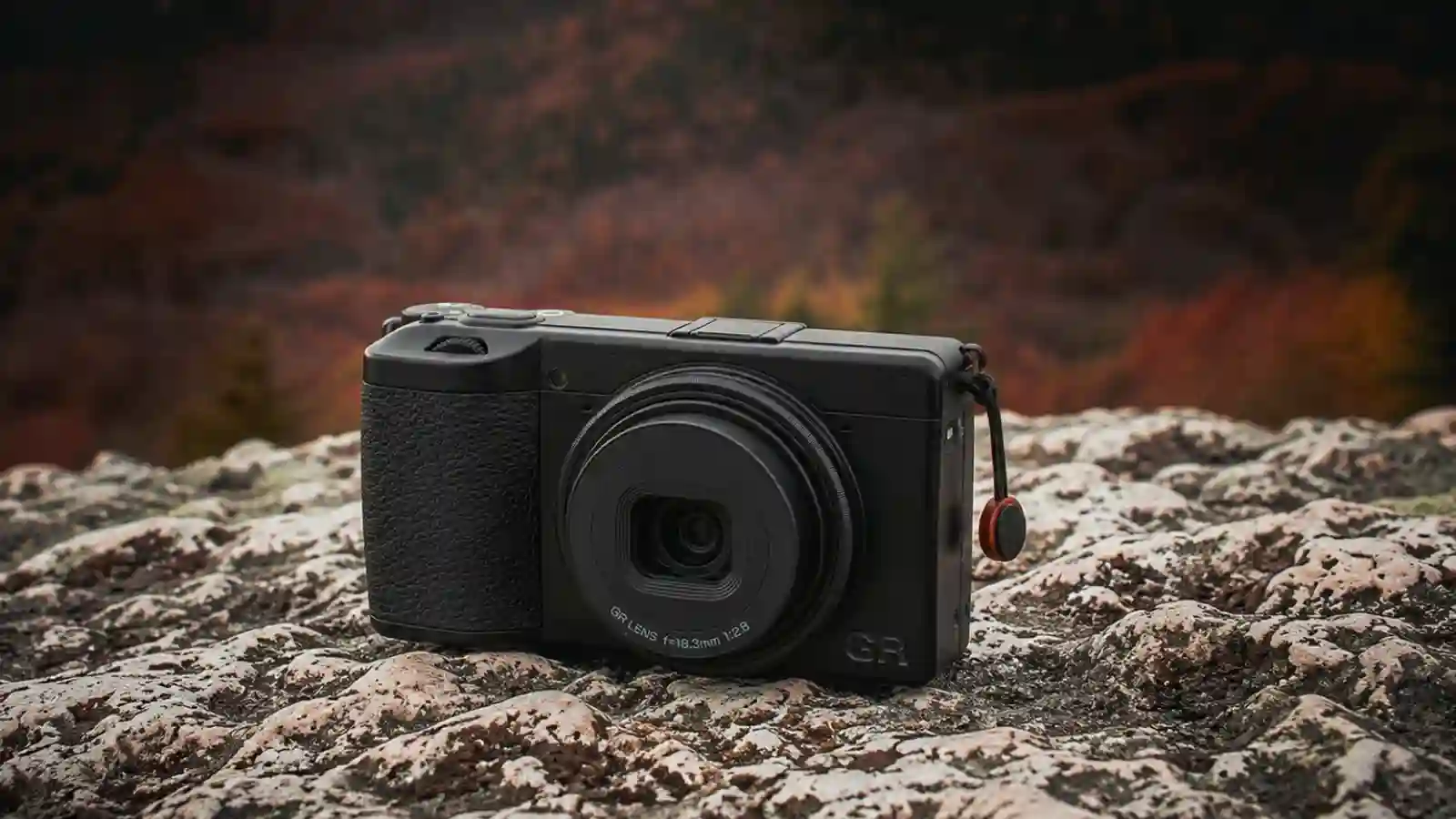
The fixed 28mm equivalent lens is both the biggest charm and one of the biggest limitations of the Ricoh GR IV. Some photographers love the simplicity. Others may miss the flexibility of a zoom lens
Situations Where the 28mm Lens Works Well
- Street photography: Wide enough to capture people, background, and atmosphere together.
- Travel photography: Useful for streets, landmarks, food, markets, and daily travel moments.
- Environmental portraits: Good when you want the subject and surroundings in the same frame.
- Tight spaces: Helpful in small rooms, markets, cafes, and crowded streets.
Situations Where It May Feel Limiting
- Traditional Portraits: Some photographers prefer longer focal lengths for tighter portraits because they can produce a more natural perspective.
- Distant Subjects: The fixed lens may feel restrictive for photographers who frequently photograph subjects from a distance.
- Telephoto Photography: Users who regularly photograph wildlife, sports, or faraway subjects may prefer a camera with zoom capabilities or interchangeable lenses.
For everyday or travel photography, however, the 28mm lens continues to be one of the main reasons many photographers choose the Ricoh GR series.
If you often say, ‘I wish I could zoom in,’ the GR IV may frustrate you.
In that case, you may want to explore our best camera for photography guide, where we cover more flexible camera options for different photography needs.
Ricoh GR IV
Autofocus, Snap Focus & Low-Light Performance
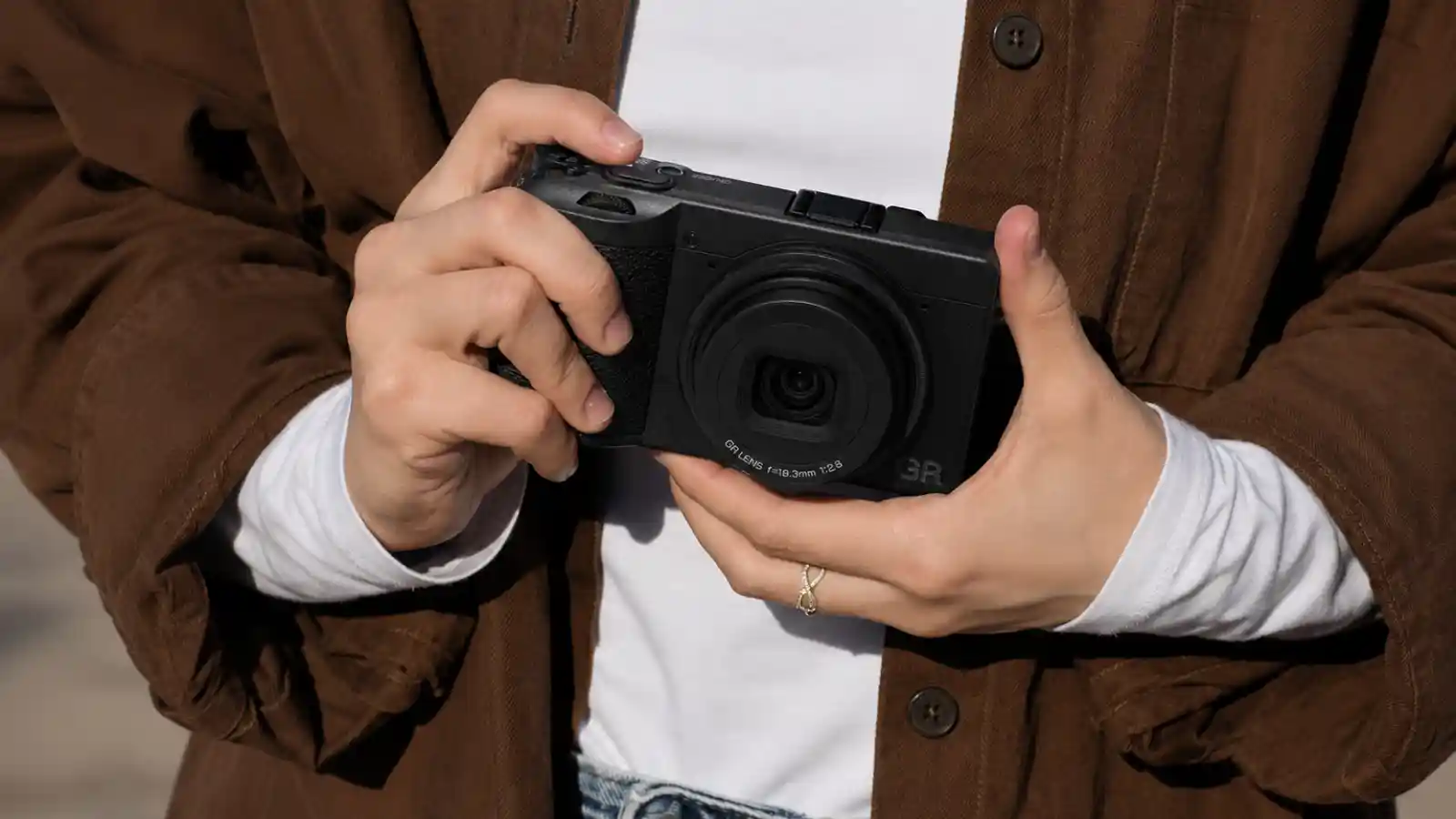
Autofocus is an area where expectations matter. The Ricoh GR IV is not designed mainly for sports, wildlife, or heavy subject tracking. It works best as a fast everyday, street, travel, and documentary camera.
In good lighting, photographers generally find the focusing quick and reliable for daily photography.
Autofocus Performance in Low Light
- In darker environments, the Ricoh GR IV may take slightly longer to lock focus compared to bright outdoor conditions.
- The AF assist light can help improve focusing accuracy in low light.
- For candid street photography, some users may prefer turning the AF assist light off to stay more discreet.
- Overall, autofocus is useful, but it may feel less consistent in challenging light.
Snap Focus Remains a Key Advantage
- Snap Focus is one of the most praised features of the GR series.
- It helps capture moments quickly without waiting for autofocus confirmation.
- This makes it especially useful for street, candid, travel, and documentary photography.
- Even when autofocus slows down in low light, Snap Focus keeps the camera fast and responsive.
Snap Focus and Zone Focusing
One of the most popular features of the Ricoh GR series is Snap Focus. Based on photographer feedback many photographers consider it one of the main reasons to choose a GR camera over other compact alternatives.
Some commonly used Snap Focus distances include:
- 1m to 1.5m: Useful for closer candid moments.
- 2m to 2.5m: Good for everyday street shooting.
- 3.5m to 5m: Useful for wider scenes and subjects farther away.
- Infinity: Helpful for distant scenes and landscapes.
Many street photographers value this system because it helps capture fast-moving moments more consistently than relying only on autofocus.
Touchscreen Features and Usability
- The touchscreen is useful for selecting focus points, reviewing images, and navigating settings.
- It adds convenience without changing the simple GR shooting experience.
- For street photography, many users may still prefer physical buttons because they are faster to use without looking.
- Overall, the touchscreen is helpful, but it does not replace the camera’s strong button-based handling.
Ricoh GR IV
Long-Term Reliability & Ownership Experience
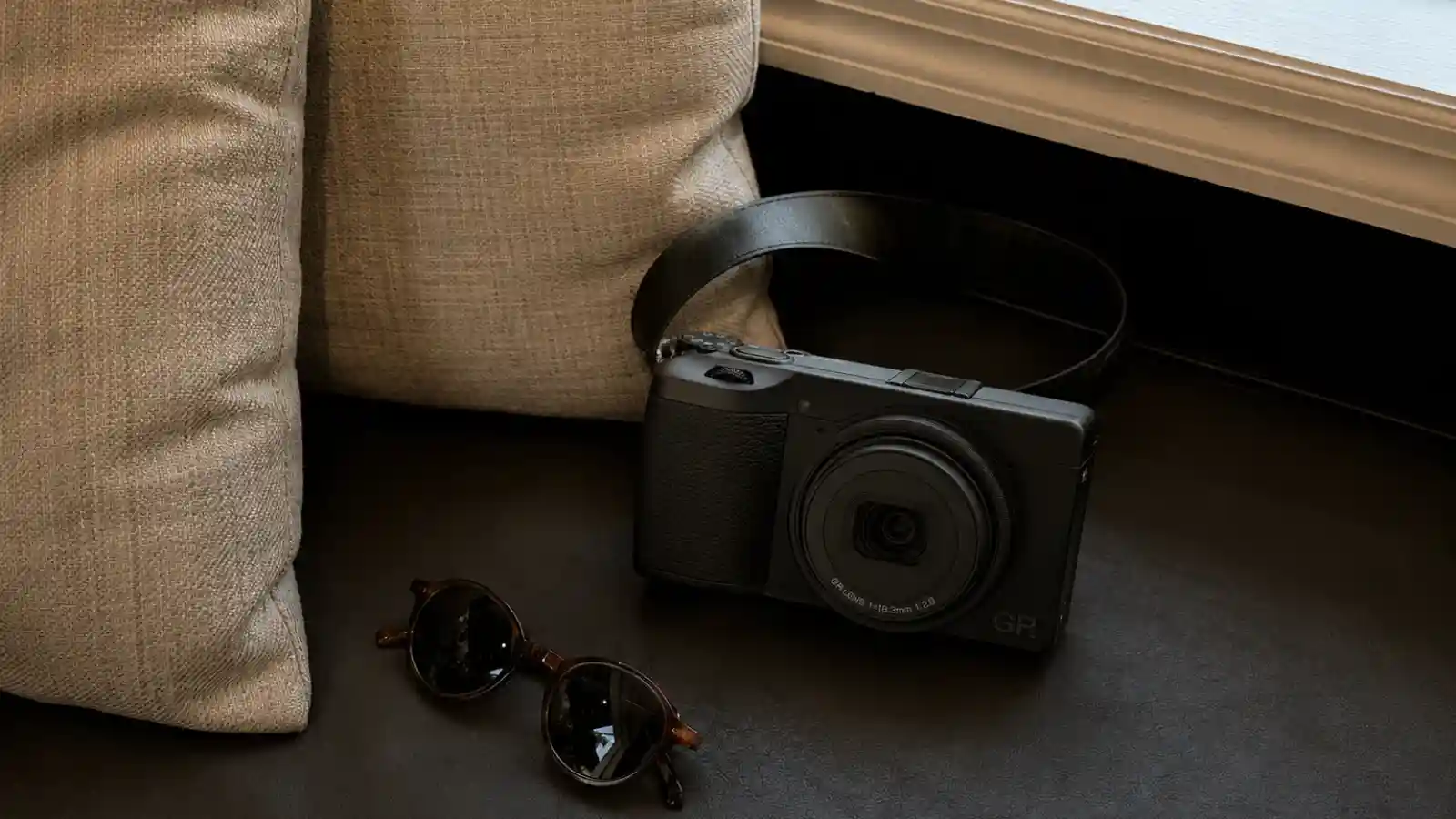
Long-term ownership is where compact cameras often reveal their real strengths and weaknesses. With the GR series, users usually love the portability and image quality, but they also talk about practical concerns like dust protection, battery life, and everyday wear.
Long-Term Feedback: Dust Protection and Everyday Use
- Because the GR IV uses a retractable lens design, some users pay attention to dust protection. This does not mean every camera will have dust problems, but it is a concern many GR owners discuss.
- A simple habit can help: keep the camera in a clean pocket, use a small pouch when needed, and consider a protective filter setup if you shoot in dusty environments.
Battery Life in Real-World Use
- Battery life can vary based on screen brightness, wireless use, image review, and shooting habits.
- For casual everyday photography, one battery may be enough for many users.
- For travel, long walks, or full-day street photography, carrying a spare DB-120 battery is strongly recommended.
- Battery life is not the GR IV’s strongest point, but for many photographers, its portability and image quality make this compromise easier to accept.
Commonly Recommended Accessories
Based on common GR ownership advice, these accessories are worth considering:
Firmware Updates and Long-Term Software Support
- Firmware support is another part of the ownership experience. Ricoh has released firmware updates for GR cameras in the past, and many long-term users see this as a positive sign for the system.
- As with many modern cameras, early software can sometimes receive refinements after launch.
- Keeping the camera updated is a good habit because firmware updates may improve stability, performance, or features over time.
- Many long-term GR users view ongoing firmware support as a positive aspect of the system, as it helps improve the overall ownership experience beyond the initial purchase.
Ricoh GR IV Pros and Cons
The Ricoh GR IV gets a lot of praise for portability, image quality, and its unique shooting experience. But like every camera, it also comes with trade-offs. Here is the simple version.
Pros
- Pocketable design
- Strong image quality
- Positive Film profile
- One-handed operation
- Snap Focus
- Simple shooting experience
Cons
- Battery life is not class-leading
- No 4K video
- No built-in viewfinder
- Fixed 28mm lens is not ideal
Ricoh GR IV
Video Features and Hybrid Shooting Considerations
The Ricoh GR IV is mainly a still photography camera. It can record Full HD video, but it does not offer 4K recording or the advanced video tools many hybrid creators expect.
Ricoh’s official specs list Full HD 1920×1080 recording at 60p, 30p, and 24p.
So if video is a major part of your work, the GR IV is probably not the best choice.
But if you mainly care about still photography, portability, image quality, and quick handling, its photography-first design is part of the appeal.
How Different Photographers May Use the Ricoh GR IV
The Ricoh GR IV can fit different shooting styles, but it is especially suited to photographers who like moving through real environments with a small camera.
In busy streets, its small size and quick operation are helpful. For travel, its pocketable body makes it easier to carry all day.
For documentary-style photography, the fixed 28mm lens encourages you to include more of the scene instead of only isolating the subject.
The GR IV works best when you are comfortable moving closer to your subject instead of zooming in.
Comparative Analysis: GR IV vs. Predecessor & Key Rivals
Comparing the Ricoh GR IV with the GR III, Fujifilm X100VI, and Sony RX100 VII can help buyers understand what kind of camera they actually need.
Specs matter, but real-world use matters too: size, lens style, autofocus, video needs, and portability all affect the final decision.
| Feature | Ricoh GR IV | Ricoh GR III | Fujifilm X100VI | Sony RX100 VII |
|---|---|---|---|---|
| Sensor Resolution | 25.74 MP APS-C | 24.2 MP APS-C | 40.2 MP APS-C X-Trans V | 20.1 MP 1-inch stacked |
| Equivalent Lens | 28mm F2.8 fixed | 28mm F2.8 fixed | 35mm F2 fixed | 24-200mm F2.8-4.5 zoom |
| In-Body Stabilization | 5-axis | 3-axis | 5-axis | Optical SteadyShot lens-based |
| Built-in Viewfinder | No, optional optical | No, optional optical | Hybrid OVF / EVF | Pop-up EVF |
| Rear Screen | 3-inch fixed touchscreen | 3-inch fixed touchscreen | 3-inch tilting touchscreen | 3-inch tilting touchscreen |
| Weight Body Only | Approx. 262g | Approx. 257g | Approx. 521g | Approx. 302g |
| Max Video Resolution | 1080p, no 4K | 1080p, no 4K | 4K 60p | 4K 30p |
| Battery CIPA Approx. | DB-120, around 250 shots | DB-110, around 200 shots | NP-W126S, around 450 shots | NP-BX1, around 260 shots |
| Built-in ND Filter | Yes, 3-stop | Yes, 2-stop | Yes, 4-stop | No |
| Lens Hood / Filter | Optional adapter required | Optional adapter required | Integrated hood ring | Fixed hood design |
| Typical Street Price | Approx. $1,100 USD | Approx. $900 USD | Approx. $1,600 USD | Approx. $1,300 USD |
MOBILE TRANSFER AND EDITING WORKFLOW :
- The Ricoh Image Sync app is generally easy to pair via Bluetooth.
- JPEG transfers are generally reliable for quickly sharing images to a smartphone or tablet.
- Many photographers prefer transferring DNG files via USB-C to a tablet or laptop for a faster and more dependable workflow.
- Adobe Lightroom and Capture One are commonly used by photographers for editing and processing the GR IV’s DNG files.
- Lightroom Mobile on an iPad with a USB-C connection is often mentioned as a convenient portable editing setup for photographers who want to work while traveling.
- Bluetooth works well for transferring a few images, while Wi-Fi generally offers faster transfer speeds.
- Many photographers still prefer a wired connection when moving large batches of files.
Understanding the accessory ecosystem and file-transfer workflow helps provide a clearer picture of the overall ownership experience.
FAQs About Ricoh GR IV
Is the Ricoh GR IV good for street photography?
Yes. The Ricoh GR IV is well suited to street photography because it is compact, discreet, quick to use, and built around the Snap Focus shooting style. Its fixed 28mm equivalent lens also works well for capturing people, streets, and surroundings together
What makes the Ricoh GR IV different from other compact cameras?
The GR IV combines an APS-C sensor, a fixed 28mm equivalent lens, a pocketable body, and Snap Focus. Many compact cameras offer zoom or stronger video features, but the GR IV focuses more on still photography, speed, and everyday carry.
What is Snap Focus on the Ricoh GR IV?
Snap Focus lets you preset a focus distance so the camera can capture a shot quickly without waiting for normal autofocus. This is especially useful for street, candid, and documentary photography
Is the Ricoh GR IV beginner-friendly?
Yes, but it depends on the beginner. A new photographer can use automatic modes, but the fixed 28mm lens and Snap Focus style may take time to understand. It is beginner-friendly for someone who wants to learn photography, not just point and zoom.
Does the Ricoh GR IV shoot RAW photos?
Yes. The Ricoh GR IV supports RAW/DNG and JPEG files, so users can edit RAW images later while still keeping JPEGs for quick sharing. Ricoh officially lists RAW/DNG and JPEG as still-image formats.
What type of photography is the Ricoh GR IV best for?
The Ricoh GR IV is best for street photography, travel photography, documentary work, everyday carry, lifestyle images, and quick personal photography. It is less ideal for sports, wildlife, distant subjects, or serious video work.
Does the Ricoh GR IV have good image quality?
Yes. The GR IV uses an APS-C sensor and fixed 28mm equivalent lens, which help it deliver strong image quality in a small body. Its RAW files also give photographers flexibility for editing.
Who should buy the Ricoh GR IV?
The GR IV is best for photographers who want a small, serious, carry-anywhere camera for still photography. It is especially suitable for people who value portability, image quality, quick handling, and the Snap Focus workflow.
Final Verdict
The Ricoh GR IV is not trying to be everything for everyone, and that is exactly why many photographers like it. It is small, quick, discreet, and focused on still photography.
Its biggest strengths are portability, image quality, one-handed handling, and Snap Focus. Its biggest limitations are battery life, no 4K video, no built-in viewfinder, fixed LCD, and the fixed 28mm equivalent lens.
So, is the Ricoh GR IV worth buying? For street, travel, documentary, and everyday photography, yes, it is worth considering.
But for video creators, zoom lovers, or photographers who need a more flexible all-round camera, another option may make more sense.
About HZ Lens Lab
HZ Lens Lab is run by two sisters, Zainab and Humna Khursheed, who are passionate about photography, nature, and cameras. We create research-based guides and reviews using real user experiences.
Our goal is to help beginners, enthusiasts, and professionals make smart decisions when buying cameras and accessories.
We focus on honest advice, detailed comparisons, and actionable recommendations, so you can spend more time capturing great moments rather than guessing which gear to buy.
Review Methodology
At HZ Lens Lab, we select cameras based on real-world user feedback, research, and majority consensus. Every camera is evaluated for:
- Image quality – sharpness, color accuracy, low-light performance
- Autofocus – speed, tracking, and reliability for photos and video
- Ergonomics – handling, comfort, and practical use
- Lens ecosystem – available lenses, upgrade path, and versatility
- Value for money – cost vs features, and long-term usability
We study product specifications, expert opinions, buyer reviews, and repeated user feedback patterns to understand what most real users experience. We do not claim hands-on testing unless we have personally used the product.
We prioritize practical performance over just specs, so our recommendations help you choose a camera that truly fits your photography style and needs.
Other Posts
Sigma BF – Review
Read our Sigma BF review for owner feedback, pros, cons,...
Read More
Nikon Z6III vs Z8
Compare Nikon Z6III vs Z8 for image quality, autofocus, video,...
Read More
Fujifilm X-H2 Review 2026
Our Fujifilm X-H2 review covers image quality, autofocus, 8K video,...
Read More
```html
```