Learn how Nikon Z50 II Pre-Release Capture works, how to...
Read More
Best Nikon Z Camera for Photography in 2026: A Genre-First Buyer's Guide for Every Budget
Last Updated: 19-June-2026 / Content written by Zainab!
Chapters
How We Picked These Nikon Z Cameras: We ranked these Nikon Z cameras by real photography needs, not just specs. The goal is to help you choose the body that fits your shooting style, budget, lenses, and long-term use.
Our picks are based on Nikon’s official details, autofocus and sensor performance, firmware support, expert reviews, buyer feedback, and total system cost. HZ Lens Lab does not claim personal lab testing for every camera; this guide is research-based and written to help you buy with confidence.
Choosing the best Nikon Z camera in 2026 is not just about specs.
The Z8 may be the strongest all-rounder. The Z6 III may offer the best balance for most users. The Z9 is Nikon’s flagship, but it is not the right choice for every photographer.
So the real question is simple:
Which Nikon Z camera fits your photography style?
Wildlife shooters need strong autofocus and speed. Wedding photographers need low-light confidence. Landscape photographers need detail and dynamic range. Travel users need a camera that feels good for all-day carry.
In this guide, we rank the Nikon Z8, Z6 III, Z9, Zf, Z7 II, and Z50 II by real photography needs, not just hype or spec sheets.
By the end, you should know which Nikon Z camera is worth your money, your lenses, and your next few years of photography.
Still comparing Nikon with other brands? Read our full guide to the best camera for photography before you decide.
At a Glance: The Right Nikon Z for Your Photography
If you already know what you shoot most, start here. This quick table gives you the simple answer before we go deeper into each camera.
Nikon Z8 | Nikon Z6 III | Nikon Z9 | Nikon Zf | Nikon Z7 II | Nikon Z50 II |
|---|---|---|---|---|---|
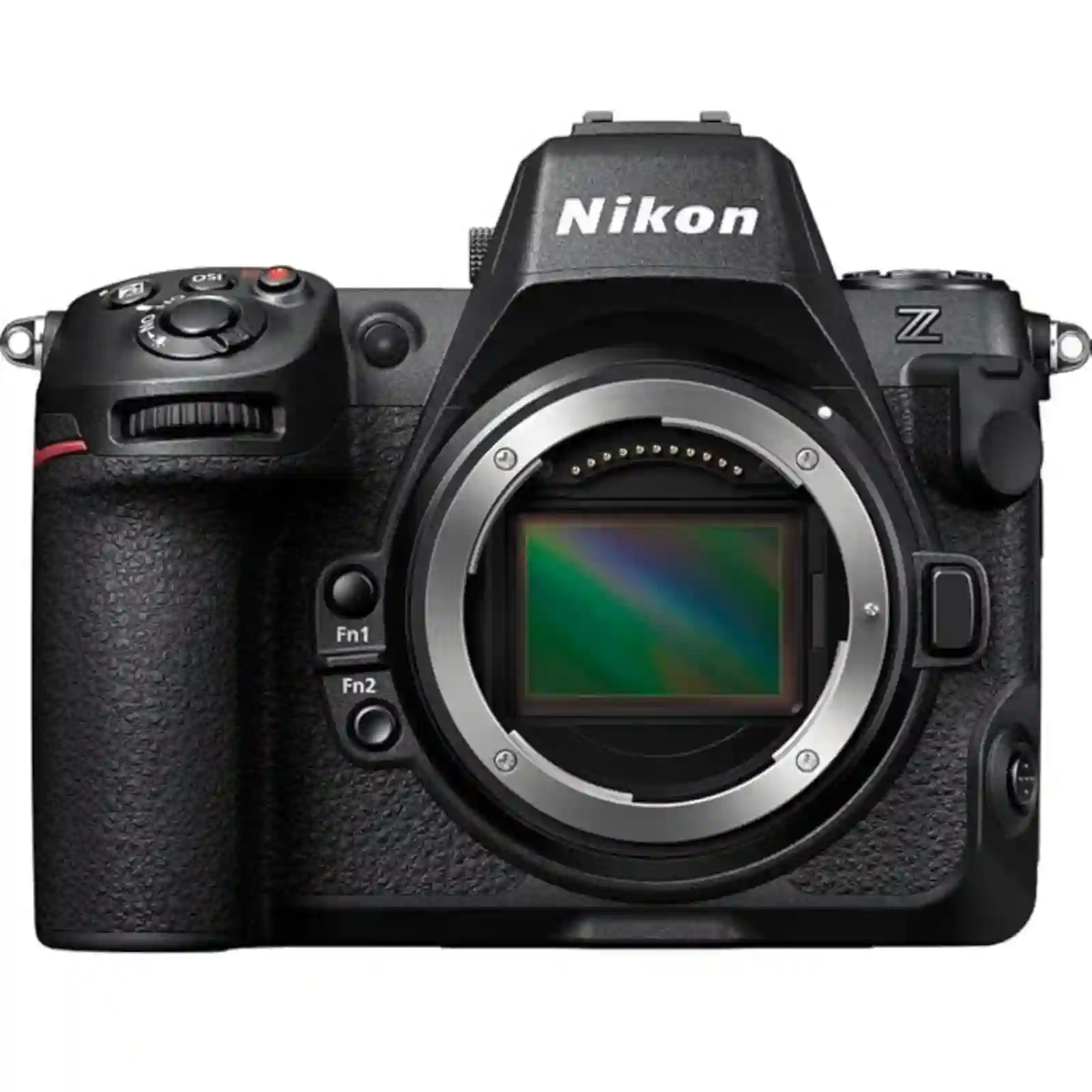 | 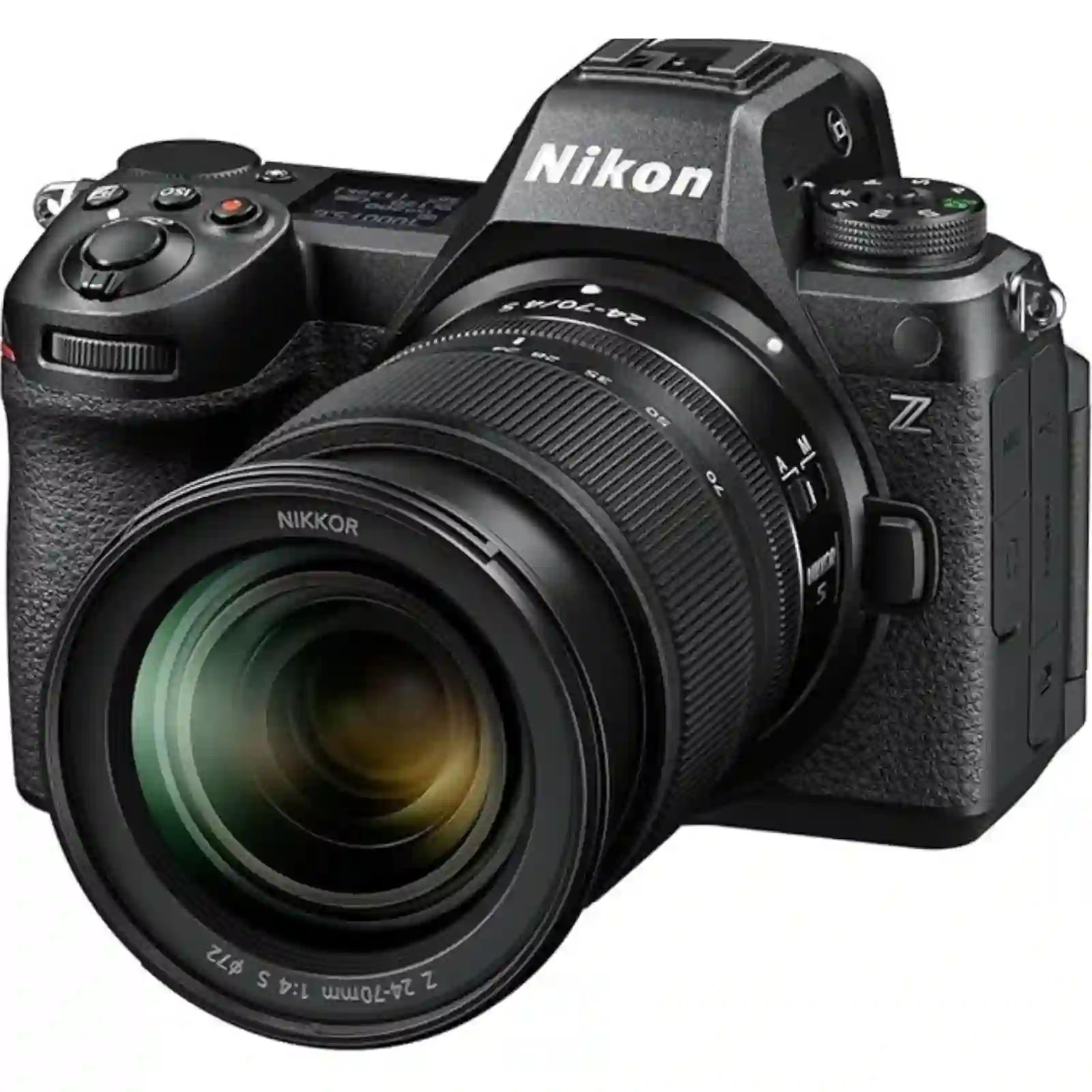 | 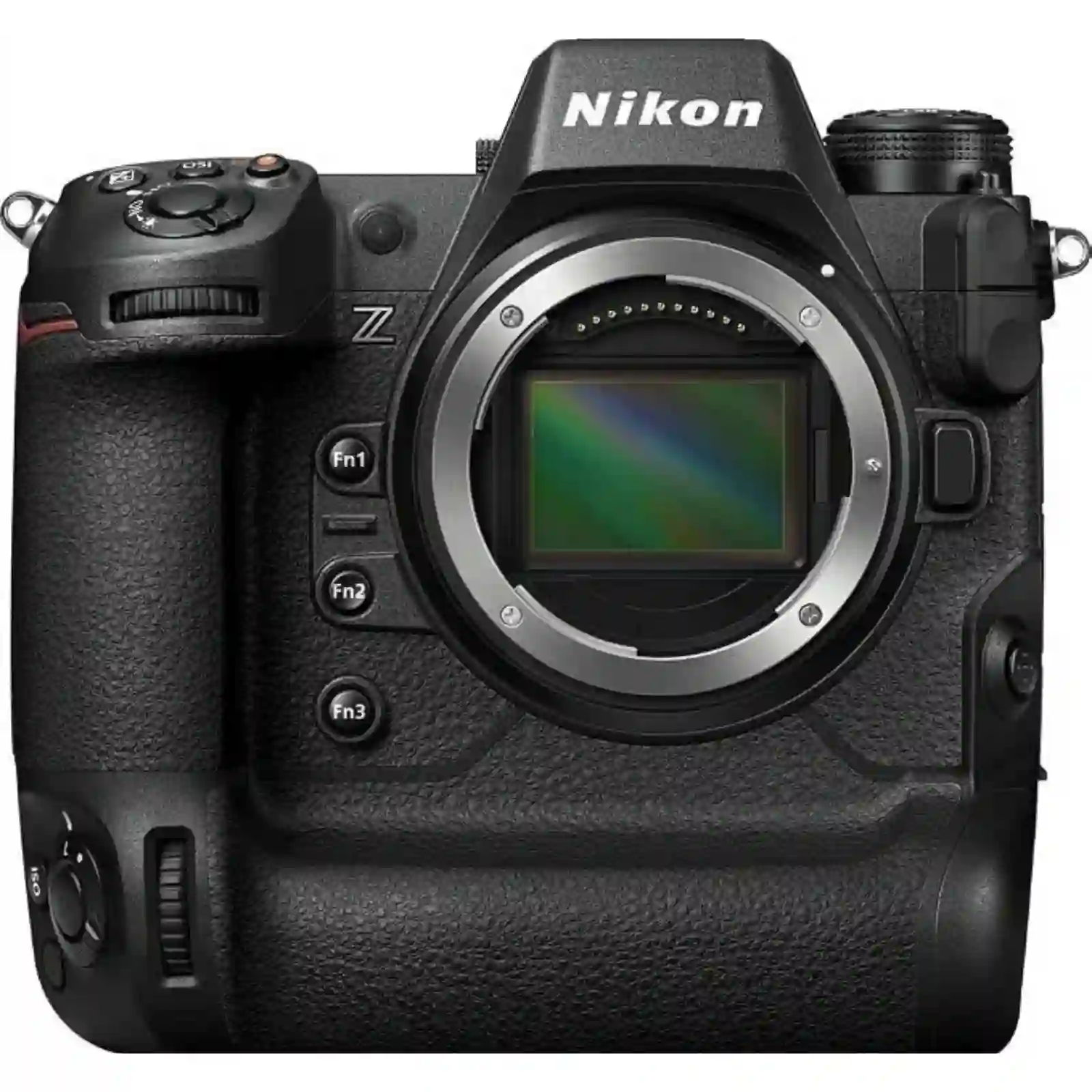 | 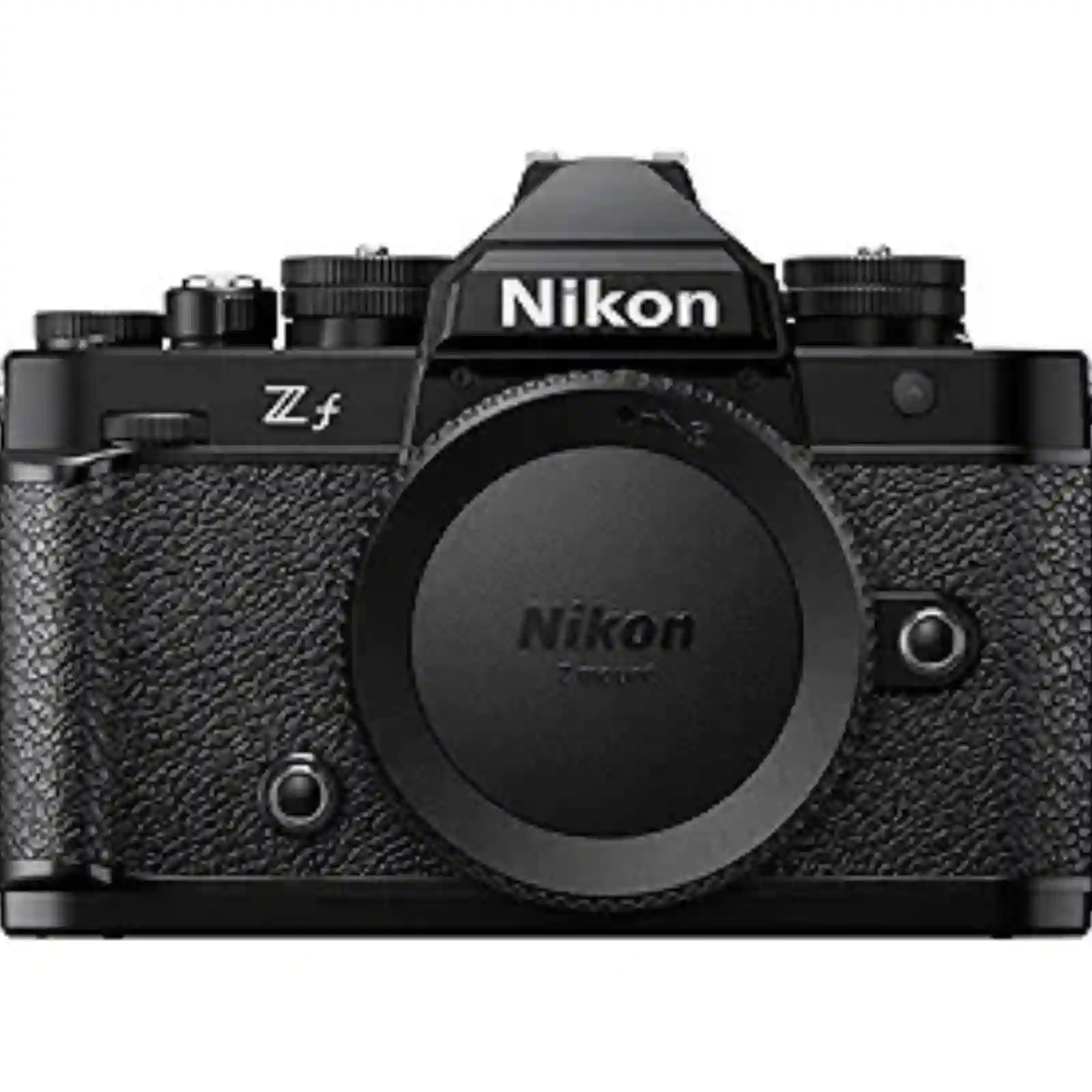 | 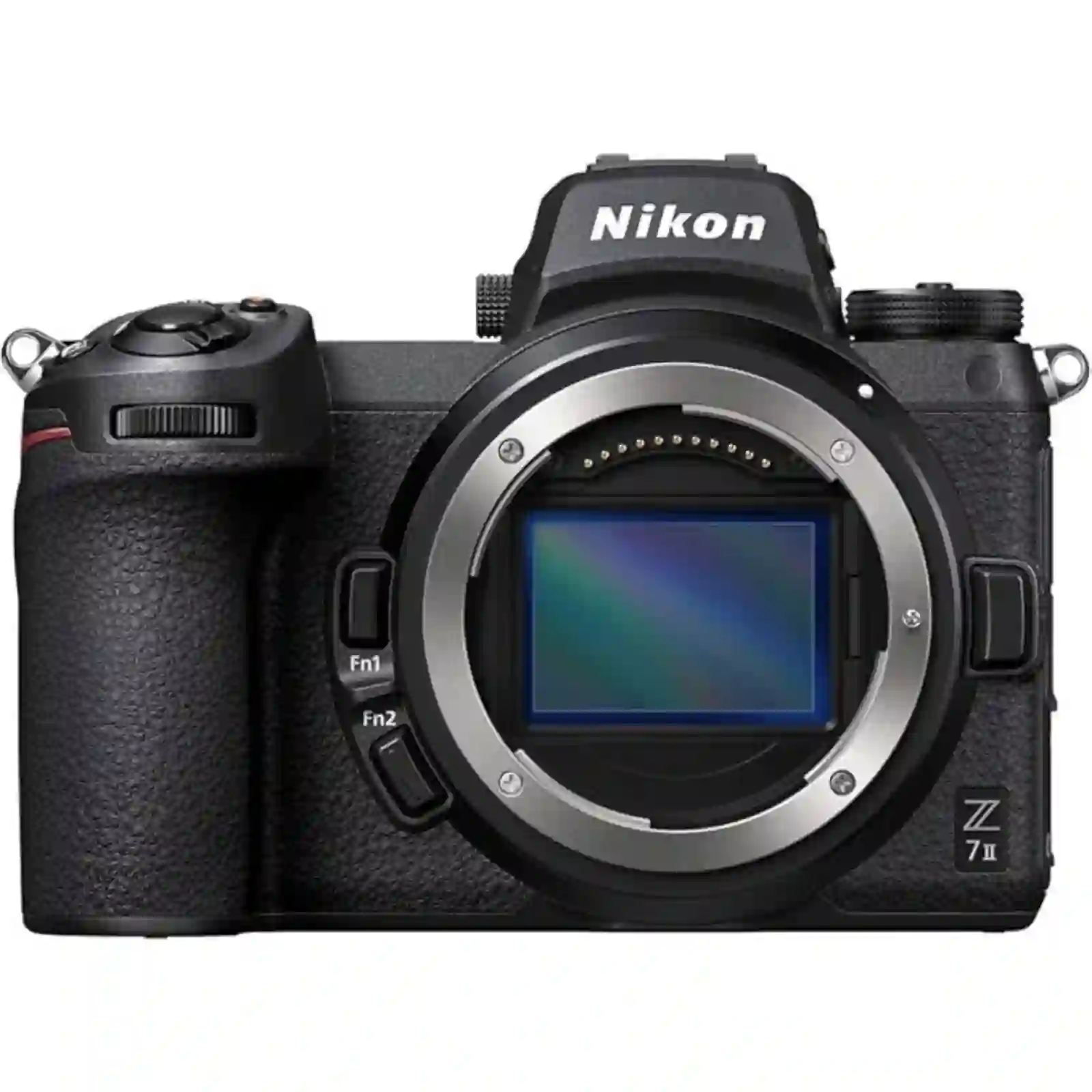 | 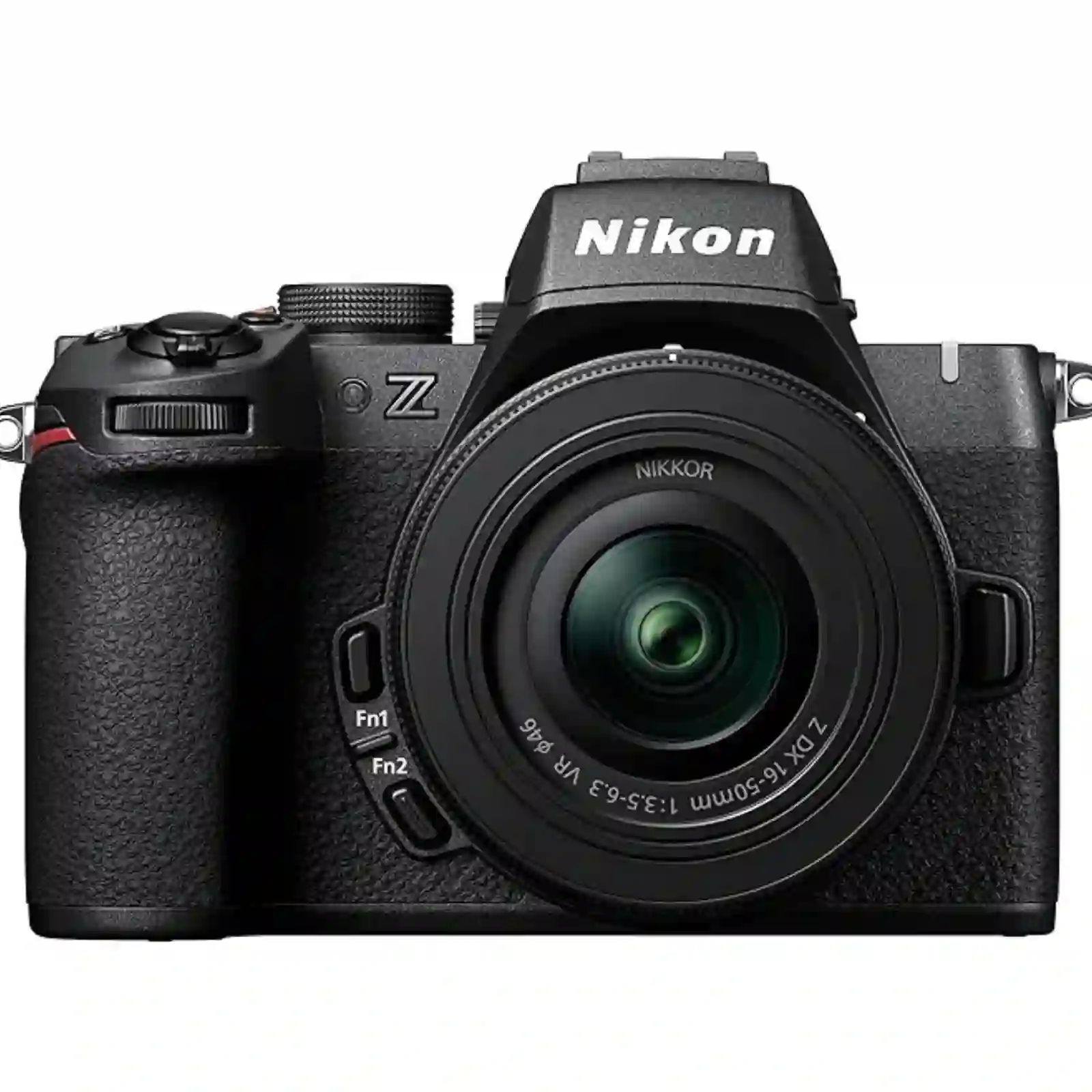 |
Wildlife, sports, weddings, landscapes, professional work | Weddings, events, hybrid photo and video work | Sports, news, wildlife, professional field work | Portraits, street, travel, low-light photography | Landscapes, studio, commercial photography | Beginners, travel, family, content creation |
⭐️9.8/10 | ⭐️9.5/10 | ⭐️9.4/10 | ⭐️9.2/10 | ⭐️8.9/10 | ⭐️8.7/10 |
How to Use This Guide
This guide is built by photography style, not just camera specs.
Before choosing the best Nikon Z camera for your needs, think about your hardest shoot. Is it birds at dawn, a dark wedding hall, fast sports, detailed landscapes, or a full travel day with one camera?
That worst-case scenario matters more than your average weekend outing.
Use this guide to match each Nikon Z camera with the work it handles best. The goal is simple: help you buy the Nikon Z body that fits your real photography, not just the one that looks best on paper.
How Nikon Z Sensors Actually Work
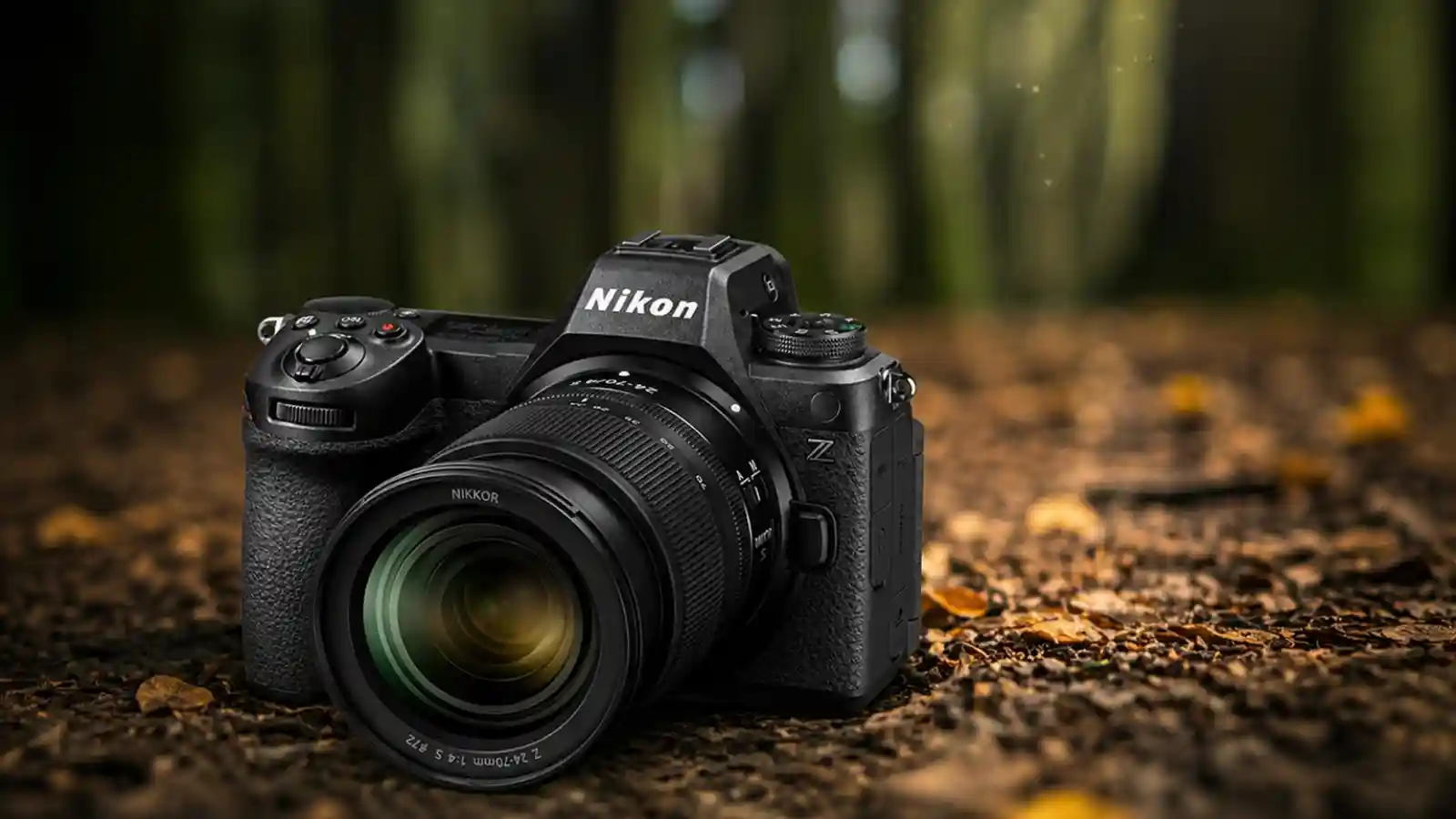
A Nikon Z camera is not just about megapixels.
The sensor design changes how the camera behaves in real photography. It affects autofocus speed, rolling shutter, low-light quality, cropping room, file size, and how confident the camera feels with moving subjects.
This is why a Nikon Z8 and Z7 II can both offer 45.7MP, but still feel very different in actual use.
Stacked CMOS: Best for Speed and Action
A stacked sensor reads the scene faster.
This matters when your subject is moving quickly, like birds, sports players, or wildlife. It helps the camera track better and reduces rolling shutter when using the electronic shutter.
Best choice: Nikon Z8 or Z9
Best for: Wildlife, sports, news, fast action
Not always needed for: Landscapes, studio, slow portraits
If you shoot action, stacked CMOS can improve your keeper rate.
BSI CMOS: Best for Detail and Low Light
A BSI sensor is more about image quality than speed.
It helps with detail, dynamic range, and cleaner files in darker conditions. This is useful for landscapes, studio work, portraits, weddings, and astrophotography.
Best choice: Nikon Z7 II or Zf
Best for: Landscapes, portraits, low light, studio work
Main limit: Older AF systems may not track fast movement as well
The Z7 II can give beautiful files, but it is not the best Nikon Z camera for difficult action.
APS-C / DX: Best for Reach and Value
APS-C gives you a smaller sensor than full-frame.
The benefit is reach. Your lenses feel tighter, which can help with travel, family photos, casual wildlife, and beginner photography.
Best choice: Nikon Z50 II
Best for: Beginners, travel, family, budget users
Main limit: Full-frame cameras are better in low light and give stronger background blur
For many casual users, APS-C is enough. For dark weddings or serious low-light work, full-frame is safer.
Where the Nikon Z6 III Fits
The Nikon Z6 III sits between normal BSI cameras and flagship stacked cameras.
Its sensor is partially stacked, not fully stacked like the Z8 or Z9.
| What It Gives You | What It Does Not Give You |
|---|---|
| Faster readout than older 24MP bodies | Full Z8 or Z9 level stacked sensor speed |
| Strong performance for weddings and events | Maximum pro sports and wildlife performance |
| Smaller files than 45MP cameras | Heavy cropping room like the Z8 or Z7 II |
| Good balance for photo and video | Not the highest resolution Nikon Z body |
Simple take: The Z6 III is the best balance camera for many photographers. It is fast, modern, strong in low light, and easier to manage than a 45MP body.
Why Autofocus Matters More Than Megapixels
A sharp 24MP photo is better than a missed 45MP photo.
That is why autofocus generation matters. Newer Nikon Z cameras with EXPEED 7, subject detection, and 3D Tracking are better for moving people, birds, animals, and sports.
Expert tip: Update the firmware before judging autofocus. Nikon often improves subject detection, bird AF, tracking, and video features after launch.
Resolution Reality Check: 24MP vs 45MP
More megapixels are useful, but only when your work needs them.
| Resolution | Best For | Main Benefit | Main Trade-Off |
|---|---|---|---|
| 24MP | Weddings, events, travel, portraits, web, social media | Smaller files, faster editing, easier storage | Less cropping room |
| 45MP | Landscapes, studio, commercial work, wildlife cropping, large prints | More detail and crop freedom | Bigger files, slower workflow, more storage needed |
For wedding and event shooters, 24MP can be smarter because it keeps the workflow fast.
For landscape and studio photographers, 45MP makes more sense because detail matters more than speed.
Our Top Pick
Nikon Z8
The Nikon Z8 is our top pick because it gives the best mix of speed, autofocus, and 45.7MP image quality in the Nikon Z lineup. It is powerful enough for wildlife, sports, weddings, and landscapes, but still easier to carry than the Z9.
If you want one Nikon Z camera that can handle serious photography across different genres, the Z8 is the safest choice.
This article may contain affiliate links. As an Amazon Associate and Direct Affiliate, we earn from qualifying purchases at no extra cost to you.
Genre-by-Genre: Which Nikon Z Body Matches Your Photography?
Before reading the full reviews, compare the main differences first.
Before reading the full reviews, compare the main differences first. The best Nikon Z camera depends on your shooting style, budget, weight comfort, and the kind of files you want to handle.
In the reviews below, we look at each camera’s strengths, drawbacks, pros, cons, and who should actually buy it.
Nikon Z8 | Nikon Z6 III | Nikon Z9 | Nikon Zf | Nikon Z7 II | Nikon Z50 II | |
|---|---|---|---|---|---|---|
| | | | | | |
Photography Genre | Wildlife & Birds | Weddings & Events | Sports & News | Portraits & Street | Landscape & Studio | Travel & Beginners |
Key Strength | Best mix of speed, resolution, and autofocus | Best balance of price, AF, low light, and file size | Flagship durability, battery life, and pro handling | Full-frame quality with classic Nikon feel | 45.7MP detail and strong dynamic range | Compact size, lower price, and extra reach |
Sensor | 45.7MP full-frame stacked CMOS | 24.5MP full-frame partially-stacked CMOS | 45.7MP full-frame stacked CMOS | 24.5MP full-frame BSI CMOS | 45.7MP full-frame BSI CMOS | 20.9MP APS-C / DX CMOS |
Weight | Approx. 910g | Approx. 760g | Approx. 1340g | Approx. 710g | Approx. 705g | Approx. 550g |
⭐️9.8/10 | ⭐️9.5/10 | ⭐️9.4/10 | ⭐️9.2/10 | ⭐️8.9/10 | ⭐️8.7/10 | |
Prices and availability can change based on retailer, country, discounts, and kit options. Please check the latest price before buying.
Our recommendations are based on official product details, expert reviews, long-term buyer feedback, and repeated user experience patterns. We do not claim personal lab testing for every camera.
1. Nikon Z8 Review | Best Overall Nikon Z Camera for Photography
Nikon Z8
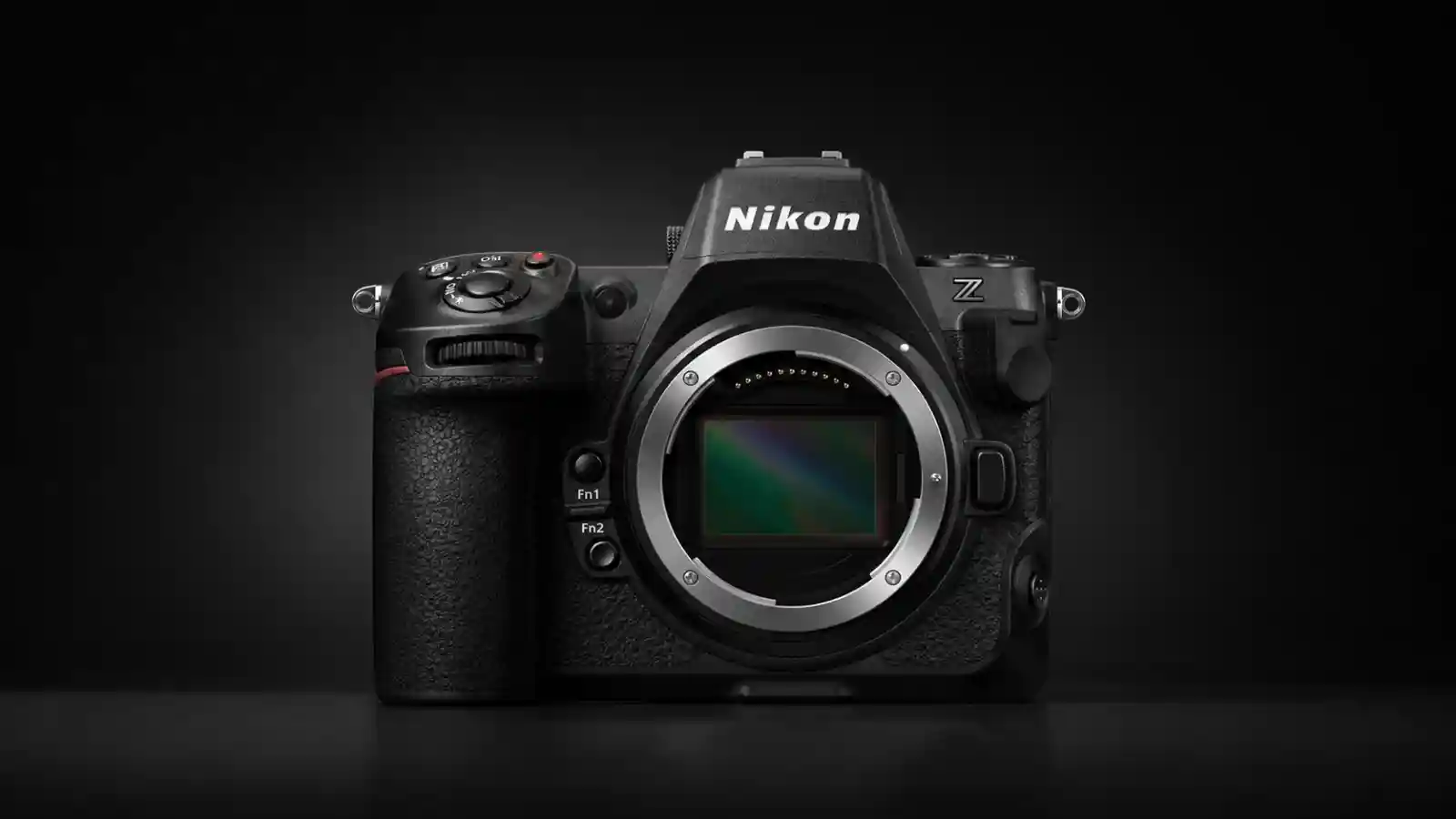
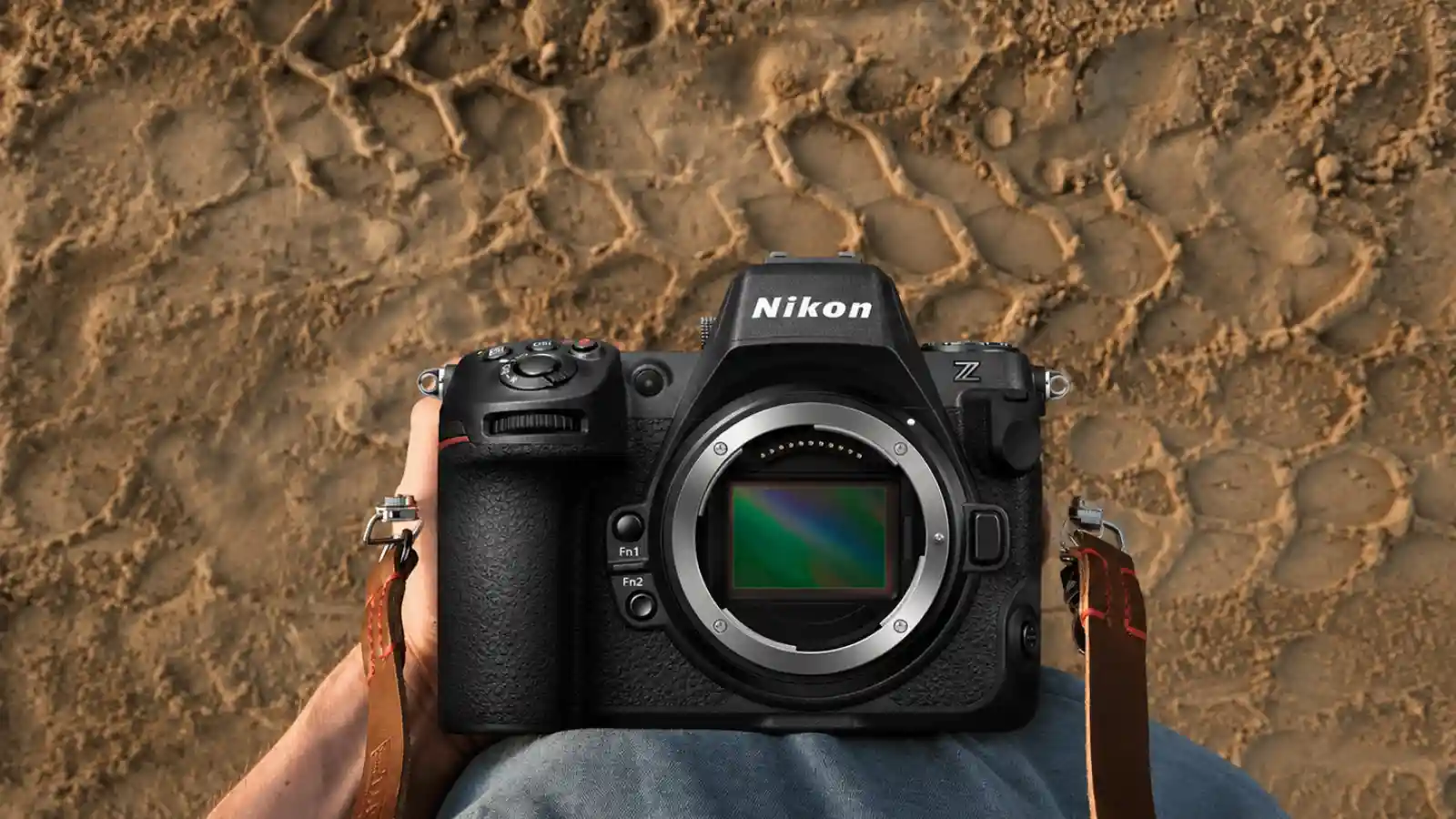
The Nikon Z8 is the best all-around Nikon Z camera for serious photographers.
It gives you 45.7MP detail, fast stacked-sensor performance, strong autofocus, and professional features in a smaller body than the Z9.
It is a great choice for wildlife, weddings, sports, landscapes, and hybrid work.
Pros
- Excellent 45.7MP image quality
- Fast stacked-sensor performance
- Strong autofocus for birds, wildlife, people, and sports
- Great for both action and high-resolution work
- Smaller and easier to carry than the Z9
- Strong choice for advanced and professional photographers
Cons
- Expensive for casual users
- CFexpress cards add to the total cost
- Large files need more storage
- Overkill for simple travel or family photography
- Some bundles may include accessories that do not match the camera level
Best for: Wildlife, sports, weddings, landscapes, professional work
Best reason to buy: Flagship-level speed and autofocus in a smaller body than the Z9
The Nikon Z8 is the strongest all-around Nikon Z camera on this list.
It is built for photographers who do not want to choose between speed and detail. You get high-resolution files for landscapes and studio work, but also the speed and autofocus needed for wildlife, birds, sports, and weddings.
This is the body for serious photographers who shoot more than one genre.
If you want one Nikon Z camera that can handle almost everything, the Z8 is the safest pick.
Key Specs
- 45.7MP full-frame stacked CMOS sensor
- EXPEED 7 image processor
- Approx. 910g with battery and memory card
- Up to 20 fps RAW shooting
- Up to 120 fps JPEG shooting at reduced resolution
- 8K video support
- CFexpress Type B / XQD + SD card slots
- Strong subject detection and 3D Tracking
Who Should Buy the Nikon Z8?
Buy the Nikon Z8 if you want one serious Nikon Z body for wildlife, weddings, sports, landscapes, studio work, and hybrid photo-video use.
Who Should Avoid It?
Avoid it if you mainly shoot casual travel, family photos, or simple portraits. The Z6 III, Z7 II, or Z50 II may give better value.
Drawbacks
The Z8 is expensive, and the cost does not stop at the body. Fast CFexpress cards, larger storage drives, extra batteries, and high-quality lenses can increase the total ownership cost quickly.
It also creates large files. If you shoot high-volume weddings or events, your editing and backup workflow needs to be ready.
Some bundles may include weak accessories like small tripods or filler items. For a camera at this level, it is usually smarter to buy the body, lens, and cards carefully.
Final Verdict
The Nikon Z8 is the best Nikon Z camera for photography in 2026 if your budget allows. It is expensive, but it earns its place because it gives you resolution, speed, autofocus, and professional flexibility in one body.
2. Nikon Z6 III Review | Best Nikon Z Camera for Most Photographers
Nikon Z6 III
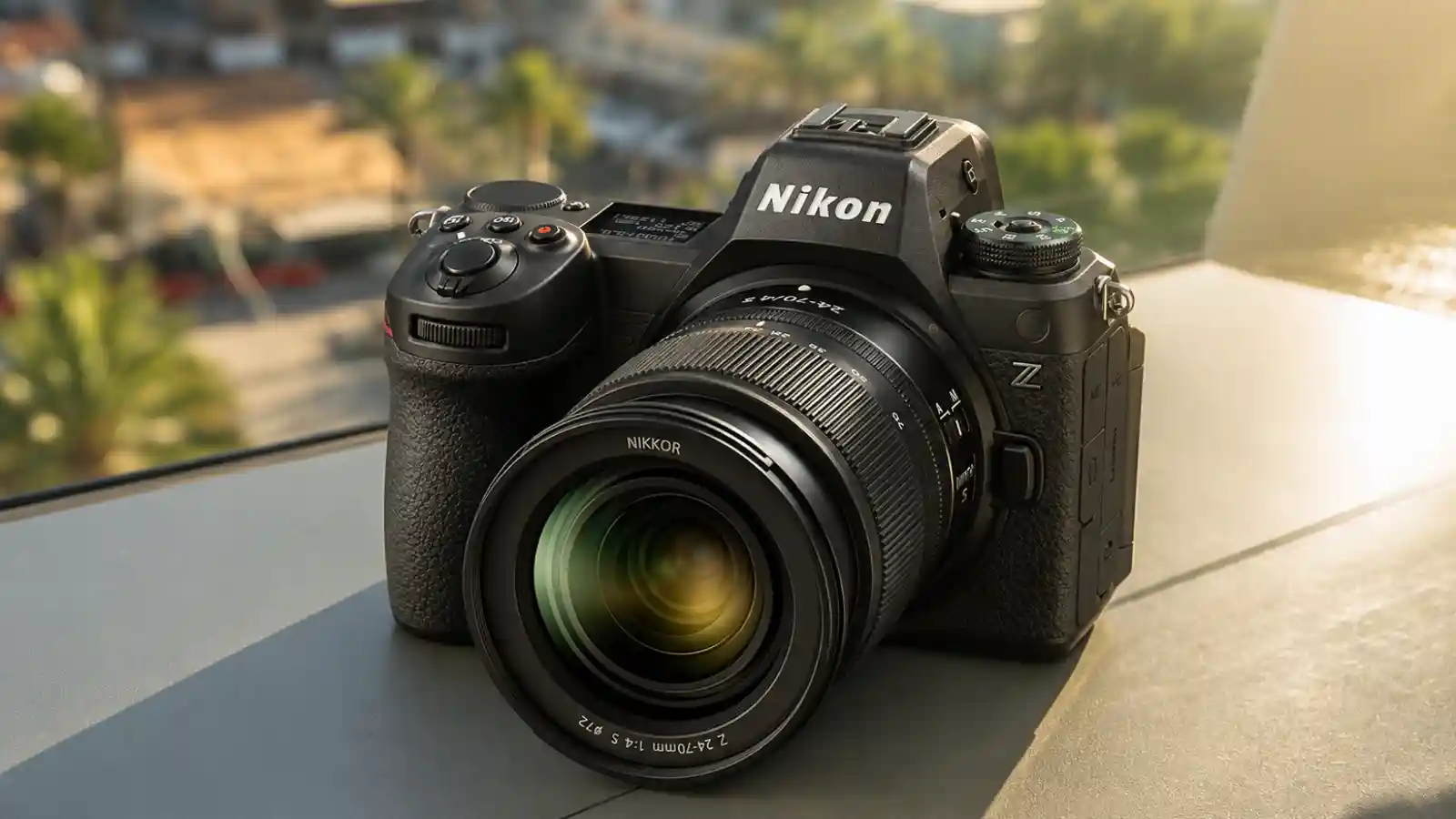
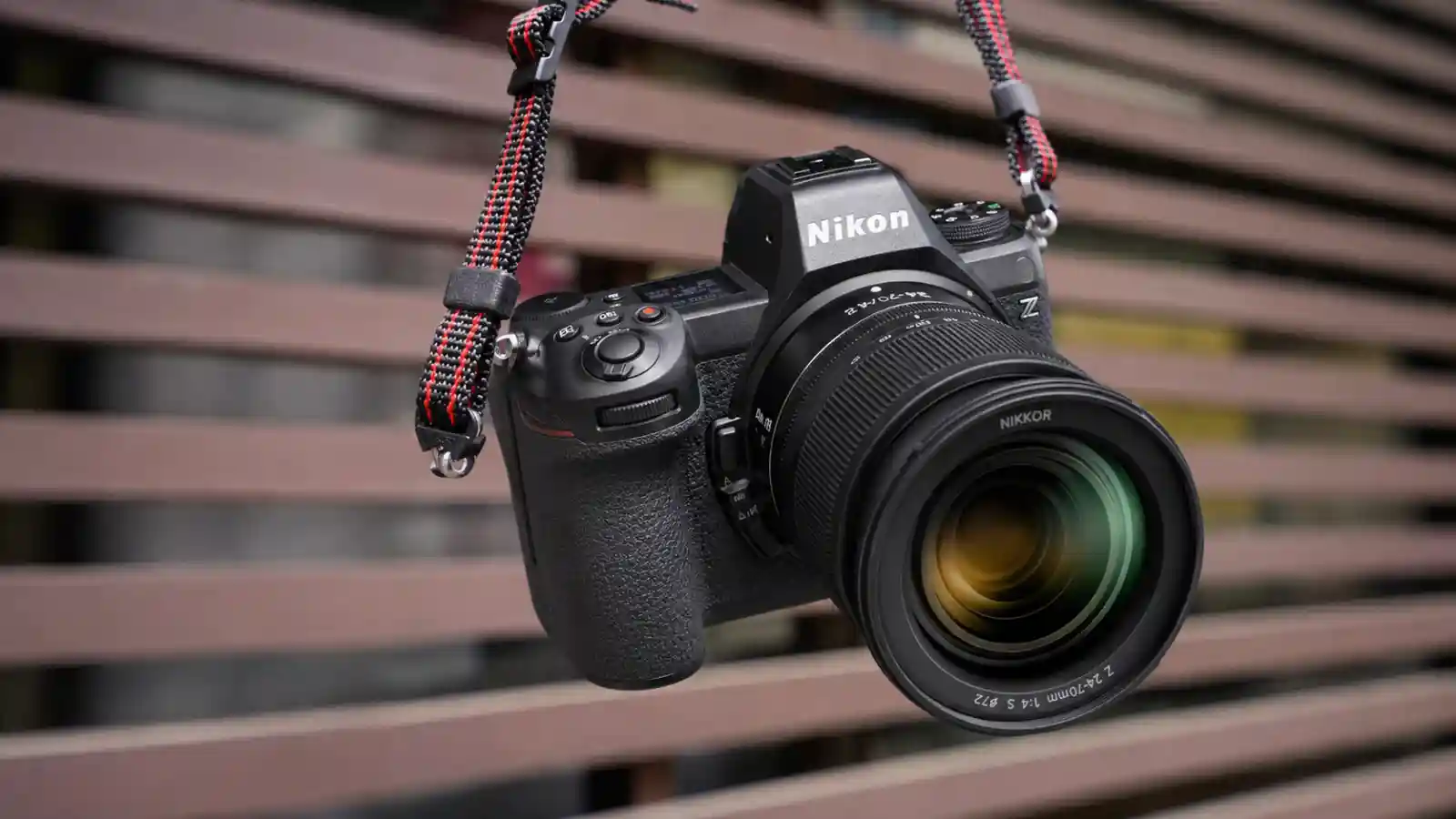
The Nikon Z6 III is the best Nikon Z camera for most photographers. It gives a smart balance of speed, low-light performance, autofocus, and easy-to-manage 24.5MP files.
It is especially strong for weddings, events, portraits, travel, and hybrid photo-video creators.
Pros
- Best balance of speed, price, autofocus, and file size
- Strong for weddings, events, portraits, and low light
- 24.5MP files are easier to edit and store
- Modern EXPEED 7 autofocus and subject detection
- Strong hybrid photo and video features
- Better value than the Z8 for many photographers
Cons
- Less cropping room than 45MP cameras
- Not full Z8 or Z9 stacked-sensor speed
- CFexpress cards increase total cost
- Some bundles may include low-quality extras
- Not the strongest choice for pure landscape or studio resolution
Best for: Weddings, events, portraits, low light, hybrid photo and video
Best reason to buy: Best balance of performance, autofocus, file size, and price
The Nikon Z6 III is the camera most photographers should consider first.
It does not have the 45.7MP resolution of the Z8 or Z7 II, but that is not always a weakness. For weddings, events, portraits, travel, social media, and client galleries, 24.5MP is easier to edit, store, and deliver.
This is the practical workhorse in the Nikon Z lineup.
It gives you modern autofocus, strong low-light ability, fast shooting, and excellent hybrid photo-video performance without jumping into Z8 pricing.
Key Specs
- 24.5MP full-frame partially-stacked CMOS sensor
- EXPEED 7 image processor
- Approx. 760g with battery and memory card
- Up to 20 fps RAW shooting
- Up to 120 fps JPEG shooting in high-speed modes
- 6K/60p internal RAW video
- 4K/120p video support
- CFexpress Type B / XQD + SD card slots
- 3D Tracking and subject detection AF
Who Should Buy the Nikon Z6 III?
Buy the Nikon Z6 III if you shoot weddings, events, portraits, low light, travel, or mixed photo-video work and want one modern Nikon Z body that does most things well.
Who Should Avoid It?
Avoid it if your main work is wildlife cropping, large commercial prints, or studio detail where 45MP files matter more.
Drawbacks to Know
The Z6 III is not the best choice if you need heavy cropping or very large landscape prints. For that, a 45MP body like the Z8 or Z7 II makes more sense.
Also be careful with bundles. Buyer feedback often praises the camera itself, but some bundles include weak tripods, filler accessories, or third-party batteries that may not perform well.
If you are serious about photography, buying the camera and lens separately can be smarter.
Still unsure whether the Z6III is enough or the Z8 is worth the upgrade? Our Nikon Z6III vs Z8 comparison breaks down the real workflow difference.
Final Verdict
The Nikon Z6 III is the smartest Nikon Z camera for most photographers. It is not the highest-resolution body, but it gives the best real-world balance of autofocus, speed, low light, and manageable files.
3. Nikon Z9 Review | Best Nikon Z Camera for Full-Time Professionals
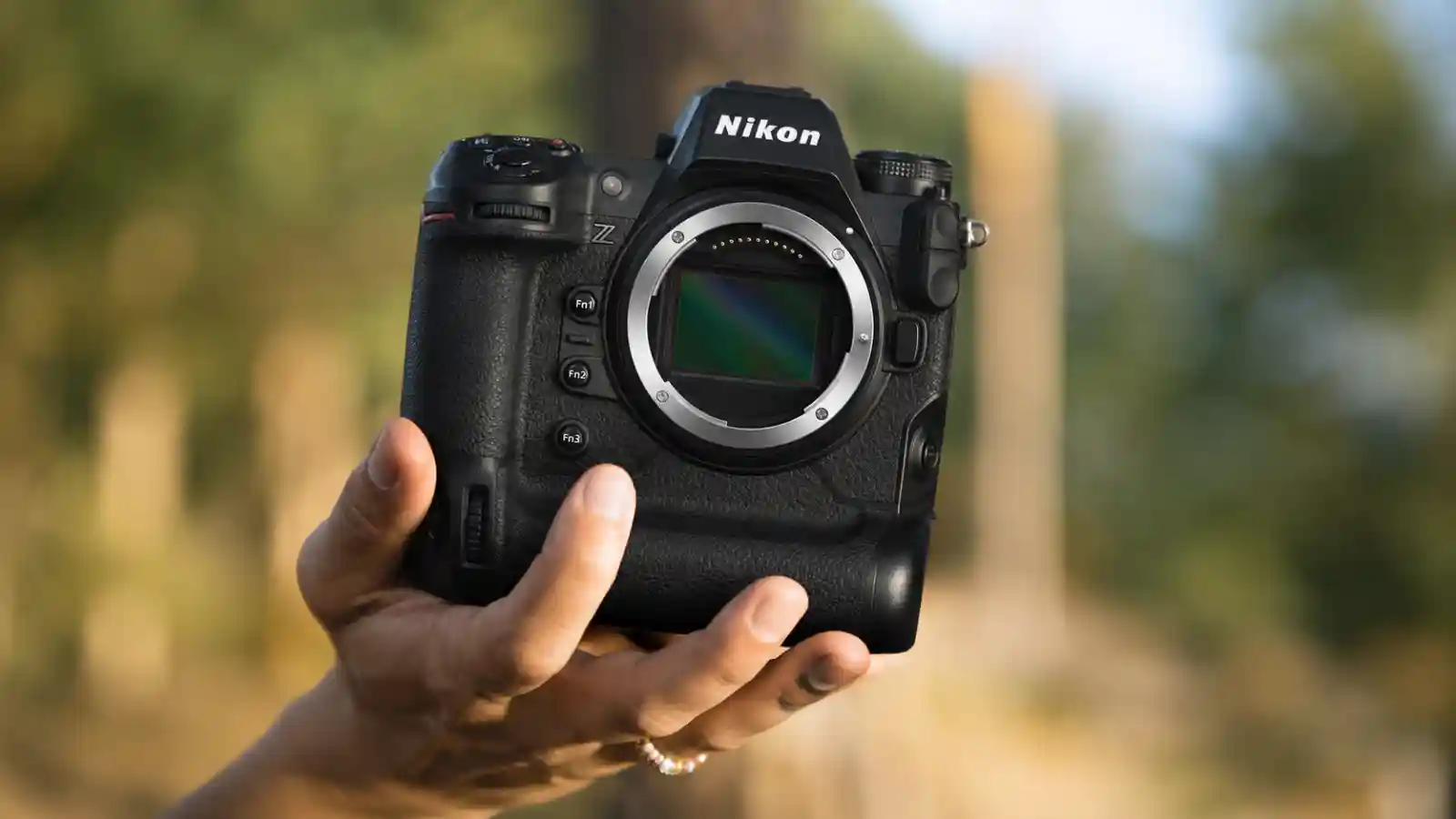
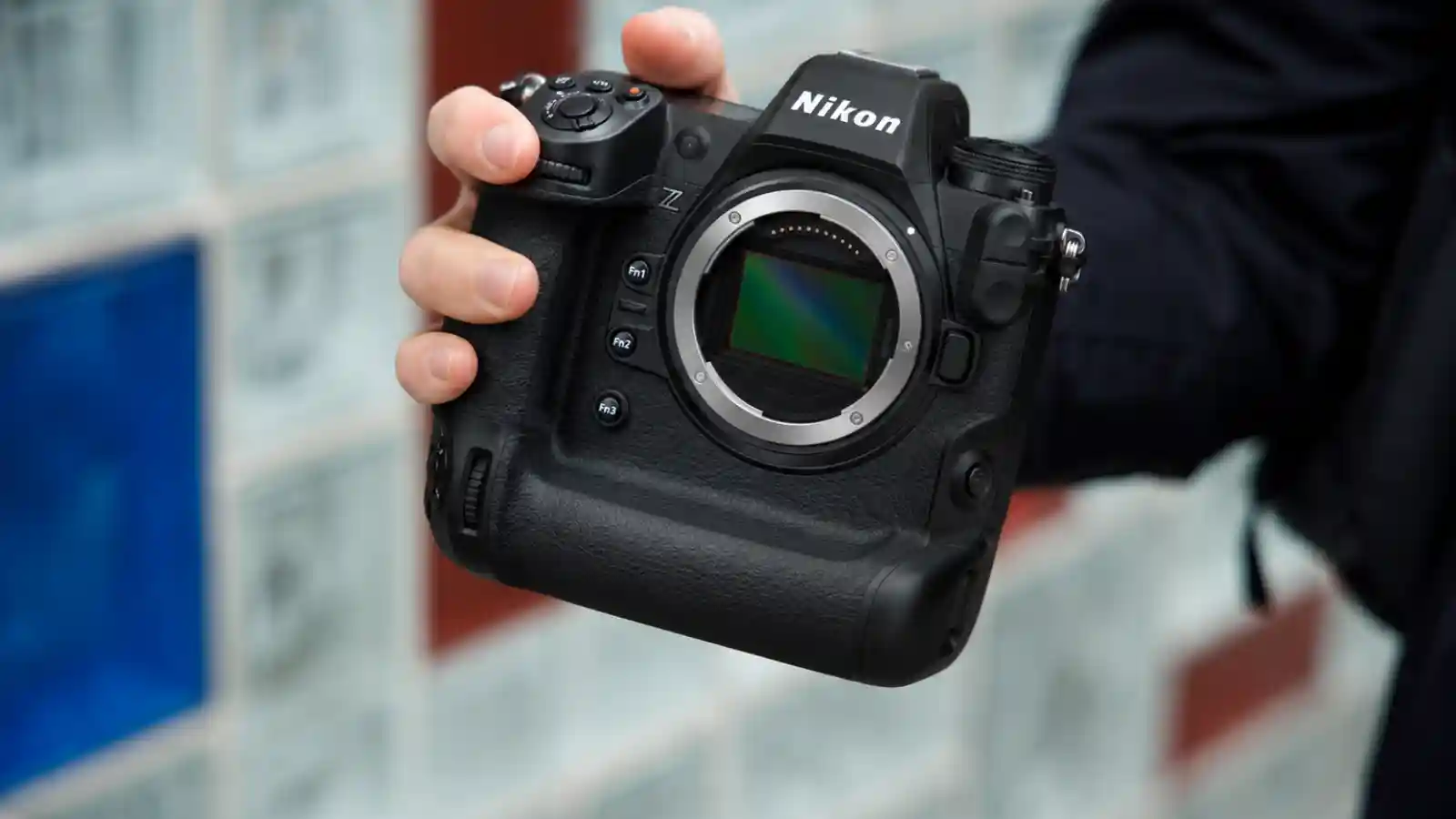
Nikon Z9
The Nikon Z9 is Nikon’s flagship mirrorless camera for full-time professionals. It offers 45.7MP files, fast stacked-sensor performance, strong battery life, and pro-level handling.
It is built for sports, news, wildlife, birds, and demanding field work.
Pros
- Nikon flagship performance
- Excellent for sports, news, wildlife, and birds
- Strong balance with big telephoto lenses
- Dual CFexpress slots for cleaner pro workflow
- Great battery confidence
- Built for demanding professional use
Cons
- Heavy for travel and all-day handheld work
- Expensive for most photographers
- Too large for casual shooting
- Less discreet than smaller bodies
- Z8 is more practical for many users
Best for: Sports, news, wildlife, birds, professional field work
Best reason to buy: Nikon flagship performance with pro body handling
The Nikon Z9 is Nikon’s flagship mirrorless camera.
It is built for photographers who need maximum durability, battery confidence, deep controls, and professional handling. For sports, news, wildlife, and demanding field work, it is still one of the strongest Nikon Z bodies.
The main reason to choose it over the Z8 is the integrated pro body.
If you use large telephoto lenses often, the heavier body can actually help with balance.
Key Specs
- 45.7MP full-frame stacked CMOS sensor
- EXPEED 7 image processor
- Approx. 1340g with battery and memory card
- Up to 20 fps RAW shooting
- 30 fps full-resolution JPEG shooting
- Up to 120 fps reduced-resolution JPEG shooting
- 8K video support
- Dual CFexpress Type B / XQD card slots
- Flagship subject detection and 3D Tracking
Who Should Buy the Nikon Z9?
Buy the Nikon Z9 if you are a full-time sports, news, wildlife, or professional field photographer who needs the strongest Nikon body and does not mind the size.
Who Should Avoid It?
Avoid it if you want something lighter, cheaper, or easier to carry. For most serious photographers, the Z8 is the more practical choice.
Drawbacks to Know
The Z9 is heavy. That is the first thing to understand.
For some professional shooters, the weight feels stable with big lenses. For travel, hiking, casual wildlife, or long weddings, it can become tiring quickly.
It is also expensive. If you do not need the integrated grip, the Z8 gives a similar performance direction in a smaller and easier-to-pack body.
Final Verdict
The Nikon Z9 is still the flagship workhorse. It is powerful and reliable, but its weight and price make it a specialist tool rather than the best Nikon Z camera for everyone.
4. Nikon ZF Review | Best Nikon Z Camera for Portraits, Street, and Style
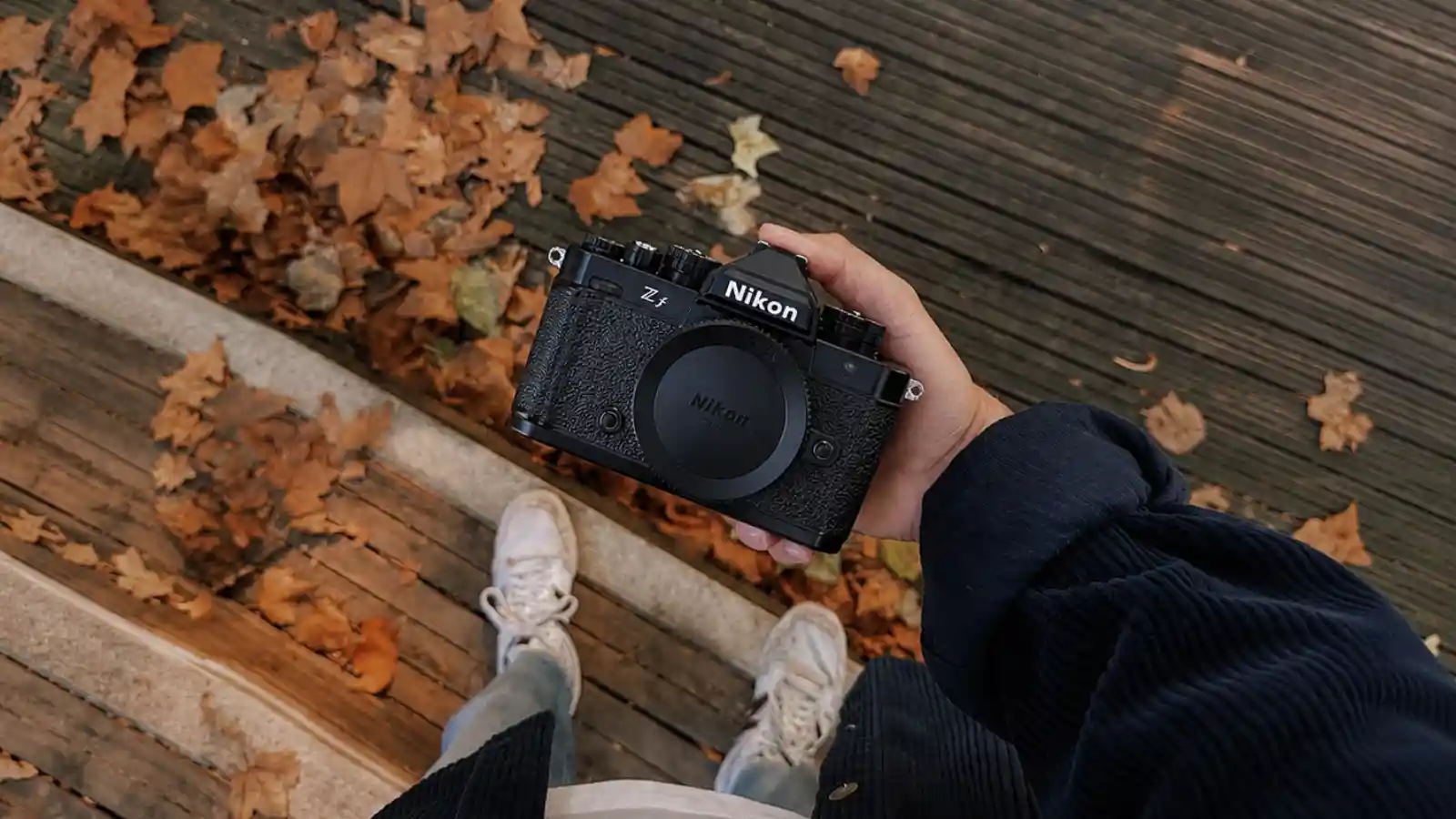
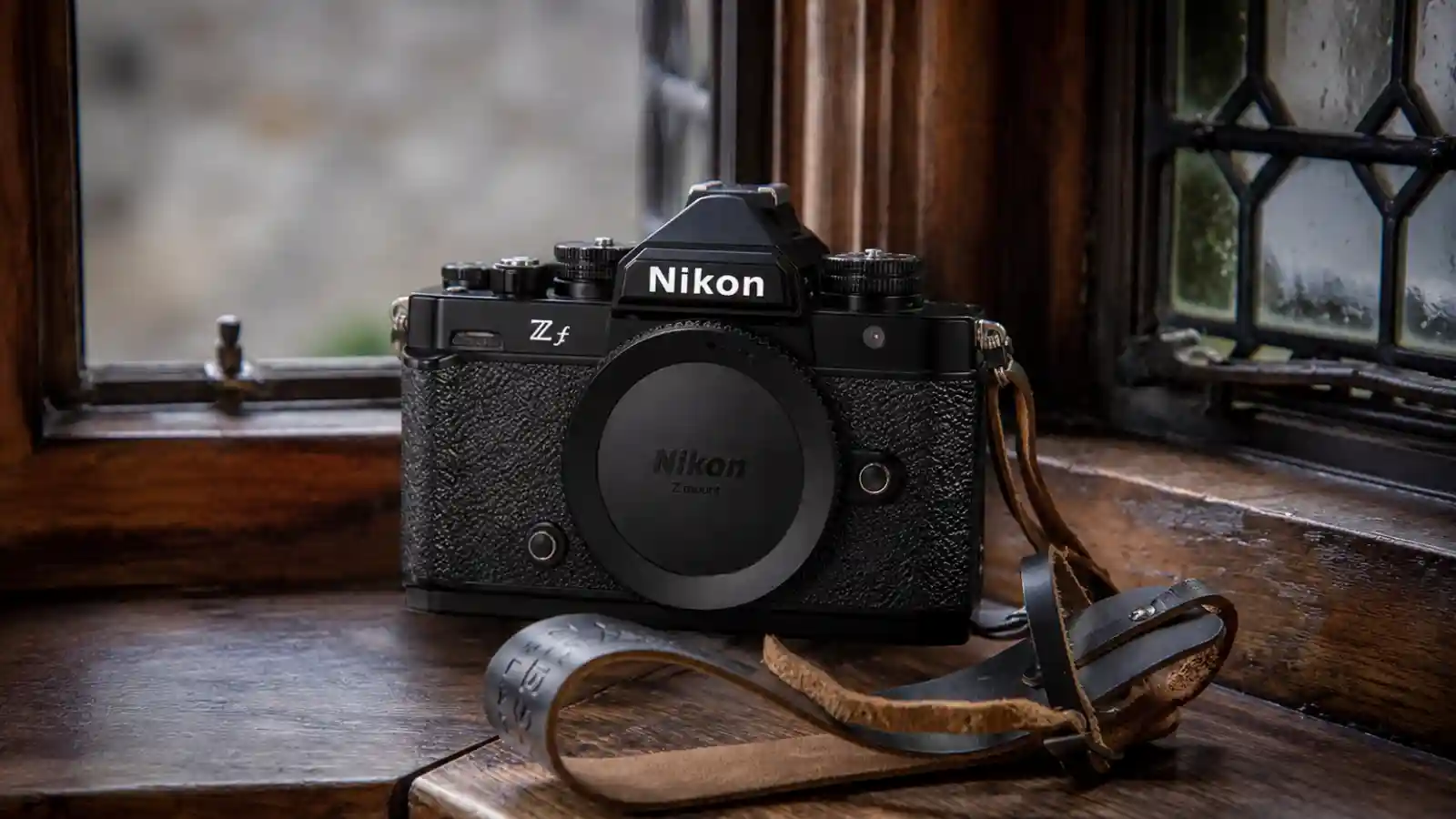
Nikon ZF
The Nikon Zf combines classic Nikon styling with modern full-frame performance.
It gives beautiful image quality, strong low-light results, subject detection, and a shooting feel that suits portraits, street, travel, and creative everyday photography.
Pros
- Beautiful classic Nikon design
- Excellent full-frame image quality
- Strong low-light performance
- Good autofocus and subject detection
- Great with compact prime lenses
- Enjoyable for portraits, street, travel, and personal work
Cons
- Grip is not comfortable for everyone
- Heavy lenses can make it awkward
- Add-on grip may be needed for long sessions
- Retro controls can feel slower for fast work
- SD + microSD setup is not ideal for heavy professional workflows
Best for: Portraits, street, travel, low-light photography
Best reason to buy: Full-frame image quality with classic Nikon styling
The Nikon Zf is for photographers who care about the feeling of photography, not just the final file.
For me, photography is not just about taking pictures. It is about noticing everything that makes the world beautiful: a quiet face, a soft shadow, a street corner, or a moment that disappears before most people even see it.
It has a classic Nikon design, tactile dials, full-frame image quality, strong low-light performance, and modern autofocus inside a retro-style body. For portraits, street photography, travel, personal work, and low-light scenes, it has a lot of charm.
It makes sense for photographers who want strong image quality but also want a camera that makes them slow down and enjoy the process.
If you want a smaller pocket-friendly camera for street and everyday photography, read our Ricoh GR IV review too.
Key Specs
- 24.5MP full-frame BSI CMOS sensor
- EXPEED 7 image processor
- Approx. 710g with battery and memory card
- 3D Tracking and subject detection AF
- Up to 8 stops of in-body vibration reduction
- 4K video support
- SD + microSD card slots
- Fully articulating touchscreen
- Classic dial-based control layout
Who Should Buy the Nikon ZF?
Buy the Nikon Zf if you want a full-frame Nikon Z camera for portraits, street, travel, low light, and creative everyday photography.
Who Should Avoid It?
Avoid it if you shoot long weddings, sports, wildlife, or use heavy zoom lenses most of the time. The Z6 III or Z8 will feel more practical.
Drawbacks to Know
The biggest drawback is ergonomics.
Many photographers love the design, but the flat grip is not comfortable for everyone. With compact primes, the Zf feels much better. With large zooms, it can become awkward and tiring.
An added grip can help, but it also makes the camera heavier. The retro controls can also feel slower if you are used to a modern DSLR or a Z6-style body.
Final Verdict
The Nikon Zf is one of the most enjoyable Nikon Z cameras, but only if its design fits your hands and your shooting style. It is excellent for style, portraits, and everyday creativity, but not the best ergonomic choice for everyone.
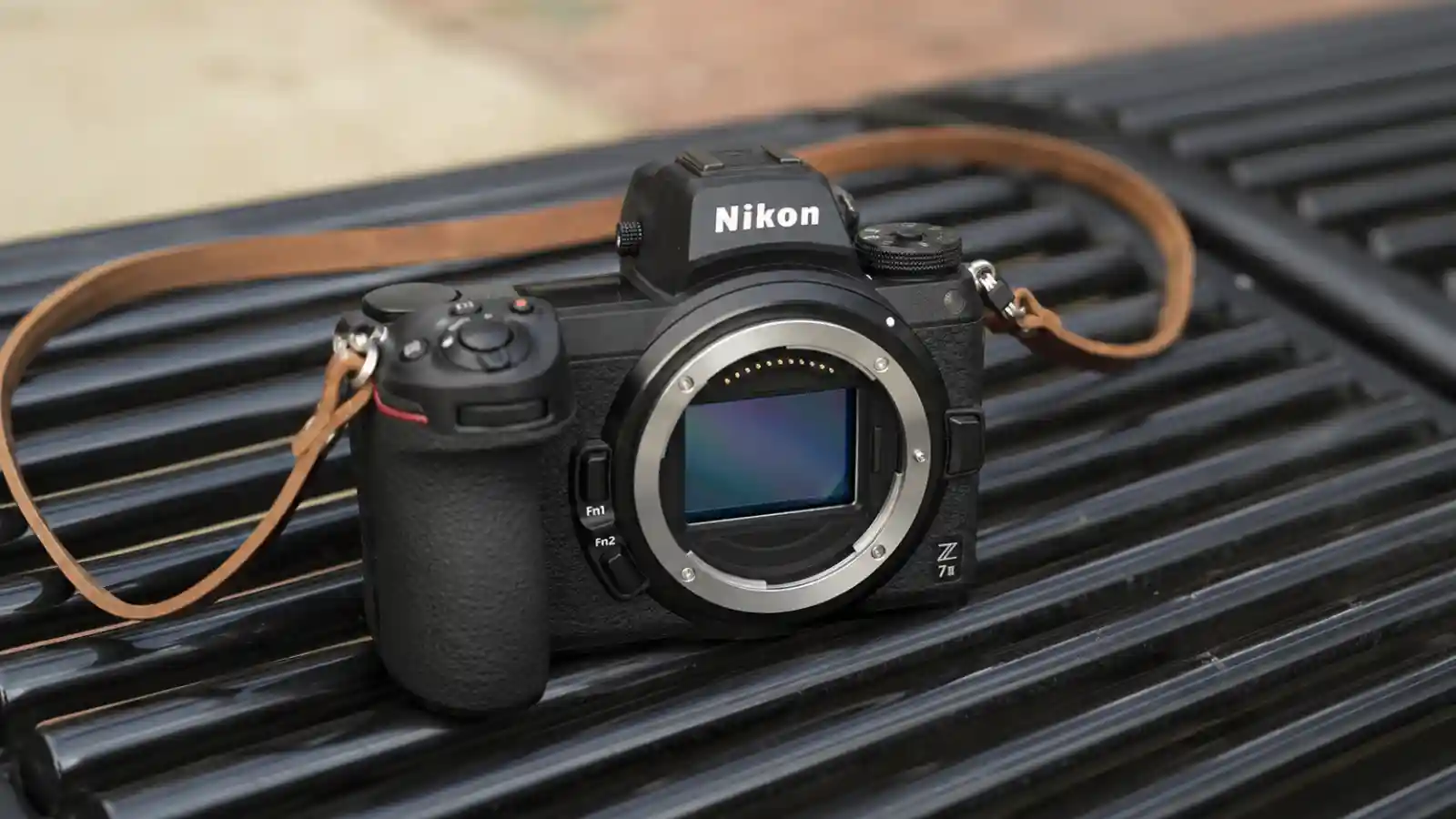
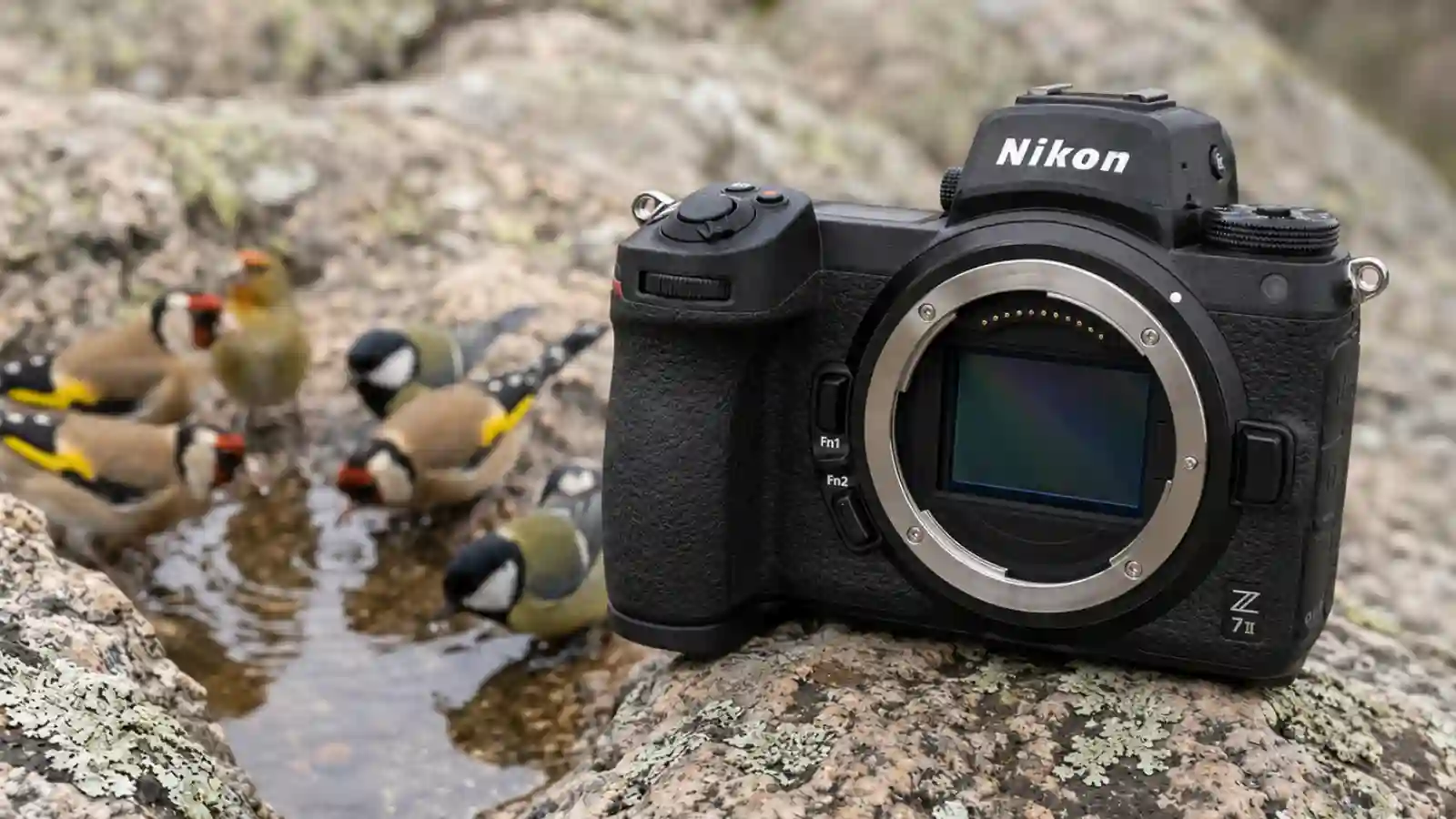
5. Nikon Z7 II Review | Best Nikon Z Camera for Landscapes and Studio Detail
Nikon Z7 II
The Nikon Z7 II is a strong choice for photographers who care about detail and image quality.
Its 45.7MP BSI sensor gives excellent resolution, dynamic range, and cropping room for landscapes, studio work, commercial shoots, and large prints.
Pros
- Excellent 45.7MP image detail
- Strong dynamic range at low ISO
- Great for landscapes, studio, commercial, and product work
- More affordable than Z8 or Z9
- Dual card slots
- Excellent with high-quality native Z lenses
Cons
- Older autofocus generation
- Not ideal for fast wildlife or sports
- 45MP files need more storage
- Best results require strong lenses
- Less future-proof for action than EXPEED 7 bodies
Best for: Landscapes, studio, commercial photography, large prints
Best reason to buy: 45.7MP detail at a better value than newer pro bodies
The Nikon Z7 II is still a smart choice for photographers who care more about detail than speed.
Its 45.7MP BSI sensor gives excellent resolution for landscapes, studio portraits, architecture, commercial work, products, and large prints. If your subjects are controlled or slow-moving, the Z7 II can still produce beautiful files.
It also feels like a natural mirrorless upgrade for photographers who loved the D850 style of shooting.
This is a careful, detailed, image-quality-focused camera.
Key Specs
- 45.7MP full-frame BSI CMOS sensor
- Dual EXPEED 6 image processors
- Approx. 705g with battery and memory card
- 493-point Hybrid AF system
- Up to 10 fps continuous shooting
- 4K/60p video support
- CFexpress Type B / XQD + SD card slots
- 5-axis in-body vibration reduction
Who Should Buy the Nikon Z7 II
Buy the Nikon Z7 II if you shoot landscapes, architecture, studio work, products, commercial images, or large prints where detail matters more than speed.
Who Should Avoid It?
Avoid it if you shoot birds, sports, weddings, or events where fast autofocus tracking matters more than resolution.
Drawbacks to Know
The main weakness is autofocus generation.
The Z7 II can focus well, but it does not track fast wildlife, sports, birds, or dark wedding movement like newer EXPEED 7 bodies. If your subject moves unpredictably, the Z8 or Z6 III is safer.
Lens quality also matters. A 45.7MP sensor will show weak glass quickly. To get the best from the Z7 II, use strong native Z lenses whenever possible.
Final Verdict
The Nikon Z7 II is not the newest or fastest Nikon Z camera, but it still makes sense for high-resolution work. For careful photography, it remains a strong value.
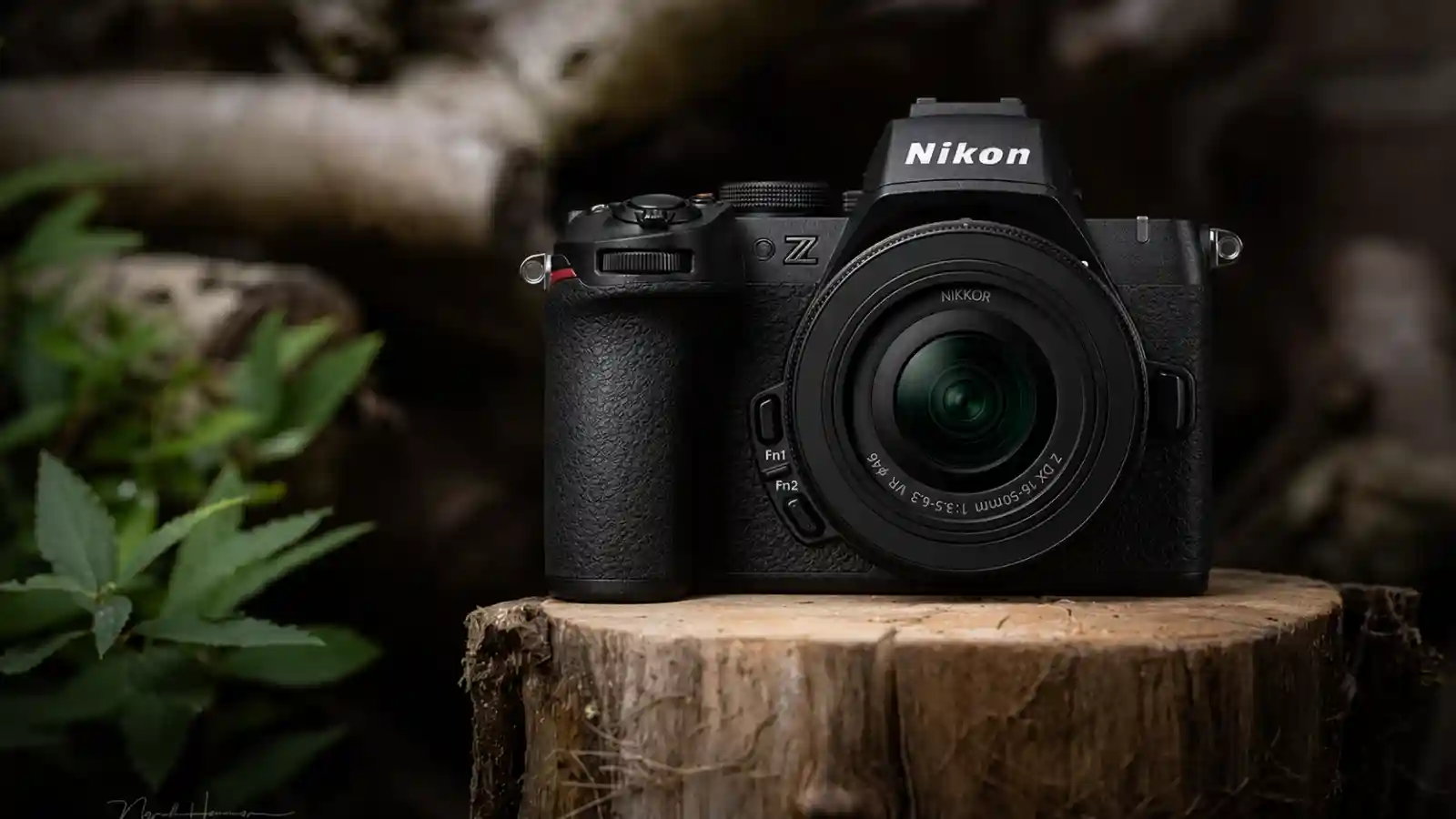
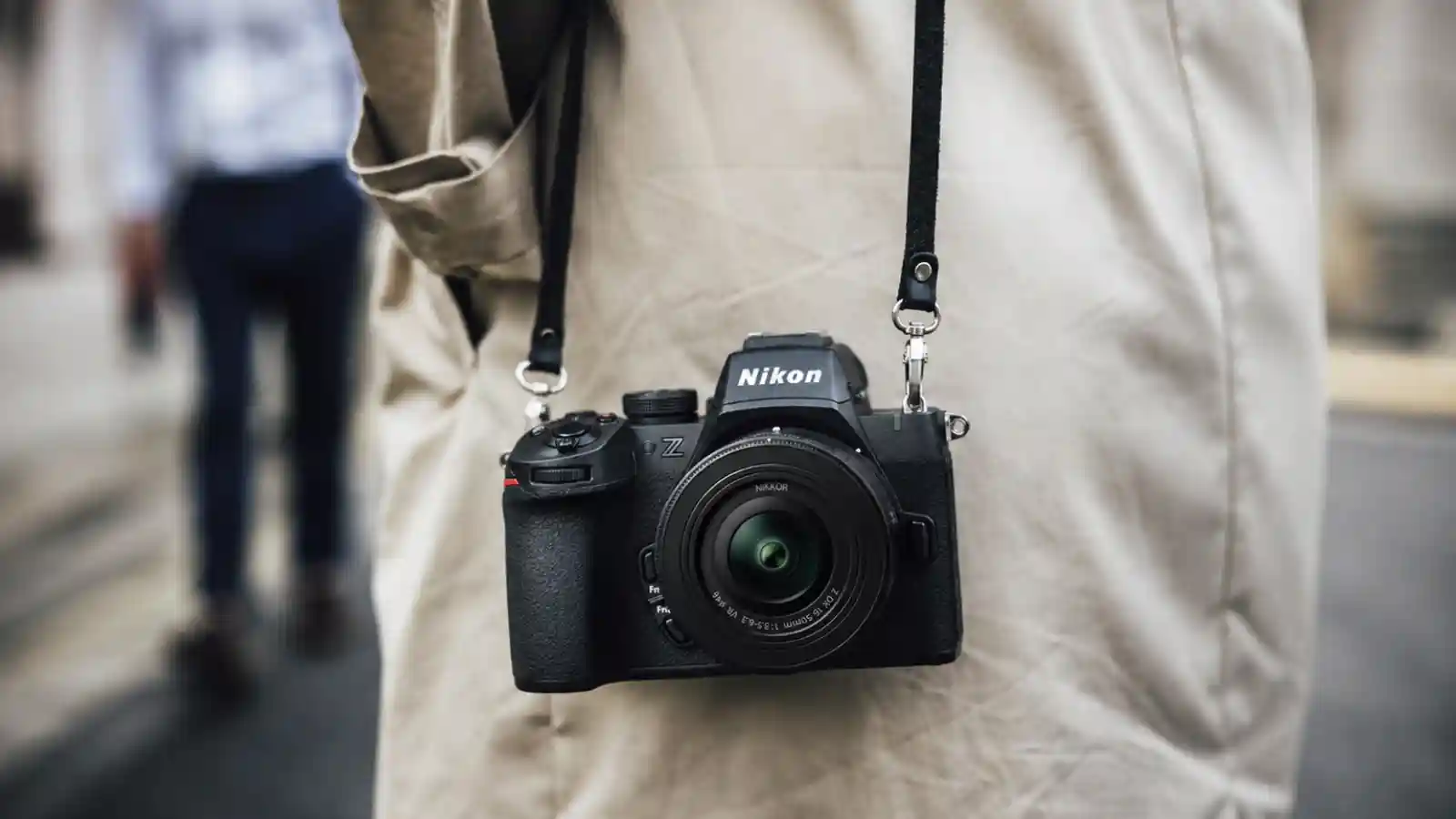
6. Nikon Z50 II Review | Best Budget Nikon Z Camera for Beginners and Travel
Nikon Z50 II
The Nikon Z50 II is the easiest way to enter the Nikon Z system. It is compact, lightweight, beginner-friendly, and gives good image quality with useful autofocus features.
It is a smart pick for travel, family photos, casual wildlife, and content creation.
Pros
- Affordable entry into the Nikon Z system
- Small and travel-friendly
- Good autofocus and subject detection for the price
- Useful for beginners, family, and casual creators
- DX sensor gives extra reach
- Strong value with compact kit lenses
Cons
- Not as strong in low light as full-frame bodies
- Less background blur than full-frame
- Single card slot
- Smaller DX lens ecosystem than full-frame Z
- Walking video may need a gimbal
Best for: Beginners, travel, family, casual wildlife, content creation prints
Best reason to buy: Strong value in a smaller Nikon Z body
The Nikon Z50 II is the easiest entry point into the Nikon Z system.
It is smaller, lighter, and more affordable than the full-frame bodies, but still gives you modern autofocus, subject detection, good image quality, and access to the Nikon Z mount.
For beginners, travel users, family photography, casual wildlife, and content creation, it makes a lot of sense.
The DX sensor also gives your lenses a tighter field of view, which can help with distant subjects.
Key Specs
- 20.9MP DX / APS-C CMOS sensor
- EXPEED 7 image processor
- Approx. 550g with battery and memory card
- Subject detection AF
- 3D Tracking
- Up to 11 fps RAW shooting
- Up to 30 fps JPEG shooting
- 4K video support
- Single UHS-II SD card slot
- Compact DX body design
Who Should Buy the Nikon Z50 II
Buy the Nikon Z50 II if you want your first Nikon Z camera, a compact travel body, a family camera, or a smaller backup camera that still uses the Z mount.
Who Should Avoid It?
Avoid it if you need full-frame low-light quality, heavy cropping room, dual-card professional workflow, or maximum portrait background blur.
Drawbacks to Know
The Z50 II is not full-frame, so it will not match the low-light performance or background blur of cameras like the Z6 III, Zf, or Z8.
It also does not give the same professional workflow as higher-end bodies. You get a single SD card slot, smaller files, and a more beginner-friendly system, but not the same backup confidence as dual-slot full-frame cameras.
For walking video, lens VR and electronic stabilization may not be enough. A small gimbal can help if smooth handheld video is important.
Some buyer feedback also points to small usability complaints, like missing printed instructions or button placement annoyances. These are not major deal-breakers, but beginners should expect a learning curve.
Final Verdict
The Nikon Z50 II is the best budget Nikon Z camera for beginners, travel users, and casual creators. It is not a pro full-frame body, but it gives strong value and makes the Nikon Z system much easier to enter.
Complete Technical Specifications Compared
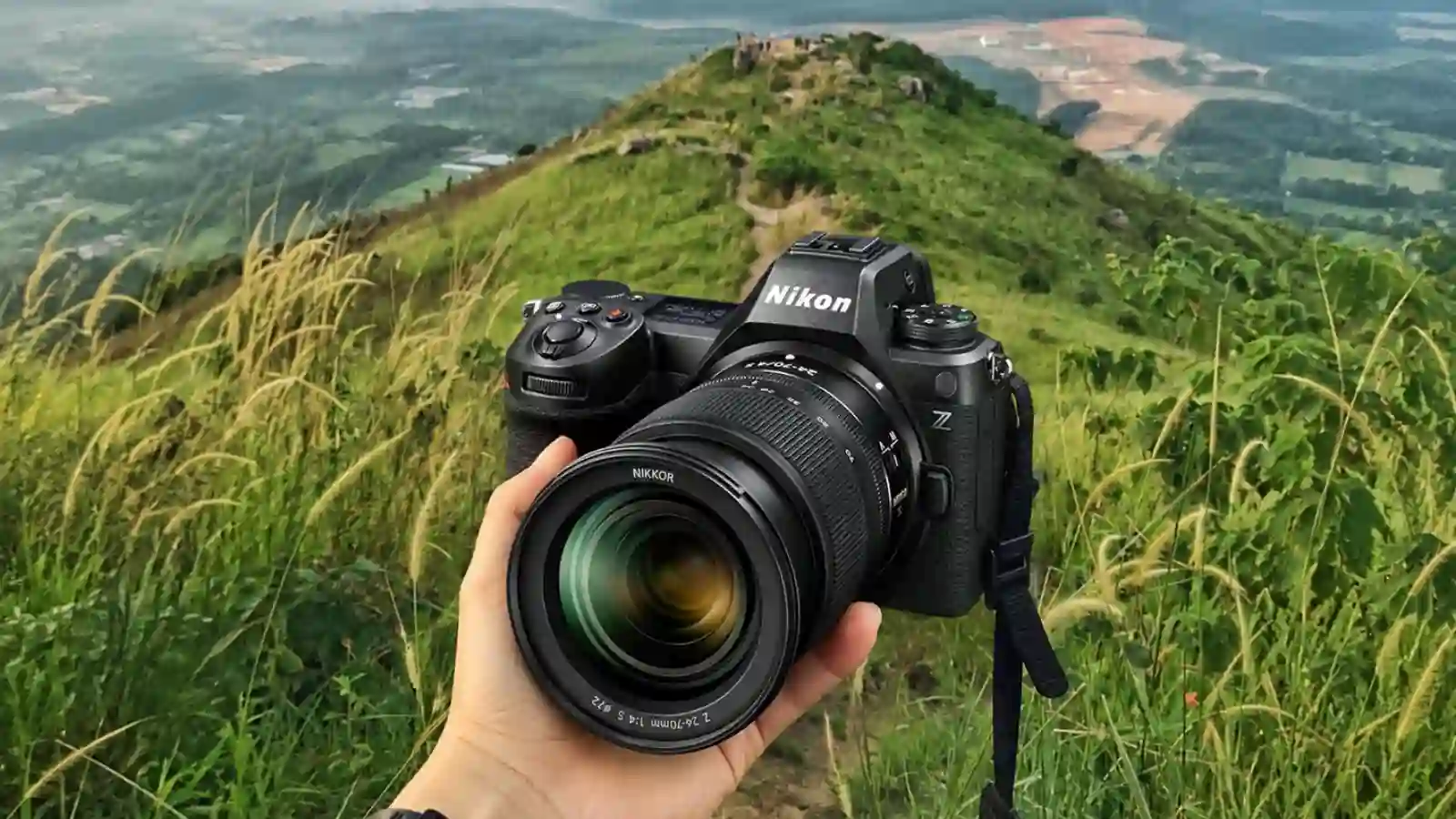
Specs are useful, but only when they explain real photography.
I love learning about new camera tools, but I do not believe every buyer needs to chase the biggest ISO number, highest megapixel count, or fastest burst rate. A spec only matters if it improves your keeper rate, print quality, workflow, or confidence in the field.
This section keeps the technical details simple.
Full Nikon Z Specs Comparison
| Camera | Sensor / Resolution | Native ISO | Stabilization | Card Slots | Battery | Weight |
|---|---|---|---|---|---|---|
| Nikon Z8 | 45.7MP full-frame stacked CMOS | ISO 64-25,600 | 5-axis IBIS, up to 5.5 stops / 6 stops with Synchro VR | CFexpress Type B / XQD + SD | EN-EL15c | Approx. 910g |
| Nikon Z6 III | 24.5MP full-frame partially-stacked CMOS | ISO 100-64,000 | 5-axis IBIS, up to 8 stops | CFexpress Type B / XQD + SD | EN-EL15c | Approx. 760g |
| Nikon Z9 | 45.7MP full-frame stacked CMOS | ISO 64-25,600 | 5-axis IBIS, up to 6 stops with Synchro VR | Dual CFexpress Type B / XQD | EN-EL18d | Approx. 1340g |
| Nikon Zf | 24.5MP full-frame BSI CMOS | ISO 100-64,000 | 5-axis IBIS, up to 8 stops | SD + microSD | EN-EL15c | Approx. 710g |
| Nikon Z7 II | 45.7MP full-frame BSI CMOS | ISO 64-25,600 | 5-axis IBIS, up to 5 stops | CFexpress Type B / XQD + SD | EN-EL15c | Approx. 705g |
| Nikon Z50 II | 20.9MP DX / APS-C CMOS | ISO 100-51,200 | No in-body IBIS, lens VR supported | Single UHS-II SD | EN-EL25a | Approx. 550g |
1. Resolution, ISO Range & Dynamic Range in Practical Terms
For web, social media, and normal prints, all these cameras can deliver clean results with good exposure. For large prints or heavy cropping, the 45.7MP bodies give more room. For high-volume event work, 24MP files are often easier to edit, store, and deliver.
Expert tip: Do not overthink high-ISO debates without context. A little noise is usually fine online, but missed focus or underexposure is much harder to fix.
| If You Need | Better Choice |
|---|---|
| Large prints, landscapes, studio work, heavy cropping | 45.7MP bodies: Z8, Z9, Z7 II |
| Weddings, events, portraits, travel, faster editing | 24MP bodies: Z6 III, Zf |
| Budget travel, family, casual content | 20.9MP DX: Z50 II |
2. IBIS, Weather Sealing & Build
IBIS helps with handheld low-light shots, slow shutter speeds, and non-stabilized prime lenses. It does not freeze moving subjects.
| Best For | Better Nikon Z Choice |
|---|---|
| Tough field use, wildlife, rain, cold, pro work | Z8 or Z9 |
| Weddings, travel, events, mixed work | Z6 III |
| Street and handheld creative work | Zf |
| Landscapes and tripod-based outdoor work | Z7 II |
| Lightweight travel and beginner use | Z50 II |
Nikon Z bodies are weather-resistant, not waterproof. For hiking, beach wind, salt spray, or heavy rain, use a rain cover and clean the camera after the shoot.
3. Cards, Buffer & Shooting Speed
Card speed matters most when you shoot action, RAW bursts, or high-end video.
| Camera | Card Setup | Best Use |
|---|---|---|
| Z8 | CFexpress/XQD + SD | Wildlife, sports, 8K video, long bursts |
| Z6 III | CFexpress/XQD + SD | Weddings, events, hybrid work, RAW video |
| Z9 | Dual CFexpress/XQD | Full-time sports, news, wildlife |
| Zf | SD + microSD | Portraits, street, travel |
| Z7 II | CFexpress/XQD + SD | Landscapes, studio, controlled work |
| Z50 II | Single UHS-II SD | Beginners, travel, family |
Expert tip: Do not buy CFexpress just because it sounds professional. You need it most for Z8, Z9, and Z6 III when shooting fast RAW bursts or high-end video. For portraits, landscapes, and travel, good UHS-II SD cards are often enough.
4. Mechanical vs Electronic Shutter
| Camera | Shutter Style | Practical Meaning |
|---|---|---|
| Z8 / Z9 | Electronic shutter only | Fast, silent, strong for action because of stacked sensors |
| Z6 III / Zf / Z7 II / Z50 II | Mechanical + electronic options | More flexibility for flash, LED lights, quiet shooting, and controlled work |
Electronic shutter is great for silent shooting and fast action. Mechanical shutter or electronic front-curtain shutter is often safer for flash and artificial lighting.
5. Battery & Power System
| Battery Family | Cameras |
|---|---|
| EN-EL15c | Z8, Z6 III, Zf, Z7 II |
| EN-EL18d | Z9 |
| EN-EL25a | Z50 II |
If you already own Nikon bodies that use EN-EL15 batteries, the Z8, Z6 III, Zf, and Z7 II are easier to add to your kit. The Z9 gives stronger battery confidence, but it uses a different pro battery system.
For travel, USB-C charging is useful. Still, carry at least one spare battery if you shoot all day.
The Z Mount Ecosystem & Your Existing Glass
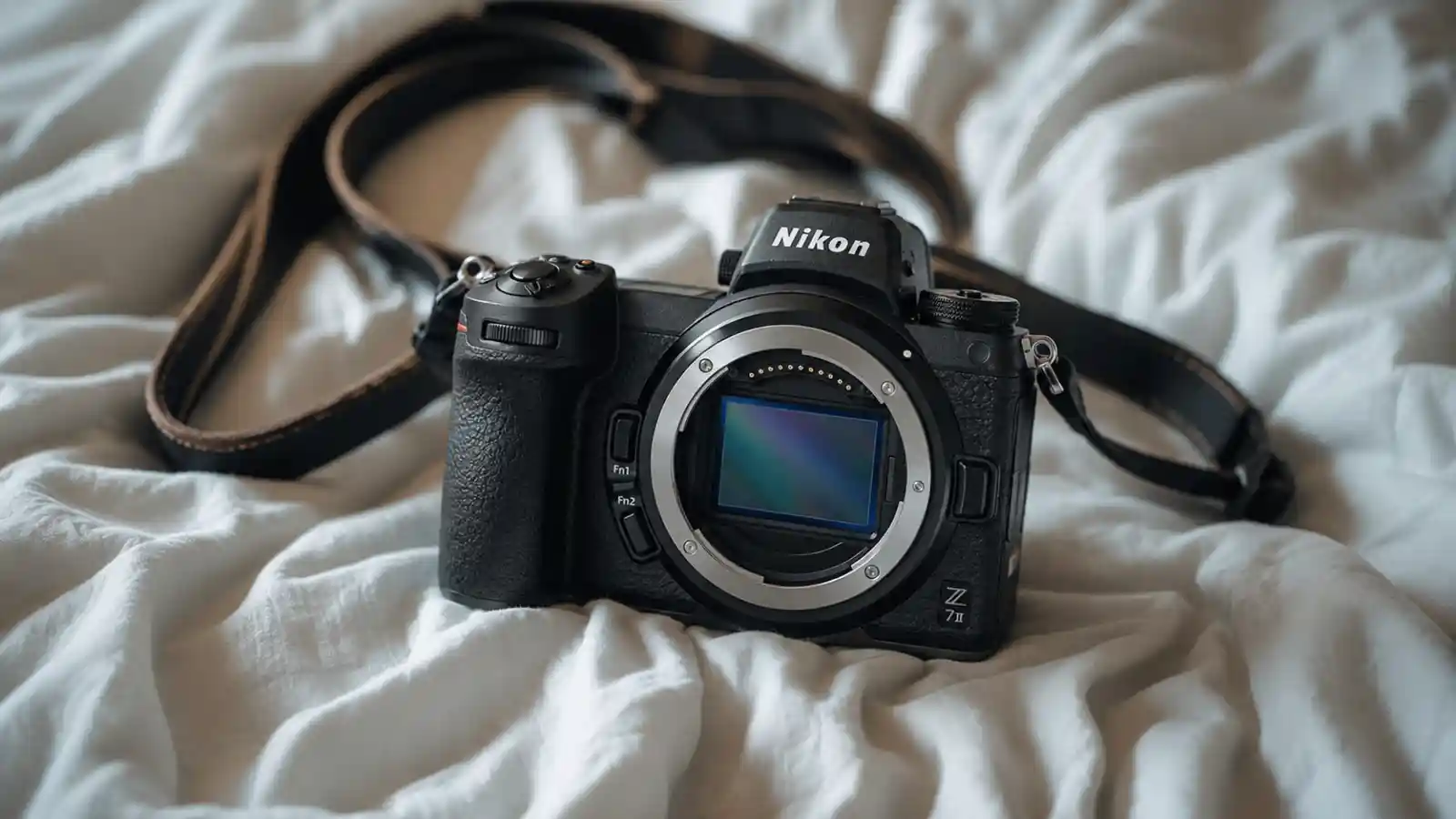
Moving to Nikon Z does not mean you must replace every lens on day one.
If you already own Nikon F-mount lenses, the smarter question is: which lenses are still worth adapting, and which ones should be replaced with native Z glass?
Why Native Z Lenses Matter
The Nikon Z mount has a wider opening and shorter flange distance than the old F mount. In real use, this gives Nikon more room to design sharper wide-angle lenses, better corner performance, and less vignetting.
You will notice this most in landscapes, architecture, weddings, and studio work.
Nikon’s S-Line lenses are the premium Z lenses. They usually offer stronger sharpness, better coatings, smoother autofocus, and more consistent image quality across the frame.
Best Native Z Lenses by Genre
| If You Shoot | Start With |
|---|---|
| Landscapes | Z 14-30mm f/4 S or Z 20mm f/1.8 S |
| Weddings & events | Z 24-70mm f/2.8 S, Z 70-200mm f/2.8 S, or Z 85mm f/1.8 S |
| Portraits | Z 50mm f/1.8 S, Z 85mm f/1.8 S, or Z 135mm Plena |
| Wildlife & sports | Z 180-600mm VR, Z 100-400mm VR S, or pro Z telephoto glass |
| Travel | Z 24-120mm f/4 S, Z 24-200mm VR, Z 40mm f/2, or DX 16-50mm VR |
| Macro / product | Z MC 105mm f/2.8 VR S |
FTZ II Adapter: F-Mount Reality Check
The Nikon FTZ II is the easiest bridge for DSLR users moving to Nikon Z. It lets many F-mount lenses work on Z bodies without adding glass inside the adapter, so the adapter itself does not reduce optical quality.
FTZ II is also cleaner than the original FTZ because it removes the tripod-foot bump. That gives better clearance with grips, tripod plates, and vertical shooting setups.
For compatibility, keep this simple:
- AF-S, AF-P, and AF-I lenses: usually keep autofocus and auto exposure.
- AF-D screw-drive lenses: manual focus only.
- AI / AI-S manual lenses: manual focus only.
- Third-party F lenses: check firmware and user reports first.
Which F-Mount Lenses Should You Keep?
Keep lenses that still give you clear value: sharp primes, expensive telephotos, macro lenses, tilt-shift lenses, and manual lenses with character.
Consider selling older soft zooms, noisy lenses, heavy lenses you rarely carry, or lenses already beaten by native Z options. High-resolution Z bodies can make weak corners and old lens flaws more visible.
Hidden Cost to Remember
For DSLR upgraders, the FTZ II can become part of the real upgrade cost. So do not judge the price by the camera body alone.
Add the adapter, memory cards, extra batteries, filters, and at least one native Z lens into your budget.
Simple Lens Strategy
Start with FTZ II for your best F-mount glass.
Then replace the lens you use most with a native Z version. That gives you the biggest improvement without forcing you to rebuild your full kit at once.
Native Z glass is the better long-term path, but good F-mount lenses do not become useless overnight.
From DSLR to Z: The Migration Roadmap
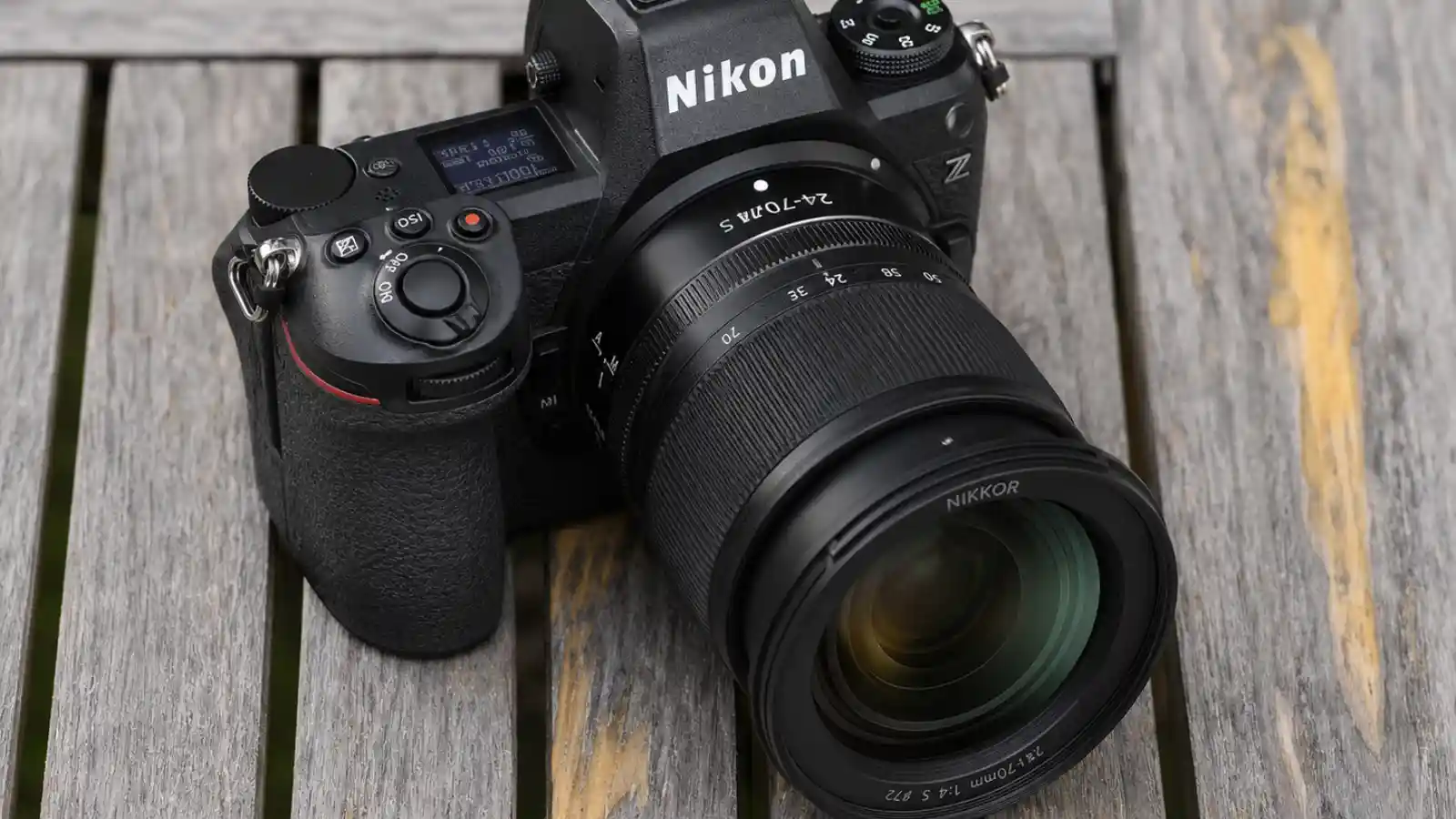
Switching from a Nikon DSLR to Nikon Z can feel strange at first. You lose the optical viewfinder, battery life feels different, and your old button muscle memory needs time to adjust.
But the move becomes easier when you choose the Z body closest to your DSLR style.
Best Nikon Z Upgrade by DSLR Body
- If you use a Nikon D850: choose the Nikon Z8. It keeps the high-resolution feel, but adds faster autofocus, stronger speed, better video, and more modern subject tracking.
- If you use a Nikon D750: consider the Nikon Zf. It gives full-frame low-light quality, classic Nikon styling, and a familiar photography-first feel with newer autofocus.
- If you use a Nikon D500: look at the Nikon Z8 or Z6 III. There is no direct Z-mount D500 replacement, so the Z8 is better for speed and wildlife, while the Z6 III is the more affordable mixed-use option.
- If you use a Nikon D3500 or D5600: start with the Nikon Z50 II. It keeps the APS-C reach familiar, costs less than full-frame, and feels easier for travel, family, and beginner photography.
What Changes After Switching?
The EVF may feel odd at first because it is not the same as an optical viewfinder. But it gives you useful tools like exposure preview, focus peaking, highlight warnings, and better low-light viewing.
Mirrorless cameras also use more battery, so carry a spare and use USB-C charging when traveling.
If you already own good F-mount lenses, start with the FTZ II adapter. Then replace your most-used lens with a native Z lens when your budget allows.
The goal is simple: move to Nikon Z without losing the shooting habits that already work for you.
Handling in the Field: What Spec Sheets Hide
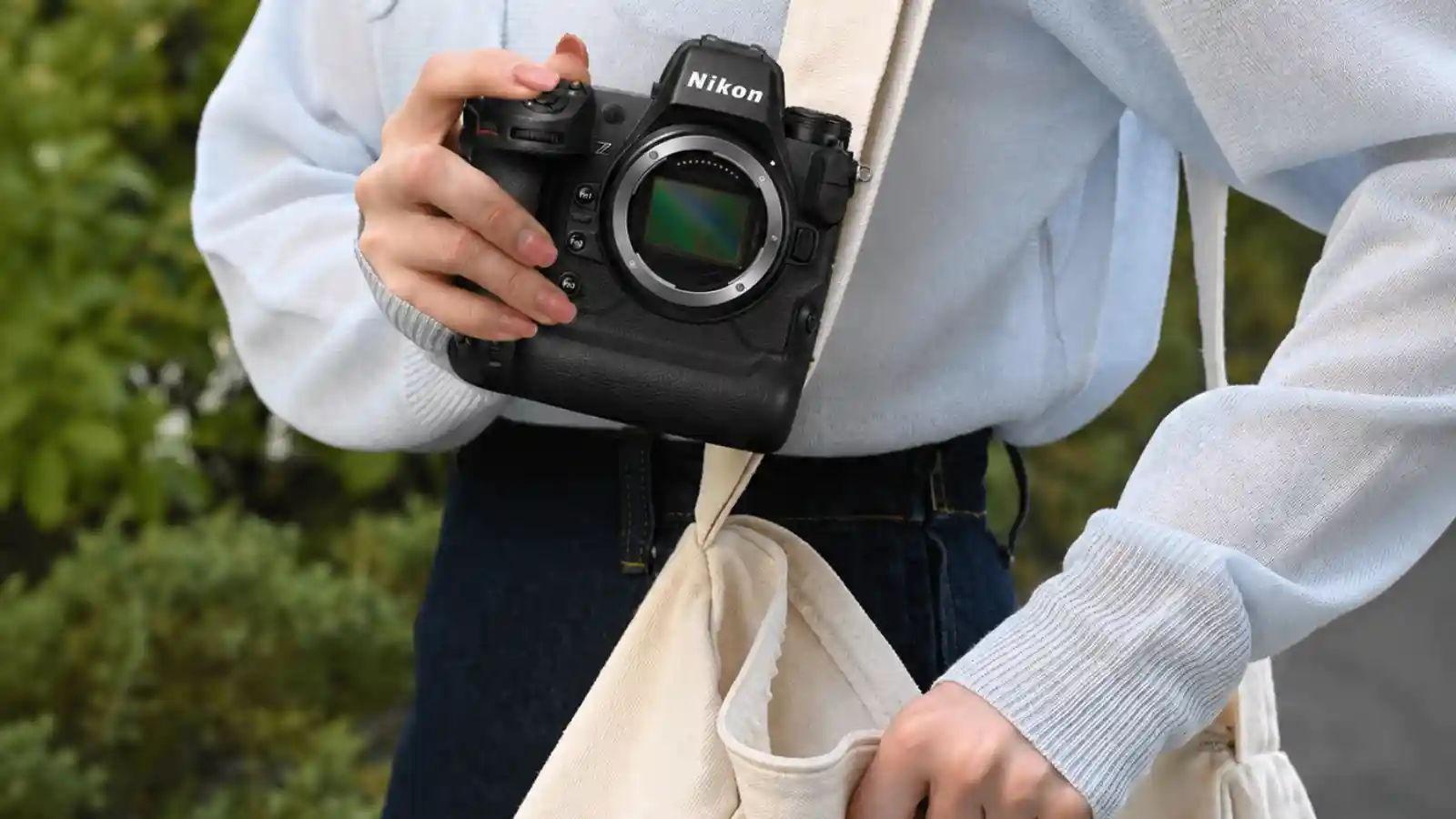
A Nikon Z camera can look perfect on paper but still feel wrong after a long shoot. Grip shape, button layout, EVF comfort, lens balance, and weather protection all matter in real use.
1. Controls, EVF & Muscle Memory
The Z8 and Z9 feel best for Nikon DSLR veterans because they have more buttons, deeper customization, and pro-style controls.
The Z6 III is the easier middle ground, while the Z50 II keeps things simple for beginners and travel users.
The Zf is different. Its retro dials look beautiful and feel fun, but they can slow you down if you are used to modern DSLR controls.
The EVF may also feel strange at first, especially if you love an optical viewfinder. But it gives useful tools like exposure preview, focus peaking, highlight warnings, and better low-light viewing.
Quick tip: Set your Fn buttons, back-button focus, and custom modes early. It helps your DSLR muscle memory transfer faster.
2. Grip, Weight & Lens Balance
Handling depends on your full kit, not just the camera body.
| Camera | Field Handling Feel |
|---|---|
| Z8 | Best pro balance without full Z9 weight |
| Z6 III | Comfortable all-round grip for weddings, events, and travel |
| Z9 | Heavy, but excellent with big telephoto lenses |
| Zf | Best with compact primes, less ideal with heavy zooms |
| Z7 II | Good for careful landscape and studio work |
| Z50 II | Lightest and easiest for casual carry |
- Test the grip before buying if possible. The Zf can cramp large hands during long shoots, while the Z9 can feel too heavy for casual walking but excellent with telephoto lenses.
- If you use adapted F-mount lenses, FTZ II improves clearance compared with the original FTZ. Still, heavy lenses need proper support on a tripod or monopod.
- For Z8 users, a genuine Nikon battery grip can improve vertical handling, extend runtime, and help resale value later.
3. Weather Sealing & Real Field Use
Weather sealing helps, but it does not make a camera waterproof.
For rain, dust, cold mornings, hiking, or beach wind, the Z8, Z9, Z6 III, and Z7 II are the safer choices. The Z50 II is easier to carry, but it is not built like Nikon’s pro bodies.
Before field work, check the small things:
- Card door
- Battery door
- Port covers
- Lens mount gasket
- Rain cover
- Spare batteries for cold weather
The simple rule is this: buy the Nikon Z body that fits your hands, your lenses, and your worst shooting conditions, not just the one with the best spec sheet.
True Cost of Ownership: What You’ll Actually Spend
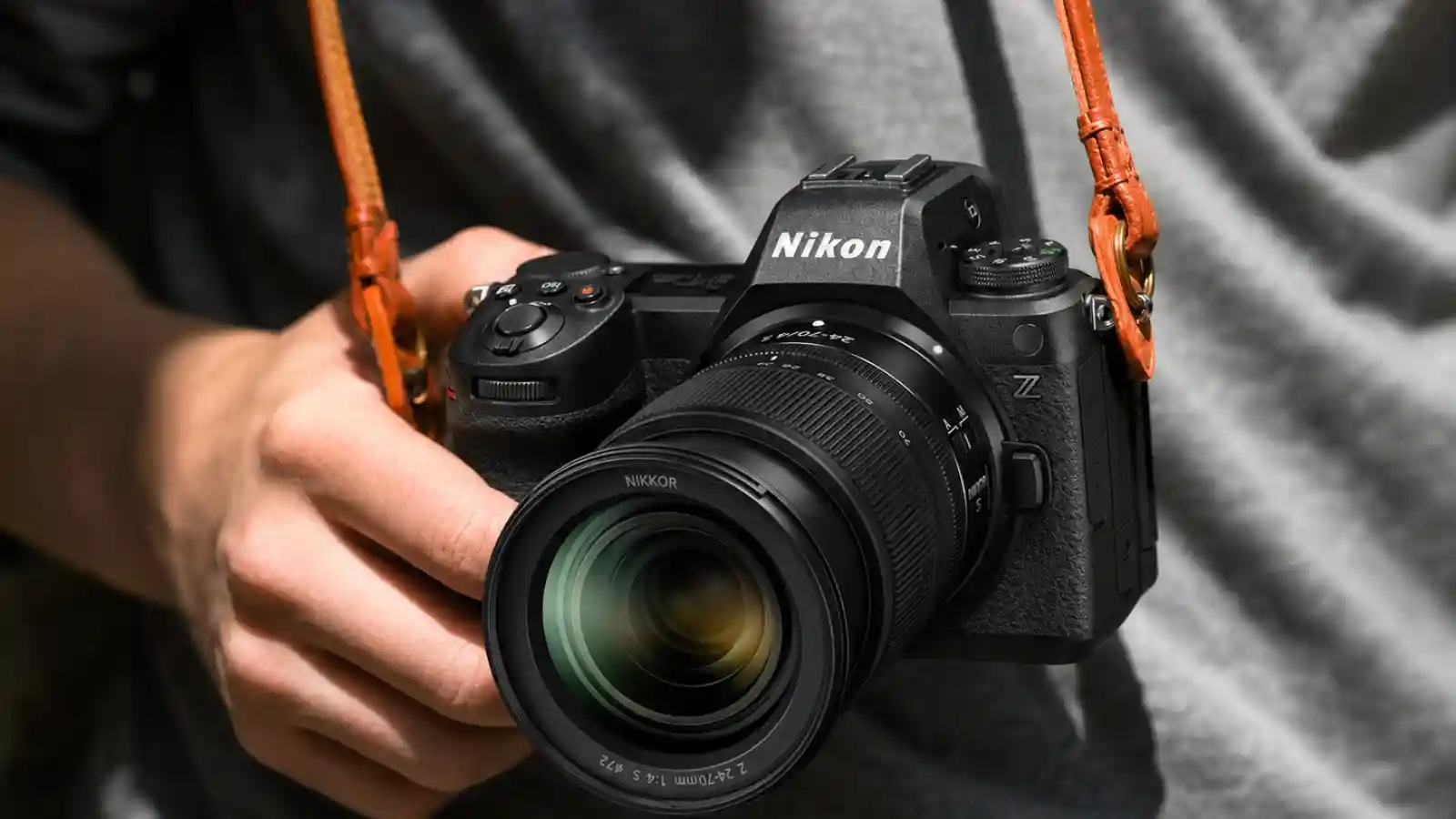
The Nikon Z body is only one part of the cost. Before buying, also count memory cards, card readers, batteries, chargers, grips, the FTZ II adapter, and native Z lenses.
Main Hidden Costs
| Cost Area | What to Know |
|---|---|
| Memory cards | Z8 and Z9 need CFexpress Type B for best speed. Z6 III also benefits from it for RAW video and fast bursts. CFexpress cards and readers cost more than SD, while Zf, Z7 II, and Z50 II can work well with good SD cards for normal shooting. |
| Batteries & chargers | Z8, Z6 III, Zf, and Z7 II use EN-EL15c. Z9 uses EN-EL18d, so it has a different battery and charger system. Z50 II uses EN-EL25a. |
| FTZ II adapter | DSLR upgraders may need FTZ II to keep using F-mount lenses. Add this to your real upgrade budget. |
| Native Z lenses | Z lenses give the best long-term performance, but they can cost more than used F-mount glass. Replace your most-used lens first. |
| Refurbished bodies | Z6 II and Z7 II can still be smart value buys in 2026 if you do not need the newest autofocus or stacked-sensor speed. Buy refurbished only from Nikon, authorized dealers, or trusted camera stores. |
Simple Budget Advice
Do not ask only, “Can I afford the camera body?”
Ask if you also need CFexpress or SD cards, a card reader, extra batteries, FTZ II adapter, a battery grip, or one native Z lens.
The best Nikon Z camera is the one that fits your full system budget, not just your body budget.
Firmware History & 2026–2028 Longevity Outlook
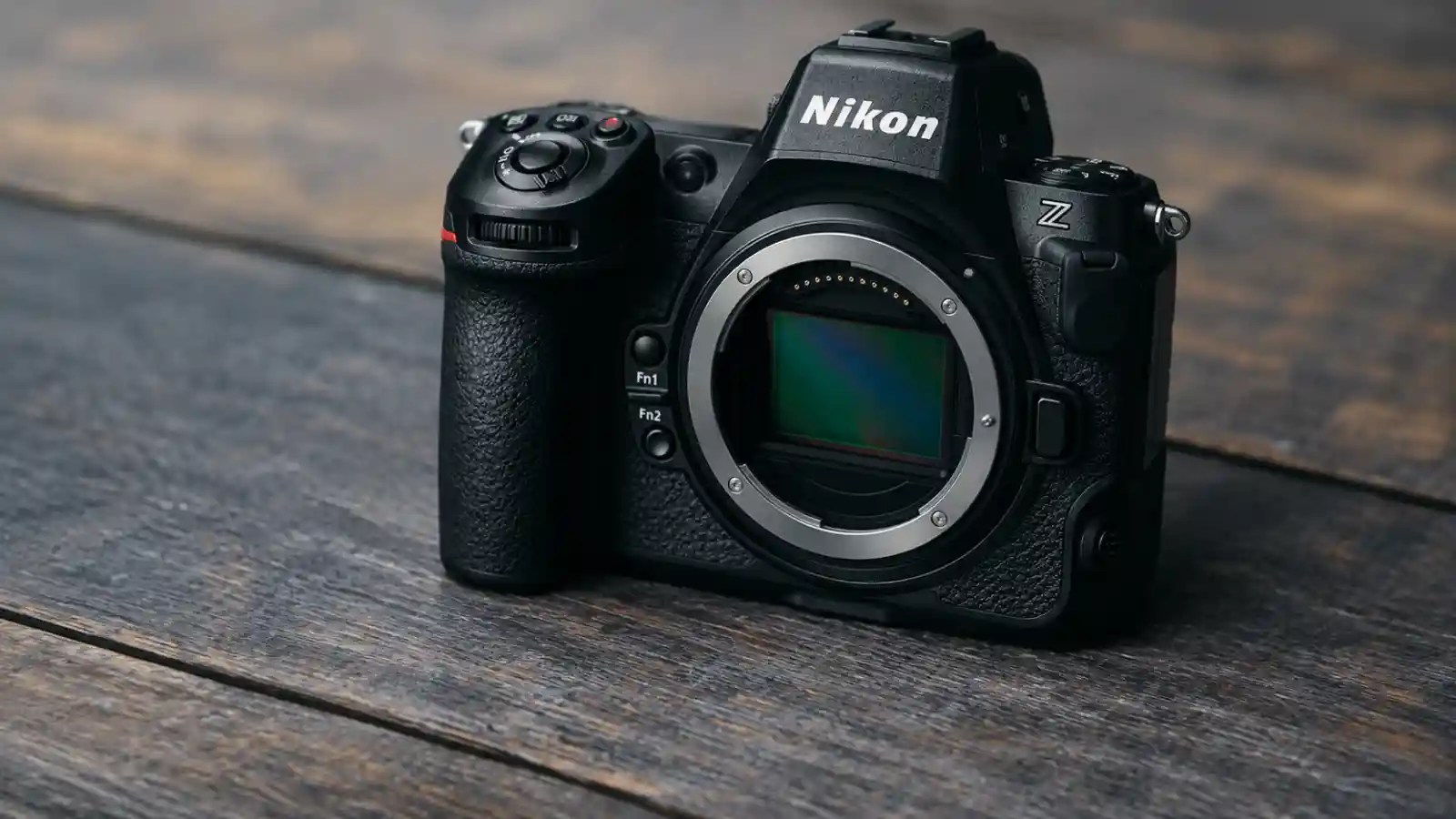
Firmware support matters because some Nikon Z cameras improve after launch, while others mostly stay the same.
For long-term value, look at one thing: is Nikon still adding useful features, or only small fixes?
Which Bodies Improved Most?
- Z8 and Z9: strongest long-term confidence. These bodies received meaningful updates for autofocus, Auto Capture, Pixel Shift, video tools, and pro workflow.
- Z6 III: strong future outlook because Nikon has already added useful updates early in its life.
- Zf: good support story, especially for creative features, bird detection, and workflow improvements.
- Z50 II: still new, so its firmware history is early.
- Z7 II: mature and stable, but not evolving as much as newer EXPEED 7 bodies.
Resale & Obsolescence Outlook
- The Z8 should stay relevant the longest for most photographers because it combines speed, resolution, and strong firmware support.
- The Z9 should hold value for professionals, but its size and price limit the buyer pool.
- The Z6 III has strong resale potential because it fits weddings, events, portraits, low light, and hybrid work.
- The Z7 II is still useful for landscapes and studio work, but its older autofocus may age faster.
Should You Wait?
Wait only if your current camera still does the job or you expect a replacement soon.
Buy now if the camera solves a real problem today: better autofocus, better low-light work, faster workflow, or stronger video.
Simple take: Z8, Z9, Z6 III, and Zf feel safer for 2026–2028. Z7 II is still a value pick for image quality, but not for future autofocus growth.
FAQs About Nikon Z Cameras
What is the best Nikon Z camera for photography in 2026?
The Nikon Z8 is the best overall Nikon Z camera for photography in 2026 because it gives the strongest mix of resolution, speed, autofocus, and professional flexibility.
Is the Nikon Z6 III better than the Nikon Z8?
The Nikon Z6 III is better for most photographers who want smaller files, lower cost, and strong low-light performance. The Nikon Z8 is better for wildlife, sports, heavy cropping, and professional all-around work.
Which Nikon Z camera is best for wildlife photography?
The Nikon Z8 is the best Nikon Z camera for wildlife for most users because it offers fast autofocus, stacked-sensor speed, 45.7MP resolution, and a smaller body than the Z9.
Which Nikon Z camera is best for weddings?
The Nikon Z6 III is the best Nikon Z camera for weddings for most photographers because it gives strong autofocus, good low-light performance, manageable 24.5MP files, and strong hybrid photo-video features.
Is the Nikon Z7 II still worth buying in 2026?
Yes, the Nikon Z7 II is still worth buying if you shoot landscapes, studio work, products, architecture, or large prints. It is not the best choice for fast action because its autofocus is older than newer EXPEED 7 bodies.
Is the Nikon Zf good for professional photography?
The Nikon Zf can be used professionally for portraits, street, travel, and creative work. But for long weddings, sports, wildlife, or heavy zoom lenses, the Z6 III or Z8 is usually more practical.
Is the Nikon Z50 II good for beginners?
Yes, the Nikon Z50 II is a strong beginner camera because it is smaller, lighter, more affordable, and still gives access to the Nikon Z mount system.
Should Nikon DSLR users move to Nikon Z?Should Nikon DSLR users move to Nikon Z?
Yes, Nikon DSLR users should consider moving to Nikon Z if they want better autofocus, subject detection, EVF tools, modern video, and access to native Z lenses. Good F-mount lenses can still be used with the FTZ II adapter.
Do I need Nikon Z lenses, or can I use F-mount lenses?
You can use many F-mount lenses with the FTZ II adapter, but native Z lenses usually give better autofocus, balance, sharpness, and long-term performance.
Should I wait for the next Nikon Z camera?
Wait only if your current camera still does the job or you expect a replacement soon. Buy now if a current Nikon Z body solves a real problem in your photography today.
Conclusion: Make the Purchase With Confidence
The best Nikon Z camera is not the one with the biggest spec sheet. It is the one that handles your hardest shoot without slowing you down. For some photographers, that means the Z8. For others, the smarter choice may be the Z6 III, Zf, Z7 II, Z9, or Z50 II.
Before buying, think about your real use: wildlife, weddings, landscapes, portraits, travel, or everyday photography.
Also check grip comfort, lens cost, memory cards, batteries, and whether your F-mount glass still makes sense with FTZ II.
If you are ready to upgrade, compare current prices, check trusted sellers, and choose the Nikon Z body that fits your budget and shooting style best.
About HZ Lens Lab
HZ Lens Lab is run by two sisters, Zainab and Humna Khursheed, who are passionate about photography, nature, and cameras. We create research-based guides and reviews using real user experiences.
Our goal is to help beginners, enthusiasts, and professionals make smart decisions when buying cameras and accessories.
We focus on honest advice, detailed comparisons, and actionable recommendations, so you can spend more time capturing great moments rather than guessing which gear to buy.
Review Methodology
At HZ Lens Lab, we select cameras based on real-world user feedback, research, and majority consensus. Every camera is evaluated for:
- Image quality – sharpness, color accuracy, low-light performance
- Autofocus – speed, tracking, and reliability for photos and video
- Ergonomics – handling, comfort, and practical use
- Lens ecosystem – available lenses, upgrade path, and versatility
- Value for money – cost vs features, and long-term usability
We study product specifications, expert opinions, buyer reviews, and repeated user feedback patterns to understand what most real users experience. We do not claim hands-on testing unless we have personally used the product.
We prioritize practical performance over just specs, so our recommendations help you choose a camera that truly fits your photography style and needs.
Other Posts

Sigma BF – Review
Read our Sigma BF review for owner feedback, pros, cons,...
Read More
Nikon Z6III vs Z8
Compare Nikon Z6III vs Z8 for image quality, autofocus, video,...
Read More
Fujifilm X-H2 Review 2026
Our Fujifilm X-H2 review covers image quality, autofocus, 8K video,...
Read More
```html
```