Learn how Nikon Z50 II Pre-Release Capture works, how to...
Read More
The Ultimate Buyer's Guide: Finding the Best Camera for Photography in 2026 (and Beyond)
Last Updated: 9-June-2026 / Content written by Zainab!
BEST CAMERAS FOR PHOTOGRAPHY IN 2026
Chapters
Choosing the right camera can feel confusing, especially when every model looks good and every review says something different.
Maybe you want to capture beautiful landscapes, sharp portraits, travel moments, videos, or action shots. But with so many camera types, features, and price ranges, it is easy to feel stuck.
This guide is here to make that decision easier.
At HZ Lens Lab, we do not pretend to personally test every camera we write about. Instead, we study real user reviews, expert opinions, buyer feedback, and common experiences from photographers around the world. Then we look at what most people are saying.
So instead of confusing you with only technical specs, this guide explains what actually matters in real use. You will learn which cameras are worth considering, what each one is best for, and what problems buyers commonly mention.
By the end, you should have a clearer idea of which camera fits your budget, skill level, and photography style.
Quick Picks: Best Cameras at a Glance
Not sure where to start? Here is a quick look at the cameras in this guide, their approximate body-only price, and what each one is best known for.
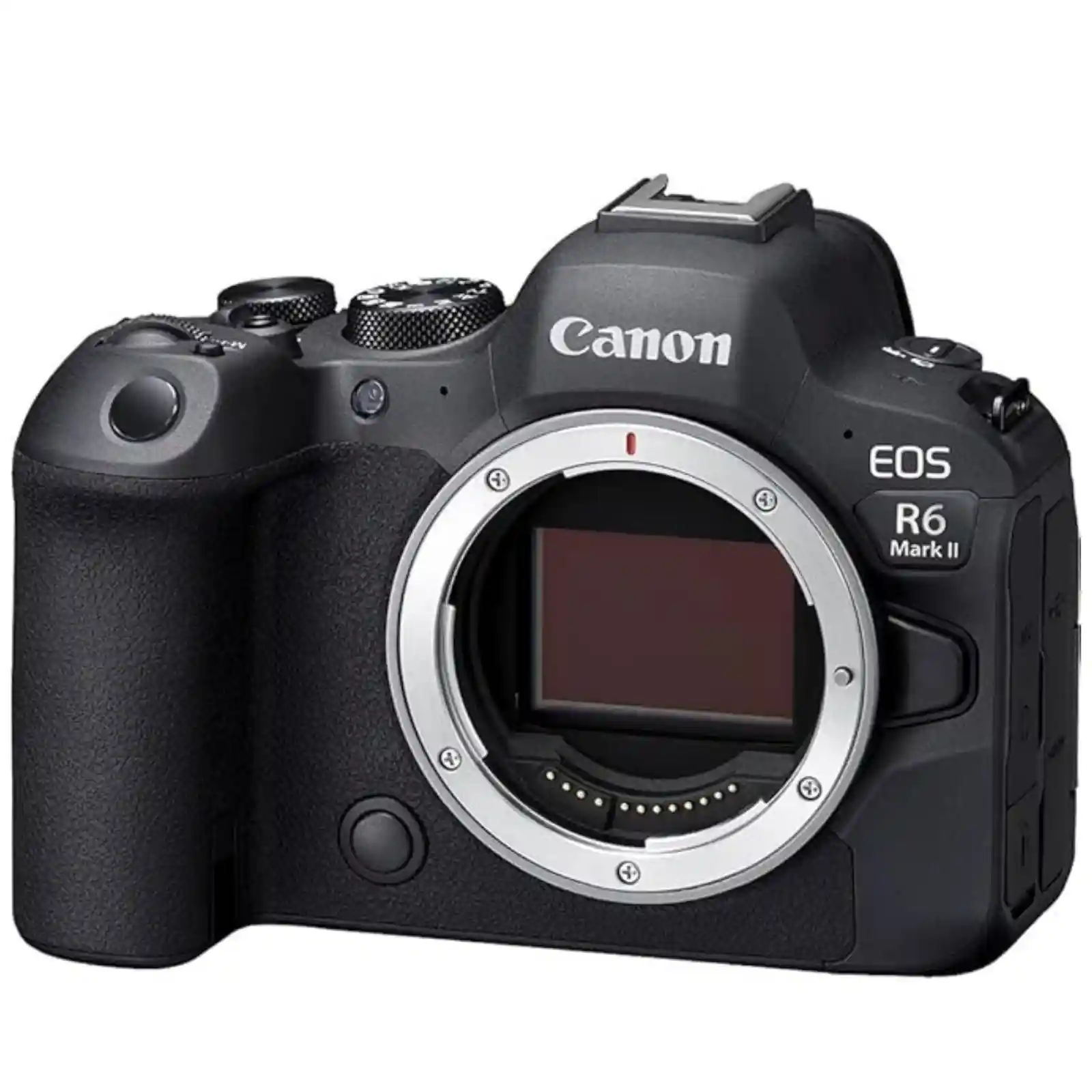
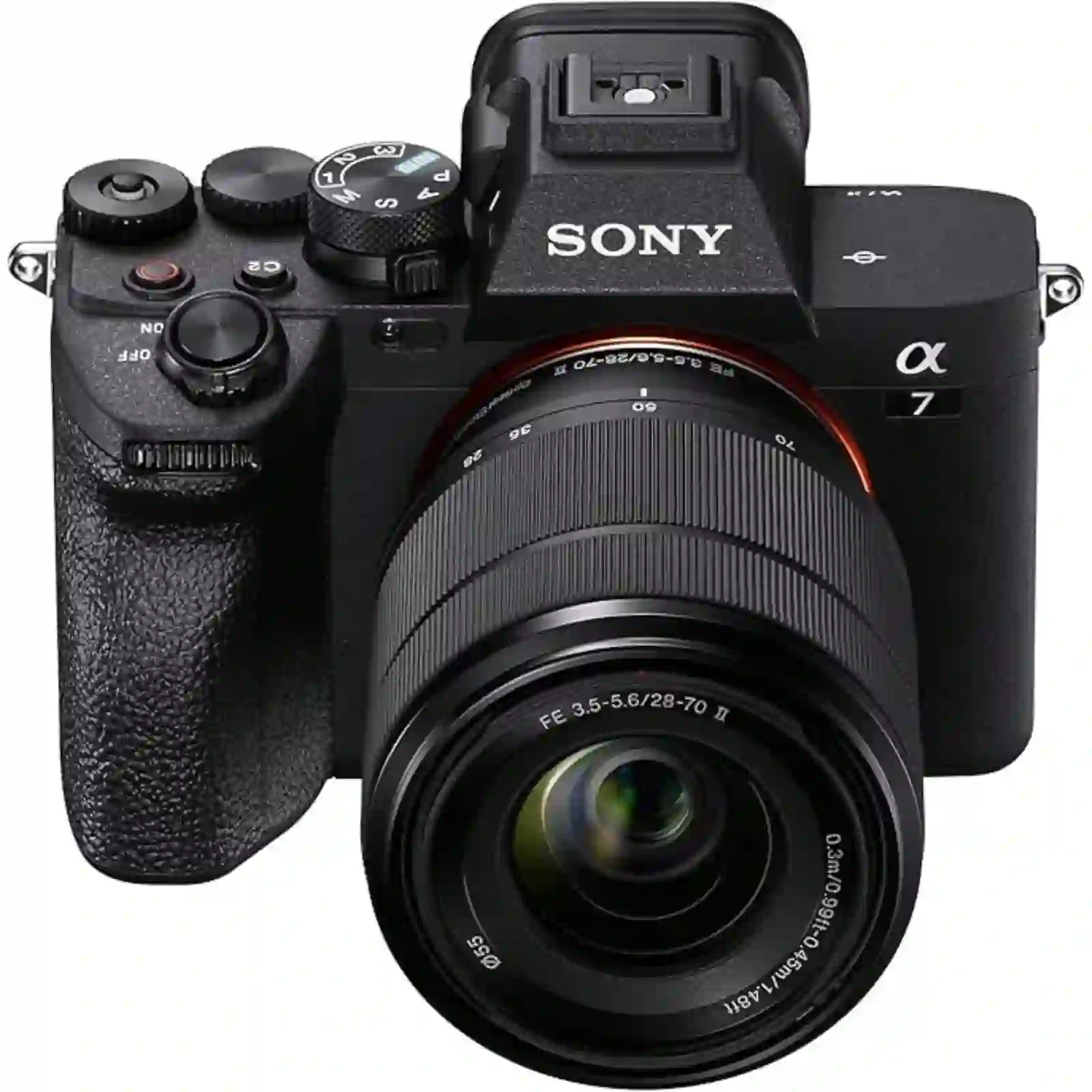
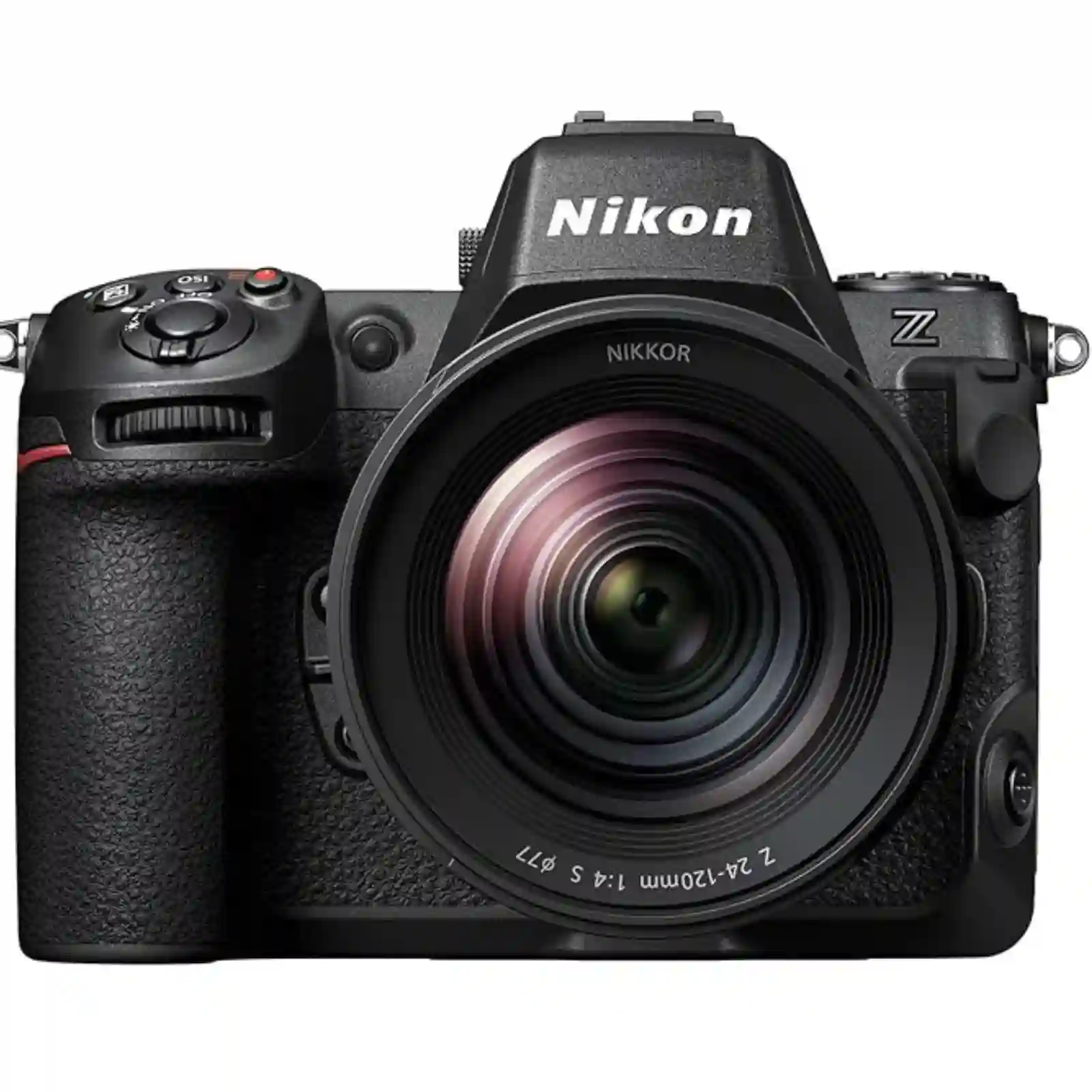
Canon EOS R6 Mark II | Sony Alpha 7 IV | Nikon Z 8 | Olympus OM-1 Mark II | Panasonic LUMIX GH6 | Sony ZV-E10 | Fujifilm GFX100S II |
|---|---|---|---|---|---|---|
 |  |  | 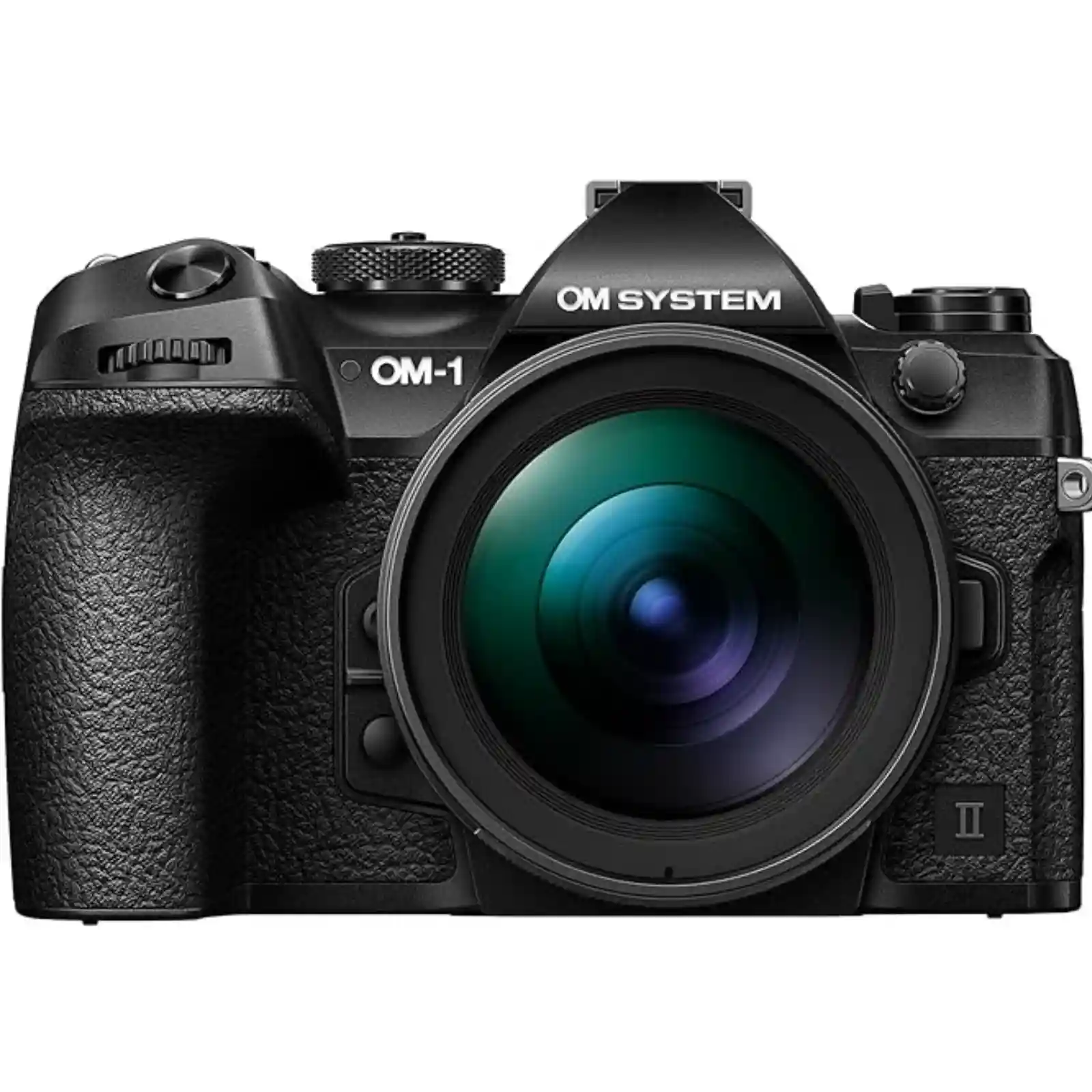 | 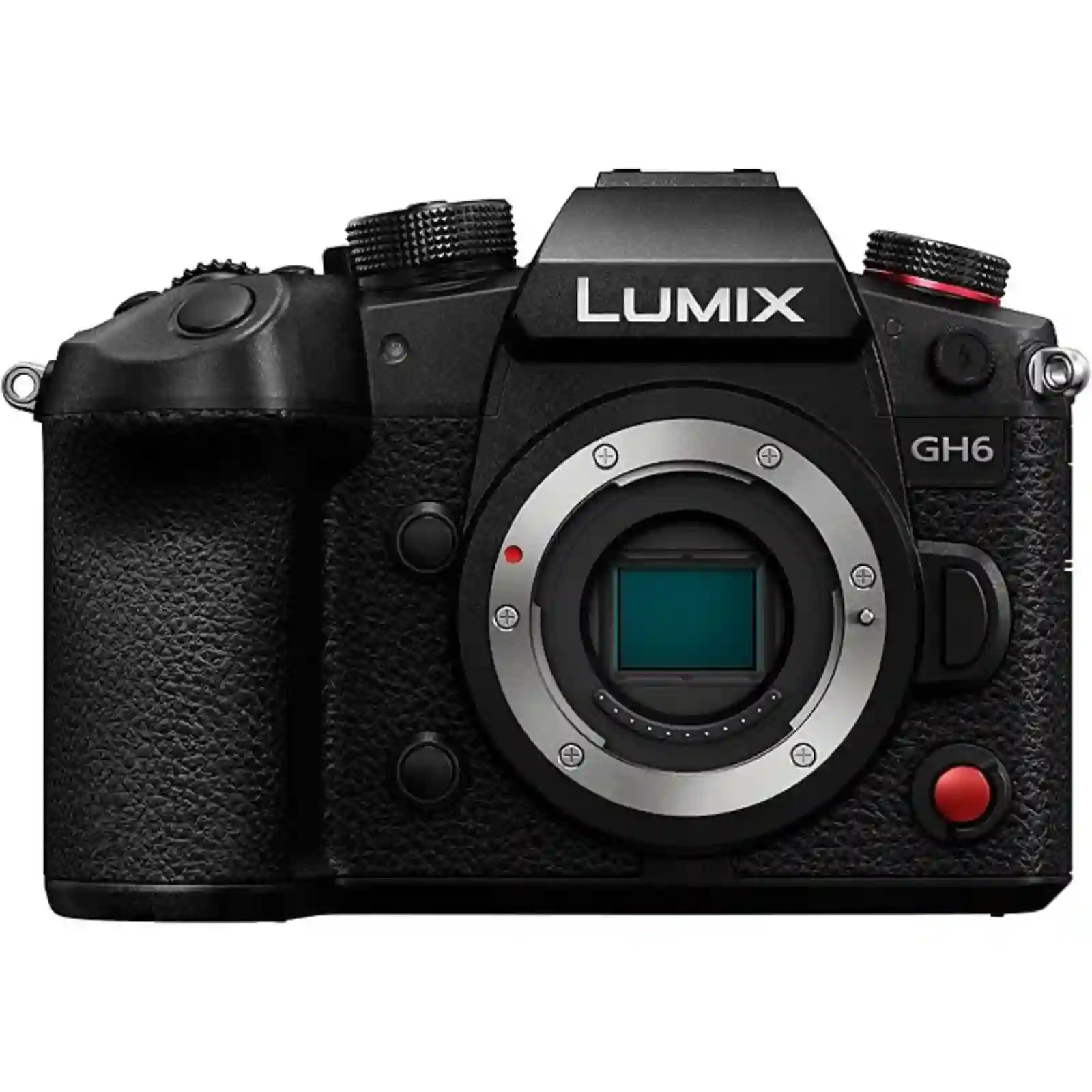 | 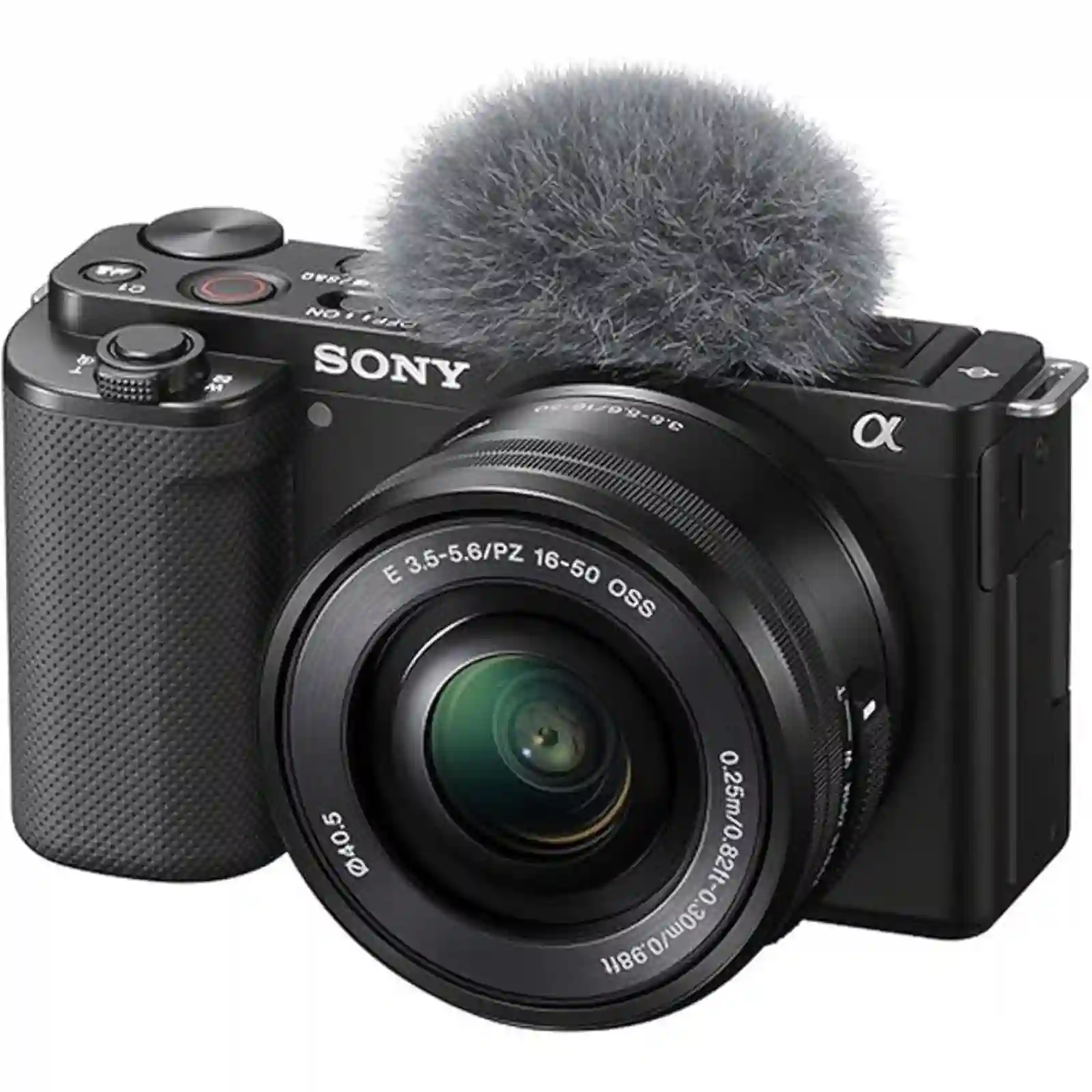 | 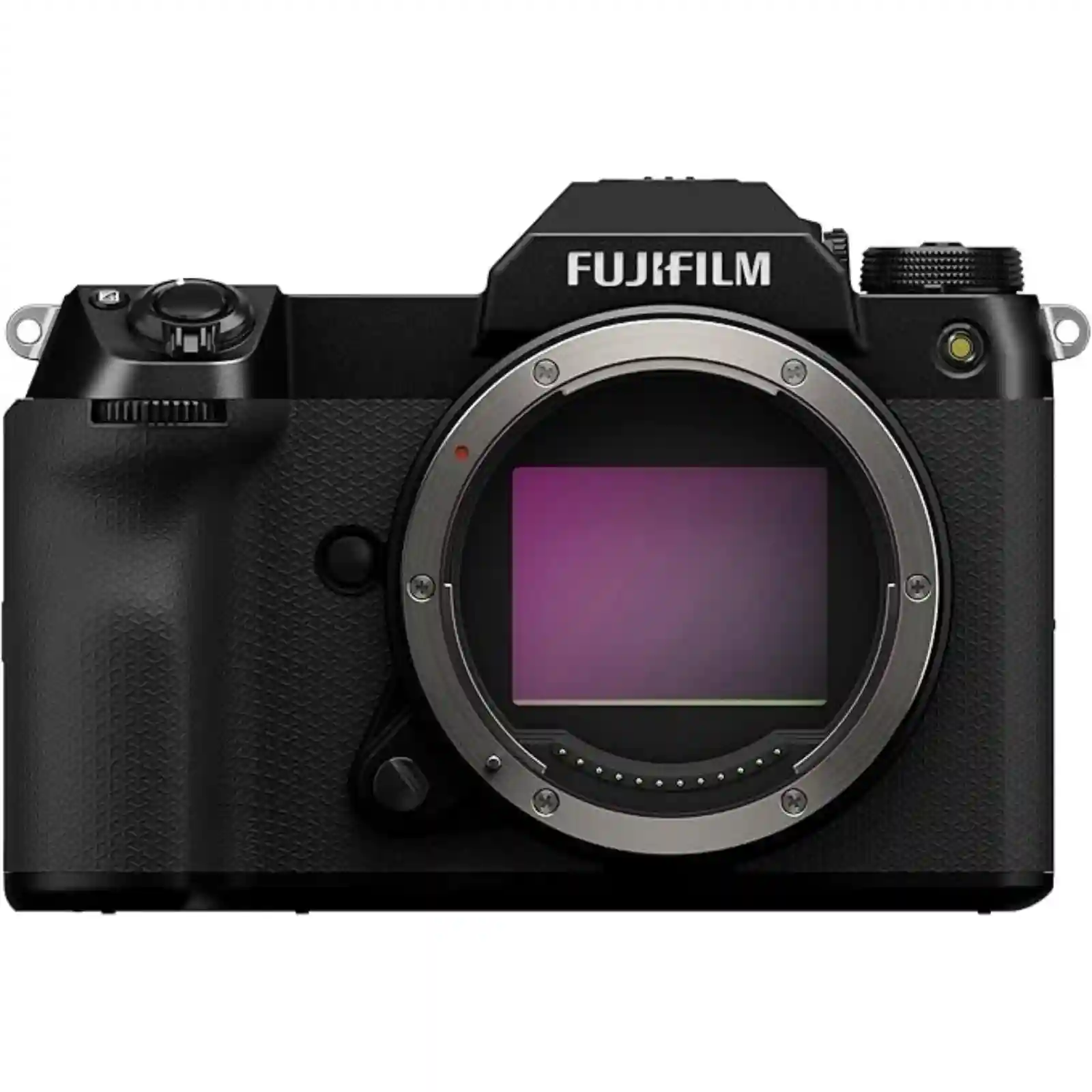 |
Best For Action | Best For Hybrid Photos | Best For Professional | Best For Wildlife | Best For Video | Best For Vlogging | Best For Studio |
⭐️9.5/10 | ⭐️9.2/10 | ⭐️9/10 | ⭐️8.7/10 | ⭐️8.5/10 | ⭐️8.3/10 | ⭐️8/10 |
Find Your Match
Find Your Perfect Camera
Answer a few simple questions and get camera recommendations based on your budget, photography style, experience level, video needs, and portability preference.
Your Results
Your Best Camera Matches
Based on your answers, these cameras may fit your needs best. This tool gives a helpful starting point, but always compare the latest prices, lenses, and real user feedback before buying.
Note: These recommendations are based on general use cases, camera features, and practical buying logic.
Prices and availability can change by retailer, country, kit option, and discounts.
Camera Evaluation Methodology
At HZ Lens Lab, we want you to understand exactly how our camera reviews are created. We do not personally buy or test every camera. Instead, our content is research-based, focusing on real-world experiences and feedback from photographers and professionals around the world.
Research-Based Approach
- Our reviews are compiled from worldwide user experiences, independent expert opinions, and community feedback.
- We emphasize majority consensus, points that most users consistently mention are highlighted so you know what really matters.
- Whenever possible, we cross-reference objective data from trusted sources like DxOMark or lab tests to add more accuracy.
- Pros and cons are always balanced and factual, never just opinions.
What We Focus On
Each camera is evaluated on key aspects that matter most to photographers:
- Image Quality: Sharpness, color accuracy, low-light performance, dynamic range
- Autofocus: Speed, accuracy, tracking, eye and subject detection
- Ergonomics & Build: Comfort, layout, durability, weather sealing
- Video Capabilities: Resolution, frame rates, stabilization, usability
- Lens Ecosystem: Availability, variety, third-party support
- Battery Life: Practical usage duration, charging convenience
- Value for Money: Overall performance vs. price
By following this methodology, you can trust that our reviews reflect real-world performance and the majority experience, giving you the confidence to make informed camera choices.
Understanding Camera Types: Which One is Right for You?
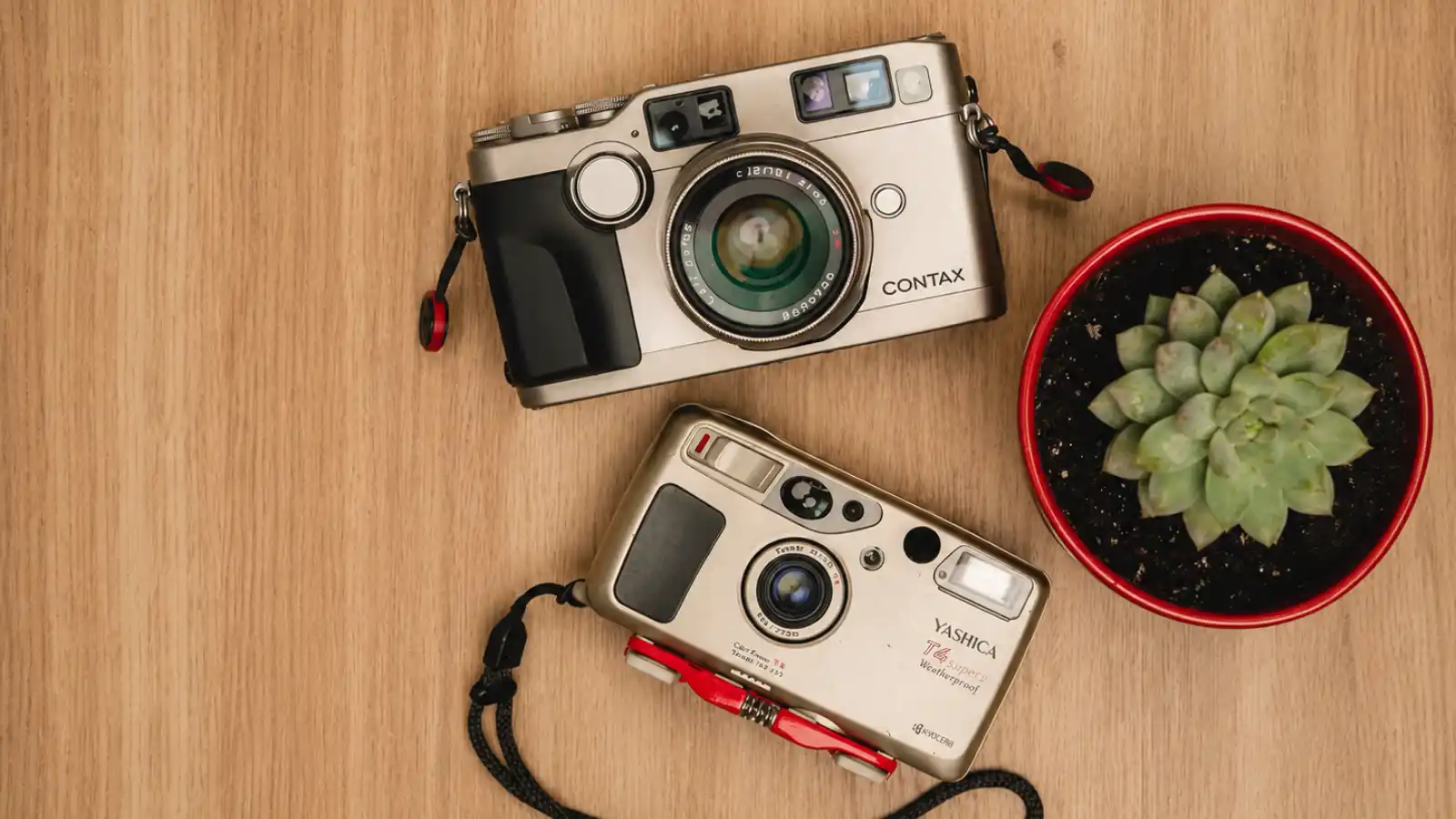
1. Mirrorless Cameras
Mirrorless cameras are lightweight and compact, making them ideal for photographers who want strong photo and video capabilities in one camera.
Pros
- Small and portable
- Advanced autofocus with eye and subject tracking
- Electronic viewfinder showing real-time exposure
- Excellent video options
- Rapidly expanding lens choices
Cons
- Shorter battery life compared to DSLRs
- Occasional EVF lag in some models
- Higher initial cost for bodies and lenses
Best For: Hybrid shooters, travel photographers, enthusiasts, professionals seeking modern photography features
2. DSLR Cameras
DSLRs have a long history and remain popular for their durability and traditional feel.
Pros
- Optical viewfinder with no lag
- Robust, weather-resistant build
- Excellent battery life
- Mature lens system with many options
- Often more affordable on the used market
Cons
- Bulkier and heavier than mirrorless cameras
- Autofocus can be slower in live view
- Video features may not be as advanced
Best For: Photographers who prefer optical viewfinders, budget-conscious buyers, or those with legacy DSLR lenses
3. Compact Cameras (Point-and-Shoot)
Point-and-shoot cameras are simple, small, and easy to use. These cameras are perfect for someone who wants to grab and shoot without worrying about settings.
Pros
- Extremely portable
- Quick and beginner-friendly
- Fixed zoom lenses for simple operation
- Great for casual or travel photography
Cons
- Smaller sensors may reduce low-light performance
- Limited creative control
- Less upgrade potential
Best For: Casual photographers, travelers, everyday use, backup camera
4. Action Cameras
Action cameras are built for adventure, durability, and capturing fast-moving moments. Choose an action camera if you need something tough for extreme conditions or fast-moving subjects.
Pros
- Ultra-compact and rugged
- Waterproof and shockproof
- Wide-angle lenses for immersive shots
- Great stabilization for video
Cons
- Limited still photography quality
- Fixed lens, smaller sensor
- Designed for specific environments
Best For: Adventure sports, vloggers, and outdoor enthusiasts
Choosing Your Starting Point
Ask yourself:
- What’s your main goal: professional shoots, family photos, travel, or content creation?
- How much weight and size can you comfortably carry?
- What are your future photography plans?
Key Buying Factors to Consider Before Choosing a Camera
Before you choose a camera, it helps to understand the features that actually affect real use. Specs can look impressive, but not every number matters equally.
The right camera depends on how you shoot, what you want to capture, and how much you want to spend.
- Sensor Size: Larger sensors capture more light and detail. Full-frame is best for professionals, APS-C balances size and quality, Micro Four Thirds is lightweight and portable.
- Megapixels: More isn’t always better. Focus on sensor quality and lenses for sharp, clean images.
- Autofocus: Fast and accurate AF matters for moving subjects, portraits, and wildlife. Look for Eye-AF and subject tracking if needed.
- ISO & Low-Light: Higher ISO lets you shoot in darker conditions, but watch for noise. Critical for indoor, night, or event photography.
- Video: Check resolution, frame rates, stabilization, log profiles, and audio ports if you plan to shoot video.
- Ergonomics & Build: Comfortable grip, intuitive buttons, articulating screen, and weather sealing make long shoots easier.
- Lens Ecosystem: Variety and availability of lenses matter for long-term use. Third-party options add flexibility.
- Battery Life: Especially for mirrorless cameras; extra batteries and USB charging help during long shoots.
- Budget & Accessories: Total cost includes lenses, memory cards, tripod, bag, and other essentials, not just the camera body.
Our Top Pick
Canon EOS R6 Mark II
The Canon EOS R6 Mark II is our top pick because it offers strong autofocus, great low-light results, solid video features, and comfortable handling at a fair full-frame price. It is a smart choice for users who want one reliable camera for photos and video.
This article may contain affiliate links. As an Amazon Associate and Direct Affiliate, we earn from qualifying purchases at no extra cost to you.
7 Top Camera Recommendations (Categorized for Every Photographer)
No camera is perfect for everyone. What matters most is choosing one that fits your priorities, whether that’s image quality, video performance, portability, or value for money. Explore our top picks below to find the camera that best matches your photography style and needs.
Canon EOS R6 Mark II | Sony Alpha 7 IV | Nikon Z 8 | Olympus OM-1 Mark II | Panasonic LUMIX GH6 | Sony ZV-E10 | Fujifilm GFX100S II | |
|---|---|---|---|---|---|---|---|
| | | | | | | |
Best For | Best Overall | Best Hybrid | Best Professional | Best Wildlife | Best Video | Best Budget Vlogging | Best Studio |
Sensor | Full-frame | Full-frame | Full-frame | MFT | MFT | APS-C | Medium |
Megapixels | 24MP | 33MP | 45.7MP | 20MP | 25MP | 24MP | 102MP |
Weight | Medium | Medium | Heavy | Light | Medium | Light | Heavy |
Prices and availability can change based on retailer, country, discounts, and kit options. Please check the latest price before buying.
Each recommendation is based on product details, common buyer feedback, and repeated user experience patterns. not personal testing.
1. Canon EOS R6 Mark II | Best for Action & Professionals
Canon EOS R6 Mark II
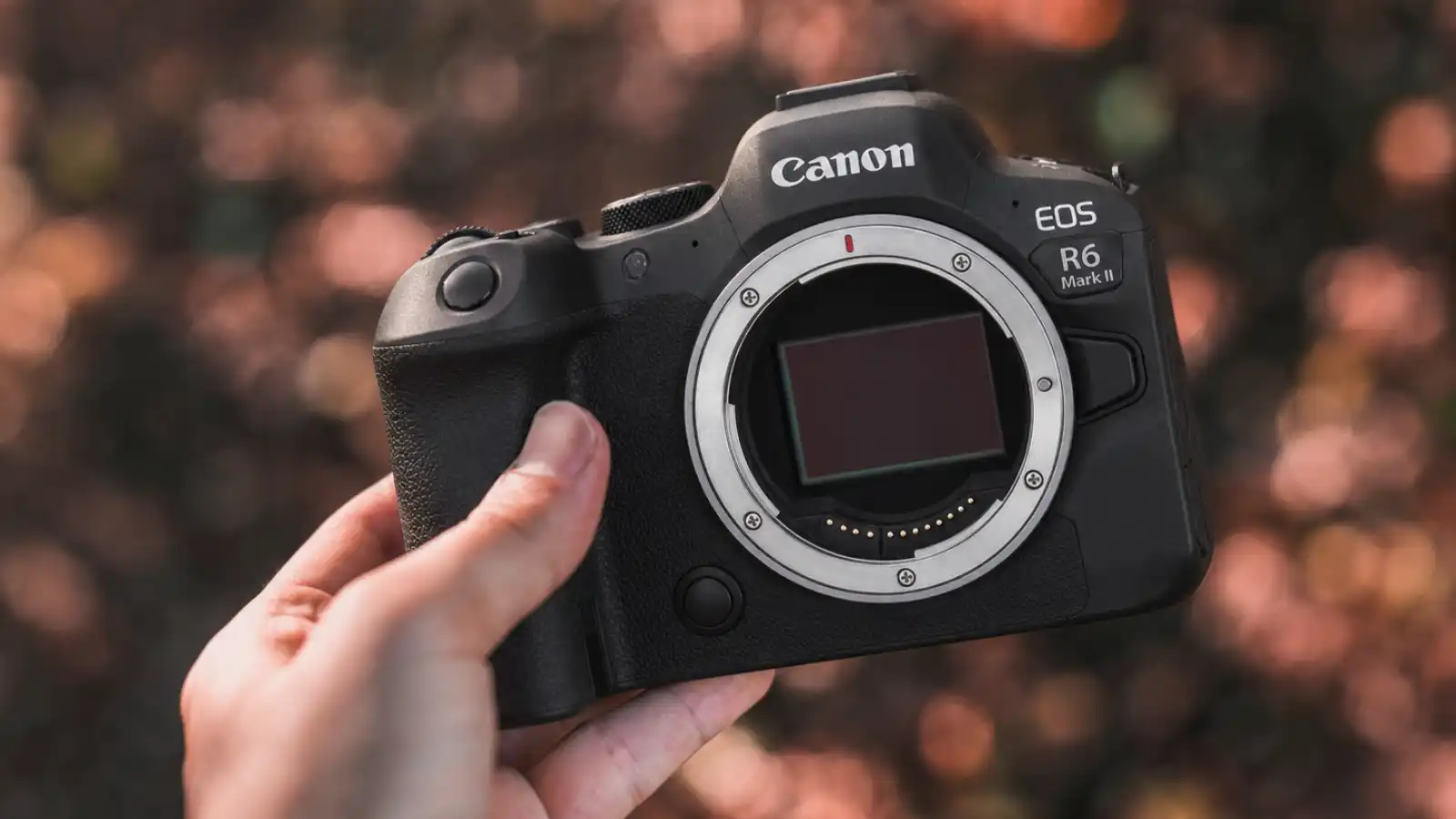
The Canon EOS R6 Mark II is a strong full-frame camera for action, weddings, wildlife, and video. It stands out for its fast autofocus, sharp image quality, good low-light results, and reliable handling, making it our top pick for most users.
Pros
- Fast and precise autofocus
- Excellent subject tracking
- Strong low-light performance
- High-speed burst for action photography
- Robust video features
- Comfortable handling
- Intuitive controls
Cons
- Battery life can be average during long sessions
- Rolling shutter visible at high-speed electronic shutter
- Slightly expensive for beginners
- Extra batteries recommended for long events or video shoots
The Canon EOS R6 Mark II is our top pick for users who want one strong camera for both photography and video. It is a full-frame mirrorless camera with a good balance of speed, image quality, autofocus, low-light performance, and handling.
Based on real user feedback, this camera is especially strong for sports, wildlife, weddings, portraits, events, and video work. Many users praise how fast and reliable the autofocus feels, especially when tracking people, animals, and moving subjects.
Key Features
- Sensor & Image Quality: 24.2MP full-frame CMOS sensor with DIGIC X processor. Delivers sharp, vibrant images with impressive dynamic range and excellent low-light performance.
- Autofocus: Dual Pixel CMOS AF II with deep learning AI tracks humans, animals, vehicles, and aircraft across nearly 100% of the frame. Reliable, fast, and precise for any scenario.
- Video: Uncropped 4K 60p oversampled from 6K, supports Canon Log 3 and HDR PQ, with unlimited recording for serious content creators.
- Burst Shooting: Up to 40fps with electronic shutter, 12fps mechanical, perfect for action, sports, and wildlife.
- Stabilization & Build: 8-stop in-body image stabilization keeps shots steady. Magnesium alloy body feels solid and comfortable. Weather-sealed for outdoor use.
- Extras: Dual card slots, customizable controls, intuitive touchscreen, and workflow-ready HDMI output for filmmakers and vloggers.
Who Should Buy It
The Canon R6 Mark II is perfect for photographers and videographers who want one camera that does it all. Ideal for:
- Hybrid shooters (photos + video)
- Wildlife and sports photography
- Wedding, event, and portrait photographers
- Content creators who need reliable autofocus and low-light performance
Drawbacks
The Canon EOS R6 Mark II is a strong camera, but it is not perfect. Battery life can feel average during long events, especially if you shoot a lot of video or use the electronic viewfinder heavily.
Some users may also notice rolling shutter when using the electronic shutter in very fast-moving scenes.
It is also not the cheapest full-frame camera, so beginners may find the price a little high. If you plan to shoot weddings, sports, or long video sessions, carrying extra batteries is a smart idea.
Why We Recommend It
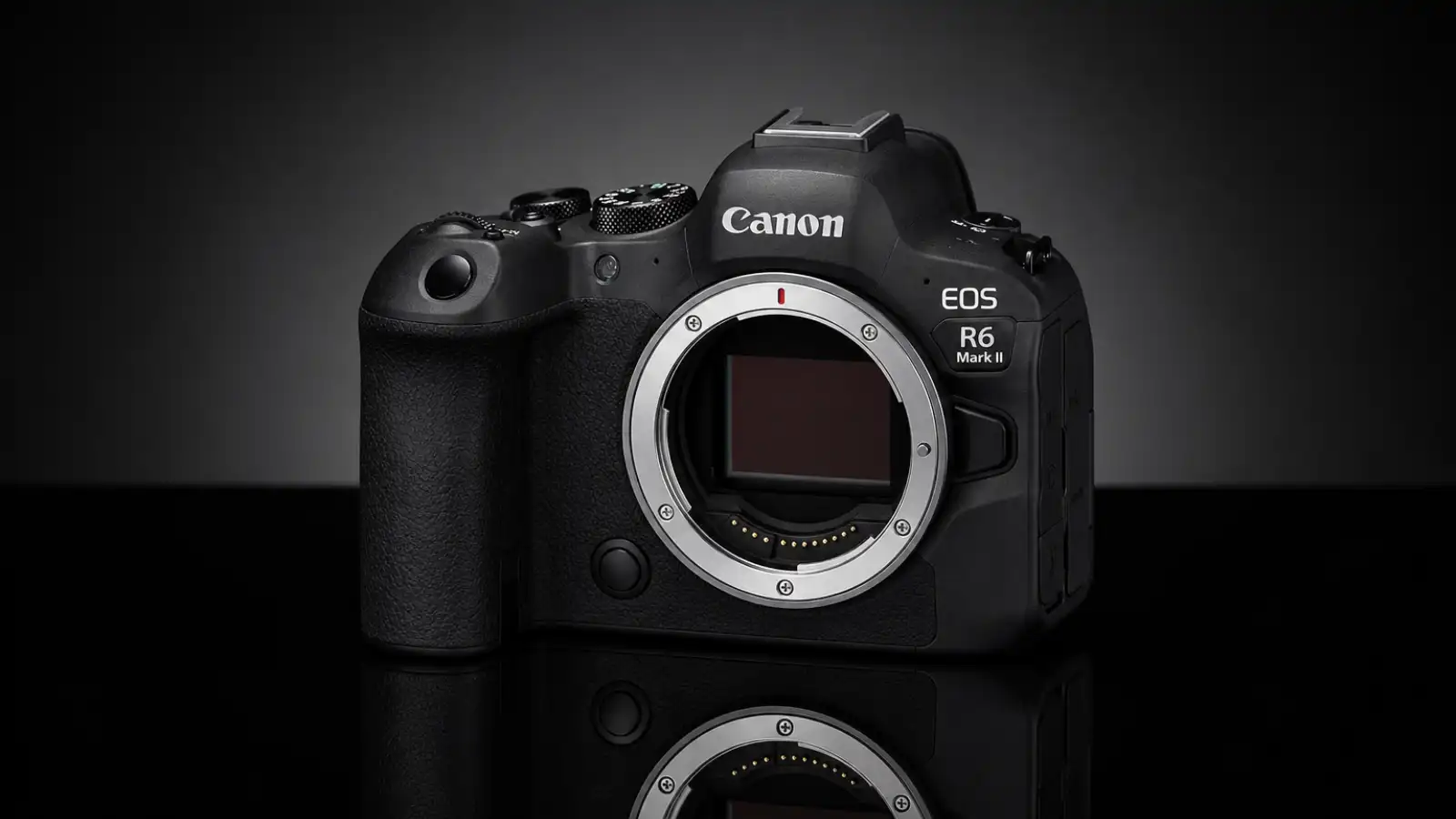
The Canon EOS R6 Mark II is our top pick because it offers a strong balance of price, autofocus, low-light performance, image quality, and video features. Based on user feedback, it performs well for many shooting styles, including weddings, portraits, events, sports, wildlife, and content creation.
As animal lovers, the wildlife side of this camera also stands out to us. Its fast autofocus and subject tracking can be useful for capturing animals, birds, and quick natural movements, which makes it even more attractive for photographers who enjoy wildlife and nature photography.
Final Verdict
The Canon EOS R6 Mark II is a strong choice if you want one reliable full-frame camera for photos, video, action, weddings, wildlife, and low-light shooting. It feels balanced, fast, and practical for both serious hobby users and professionals.
It is not the cheapest option, and extra batteries may help during long shoots. But if you want a camera that you can grow with and use in many real situations, the Canon EOS R6 Mark II is worth considering.
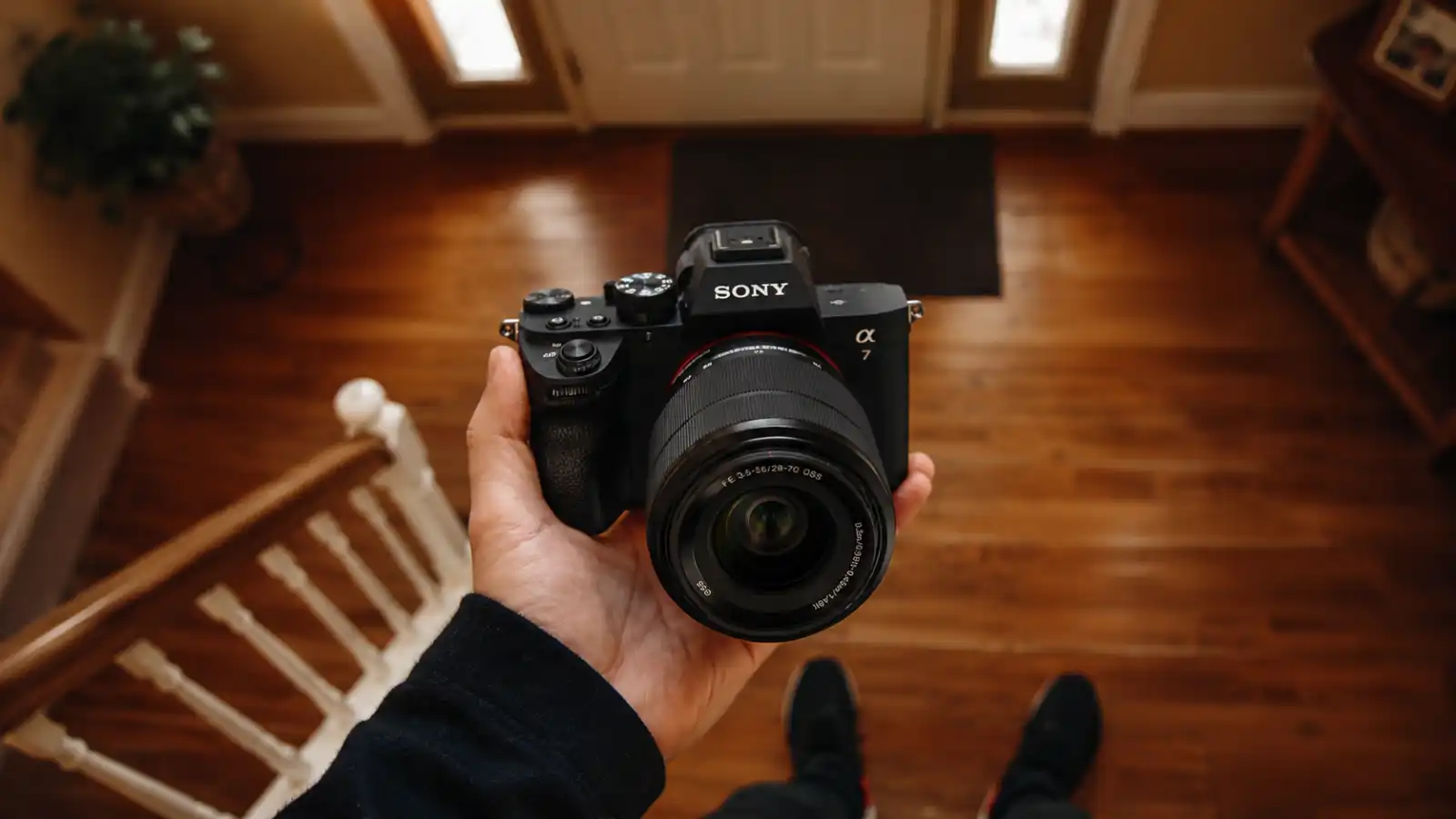
2. Sony Alpha 7 IV | Best for Hybrid & Content Creators
Sony Alpha 7 IV
A versatile full-frame mirrorless camera that excels in both photos and video.
Its fast autofocus, sharp image quality, and reliable performance make it a solid choice for hybrid shooters.
Ideal for portraits, travel, events, and content creators.
Pros
- Excellent image quality with 33MP full-frame sensor
- Fast and accurate autofocus for humans and animals
- Strong hybrid photo-video capabilities
- Good low-light performance
- User-friendly interface with customization
- Compact for a full-frame body
- Reliable stabilization for handheld shooting
Cons
- Video recording may overheat during long sessions
- 10fps burst is good but lower than some competitors
- Slightly higher price for beginner photographers
- Firmware updates require careful attention to card placement
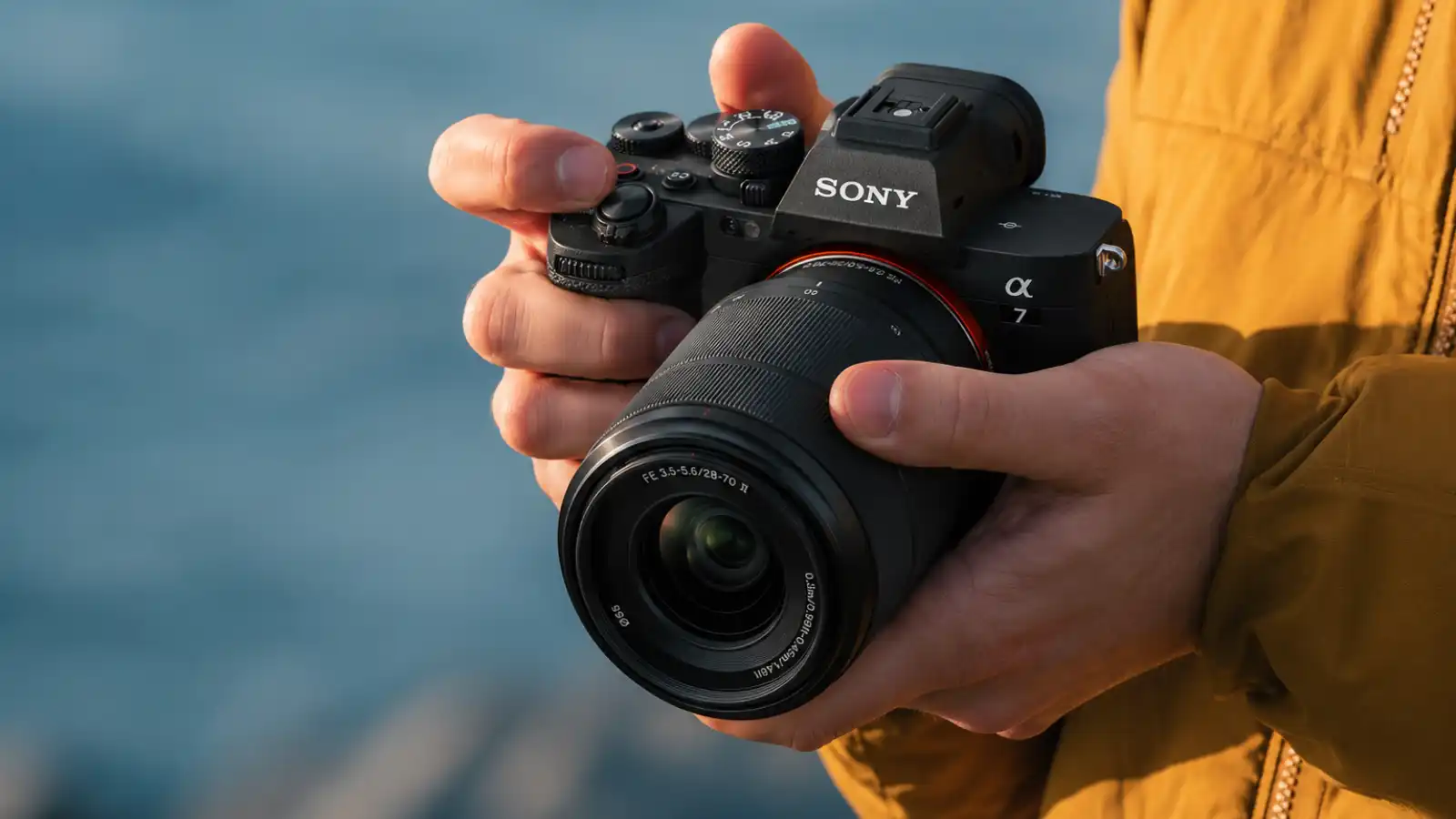
The Sony Alpha 7 IV is a full-frame mirrorless camera built for photographers and videographers who want one camera that excels at both photos and video.
It’s a versatile option for events, portraits, wildlife, travel, and content creation, with features designed to satisfy both beginners and pros.
Key Features
- Sensor & Image Quality: 33MP full-frame Exmor R CMOS sensor with BIONZ XR processor. Delivers sharp images, vibrant colors, and excellent detail across varied lighting conditions.
- Autofocus: Real-time Eye-AF for humans, animals, and birds. Advanced subject tracking ensures sharp focus in dynamic situations.
- Video: 4K 60p 10-bit 4:2:2 video with full pixel readout. Supports S-Cinetone, S-log3, HLG, and advanced video features for hybrid shooters and creators.
- Burst Shooting: Up to 10fps continuous shooting, suitable for fast action and wildlife.
- Stabilization & Build: Sensor-shift image stabilization, weather-sealed body, comfortable grip for long sessions.
- Extras: Dual memory card slots, articulating LCD screen, HDMI output, and flexible shooting modes for stills and video.
Who Should Buy It
The Sony Alpha 7 IV is best suited for:
- Hybrid shooters who need strong stills and video
- Wildlife and event photographers
- Portrait and landscape enthusiasts
- Travel photographers needing full-frame quality
- Content creators and vloggers
Drawbacks
The Sony Alpha 7 IV is a strong hybrid camera, but it may not be perfect for everyone.
Some users mention that it can overheat during longer video recording sessions, so heavy video shooters may need to be careful with recording time and settings.
Its 10fps burst speed is good for normal action, but it is not as fast as some cameras made mainly for sports or wildlife.
The price can also feel high for beginners, especially once you add lenses, memory cards, and extra accessories.
Why We Recommend It
The Sony Alpha 7 IV stands out for its versatility and performance. Based on real user feedback, it delivers excellent image quality, reliable autofocus, and strong video capabilities.
Its advanced autofocus with real-time Eye-AF is particularly useful for capturing moving subjects, fast action, or wildlife.
This makes it a solid choice for photographers who want one camera that performs well across different scenarios, from portraits to travel photography, without overemphasizing the animal-specific angle.
Final Verdict
If you want a camera that handles both professional photos and videos, the Sony Alpha 7 IV is a reliable choice. It offers sharp images, accurate autofocus, and great flexibility for hybrid use. While it is slightly more expensive and video recording may overheat in long sessions, it provides a well-rounded full-frame experience.
For photographers and content creators looking to grow with one versatile camera, the Sony Alpha 7 IV is highly recommended.
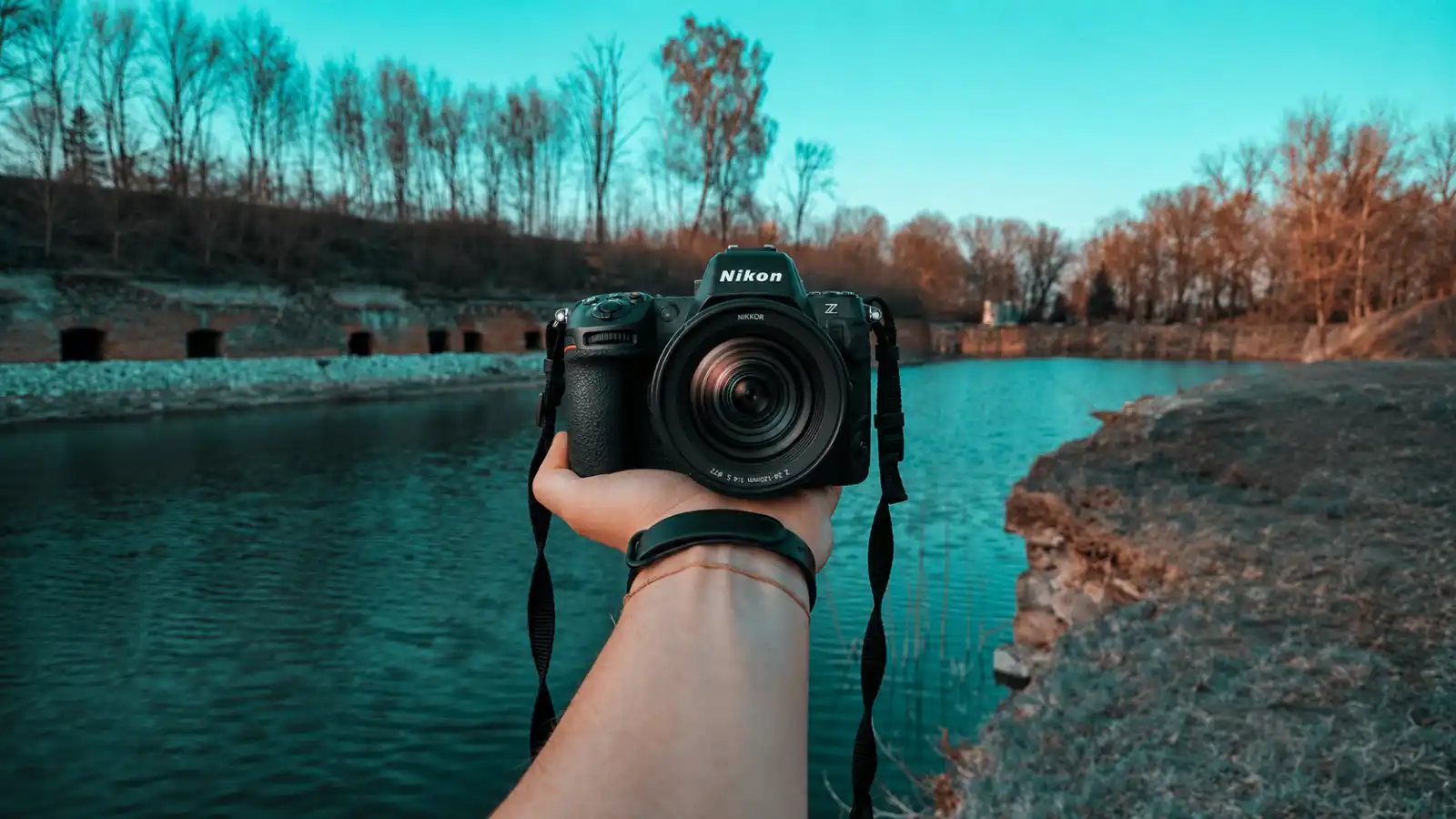
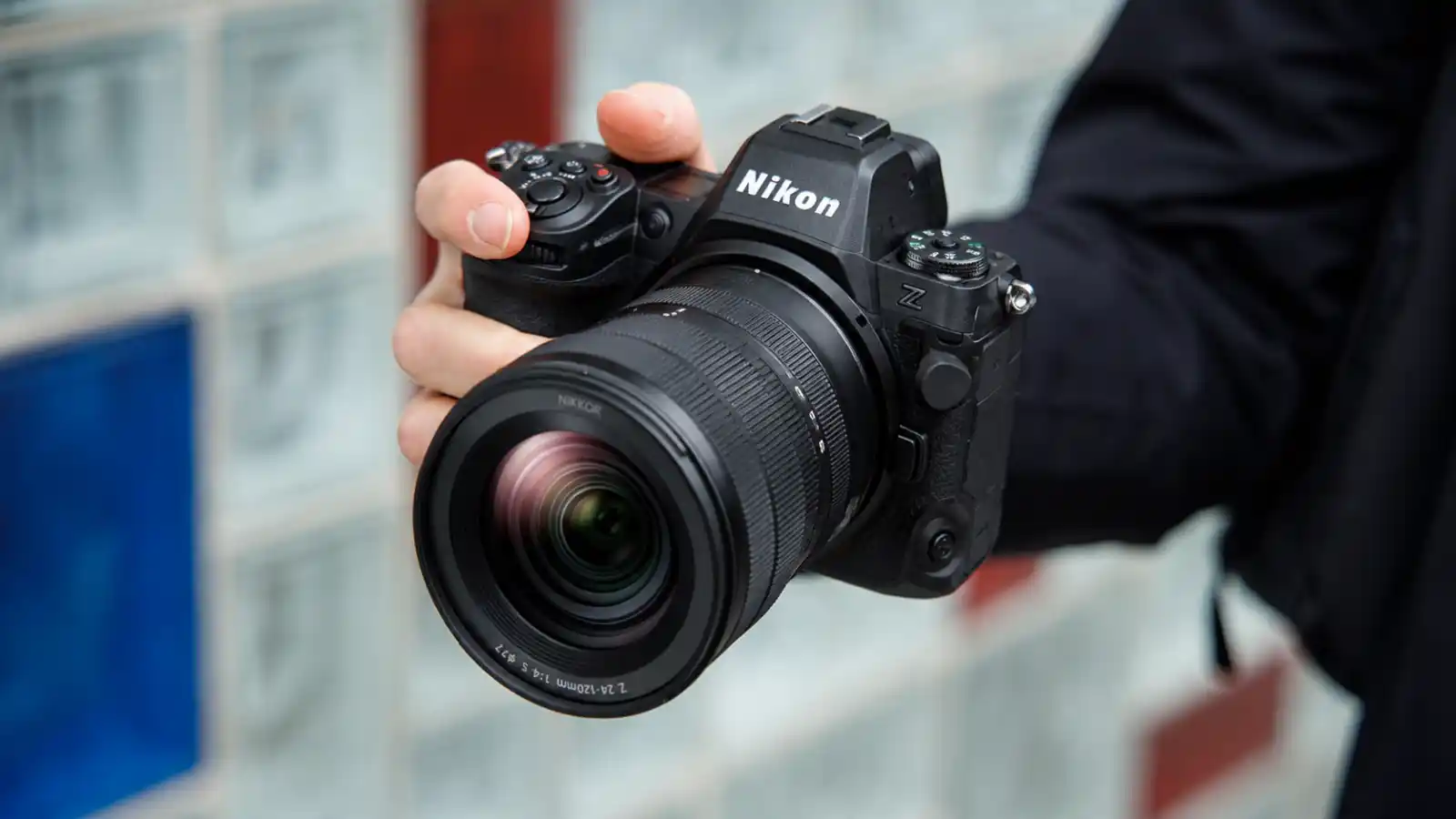
3. Nikon Z 8 | Best for Professional Resolution
Nikon Z 8
The Nikon Z 8 is a powerful full-frame camera for serious photographers who want high detail, fast shooting, and strong autofocus. Its 45.7MP sensor makes it great for landscapes, studio work, wildlife, and professional photography. It is expensive and takes time to learn, but if you want pro-level image quality, it is worth considering.
Pros
- Excellent image detail
- Strong low-light performance
- Professional build quality
- Fast autofocus and subject tracking
- 8K video and 4K 120p recording
- Great for cropping and large prints
- Works with Nikon Z lenses and adapted older Nikon lenses
- Fast shooting options for action and wildlife
Cons
- Expensive compared to many full-frame cameras
- Heavier than beginner mirrorless cameras
- CFexpress cards can add extra cost
The Nikon Z 8 is best for photographers who want professional image quality and high-resolution files. Its 45.7MP full-frame stacked CMOS sensor gives a lot of detail, which is helpful for studio work, landscapes, portraits, wildlife, and any situation where cropping matters.
Based on Worldwide user feedback, many Nikon users see the Z 8 as a major upgrade from older DSLR bodies like the D850.
Users often praise its detail, fast shooting, autofocus improvements, and strong overall performance. It is not a simple beginner camera, but for advanced users, it offers a lot of creative control.
Key Features
- Sensor & Image Quality:
The Nikon Z 8 has a 45.7MP full-frame stacked CMOS sensor with the EXPEED 7 processor. This gives sharp, detailed images with strong color, good dynamic range, and plenty of room for editing or cropping. - Autofocus:
It uses Nikon’s advanced autofocus system with subject detection and 3D tracking. It can detect and track people, dogs, cats, birds, cars, bikes, motorcycles, trains, and planes, which makes it useful for wildlife, sports, events, and action photography. - Video:
The Z 8 offers internal 8K 60p and 4K 120p video, along with 12-bit N-RAW and ProRes RAW recording. This makes it a strong hybrid camera, although some users mention that it may heat up during demanding video work. - Burst Shooting:
The camera offers several fast shooting options, including 20, 30, 60, and 120fps modes. This is helpful for capturing fast action, wildlife, birds, and sports moments. - Stabilization & Build:
It includes sensor-shift image stabilization and a professional-feeling body. Users like that it feels serious in the hand, though it is heavier than smaller mirrorless cameras. - Extras:
The Z 8 supports flexible file formats, including RAW, High Efficiency RAW, HEIF, JPEG, MP4, N-RAW, and ProRes RAW. It also has dual card slots and works with Nikon Z-mount lenses, as well as older Nikon lenses using an adapter.
Who Should Buy It
The Nikon Z 8 is best for:
- Advanced photographers
- Professional photographers
- Studio photographers
- Landscape photographers
- Wildlife photographers
- Sports photographers
- Nikon DSLR users upgrading to mirrorless
- Users who need high-resolution files
You can also compare the Z8 with other Nikon Z cameras to find the right model for your needs.
Drawbacks
The Nikon Z 8 is powerful, but it is not the best choice for everyone. The price is high, and the body may feel heavy for travel, casual use, or long handheld shooting.
Some users also mention that the camera has a learning curve because the settings and menus are detailed.
Battery life can feel limited during long shooting days, especially for video or heavy mirrorless use. For serious video work, CFexpress cards and extra batteries may also increase the total cost.
Why We Recommend It
We recommend the Nikon Z 8 because it is one of the strongest cameras in this list for photographers who care about detail, speed, and professional control.
Based on user feedback, it performs especially well for high-resolution photography, wildlife, sports, studio work, and advanced creative projects.
It is not the most budget-friendly camera, but for users who already understand photography and want a powerful full-frame body, the Nikon Z 8 gives a lot of performance.
Final Verdict
The Nikon Z 8 is a strong choice if you want a professional full-frame camera with high resolution, fast shooting, advanced autofocus, and serious video features.
It is especially useful for photographers who need sharp detail, cropping flexibility, and strong performance in demanding situations.
If you want a camera built for professional work and long-term creative growth, the Nikon Z 8 is worth considering.
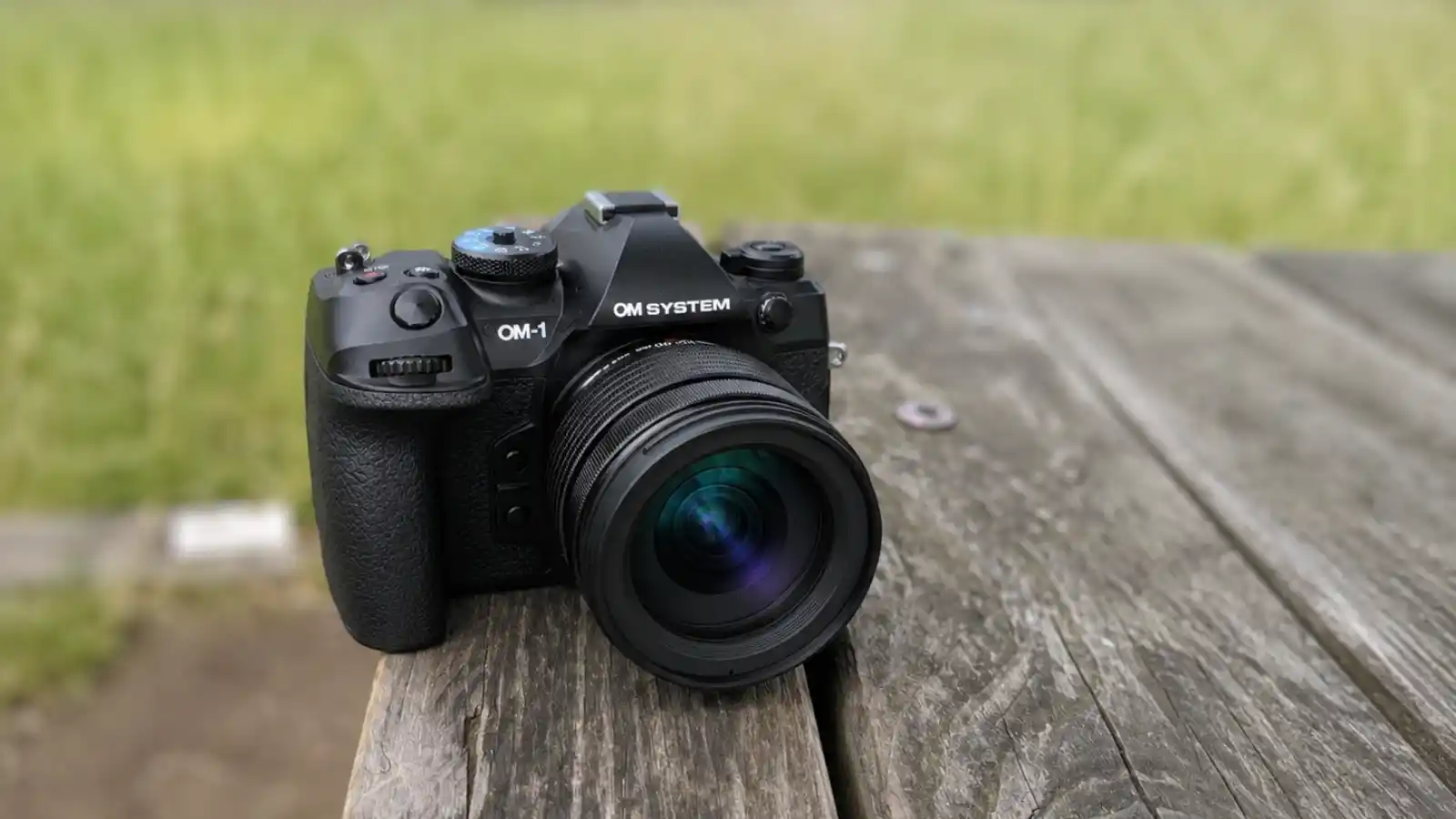
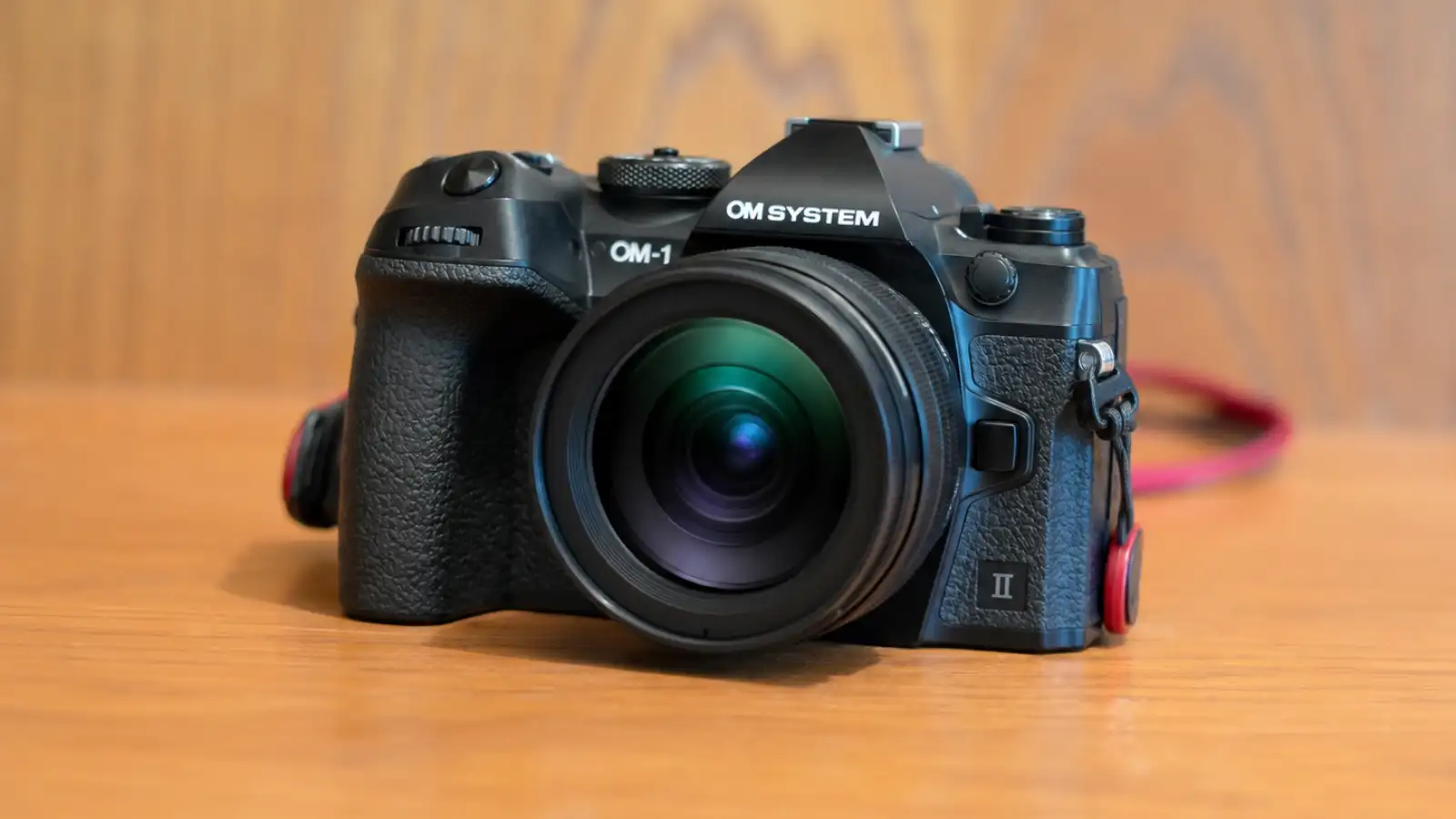
4. OM SYSTEM Olympus OM-1 Mark II | Best for Wildlife & Outdoor Photography
OM SYSTEM Olympus OM-1 Mark II
The OM SYSTEM Olympus OM-1 Mark II is a compact Micro Four Thirds camera made for wildlife, travel, hiking, outdoor photography, and fast action.
It stands out for its lightweight body, strong image stabilization, weather sealing, fast shooting, and smart computational photography features.
Pros
- Lightweight and easy to carry
- Strong image stabilization
- Good autofocus and subject tracking
- Great for wildlife and outdoor use
- Weather-sealed body for rough conditions
- Useful computational features
- Fast shooting options
- Strong lens options for travel and wildlife
Cons
- 20MP resolution may feel limited for heavy cropping
- Battery can drain faster if screens and Bluetooth stay active
The OM SYSTEM Olympus OM-1 Mark II is a strong choice for photographers who want a smaller camera system without giving up serious performance. It is especially useful for people who shoot outdoors, travel often, or need a camera that is easy to carry for long hours.
Based on real user feedback, many photographers like this camera because it feels light, fast, stable, and ready for outdoor work.
Users also praise its weather sealing, strong stabilization, and wildlife-friendly lens system.
It may not be the best choice for users who want the highest megapixel count, but it gives a very practical balance of portability and performance.
Key Features
- Sensor & Image Quality:
The OM-1 Mark II has a 20.4MP Stacked BSI Live MOS Micro Four Thirds sensor. The resolution is not as high as full-frame or medium format cameras, but many users say the image quality is strong enough for most professional and serious hobby use. - Autofocus:
It uses Cross Quad Pixel AF with 1,053 focus points. The autofocus and tracking are improved over older Olympus and OM cameras, especially for wildlife, action, and moving subjects. - Video:
The camera can record 4K 60p video, which is useful for outdoor creators, travel shooters, and hybrid users who need both photos and video in one small system. - Burst Shooting:
The OM-1 Mark II supports fast shooting, including high-speed electronic shutter options. This helps when capturing birds, sports, wildlife movement, and quick outdoor moments. - Stabilization & Build:
One of its biggest strengths is stabilization. Many users say the image stabilization makes handheld shooting easier, even with long lenses. The body is also IP53 rated, which means it is built for dust, splashes, and freezing conditions down to minus 10 degrees Celsius. - Extras:
The camera includes useful computational photography features such as Handheld High Res Shot, Live GND, Live ND, Handheld Live Composite, Focus Stacking, and HDR shooting. These features can help outdoor and landscape photographers create shots without carrying extra filters or a tripod every time.
Who Should Buy It
The OM SYSTEM Olympus OM-1 Mark II is best for:
- Wildlife photographers
- Travel photographers
- Outdoor photographers
- Hiking and nature shooters
- Bird photographers
- Macro photographers
- Users who want a lighter system
- Photographers who value weather sealing and stabilization
Drawbacks
The OM-1 Mark II is powerful, but it is not perfect for every photographer. The 20MP sensor may feel limited if you crop heavily or want very large prints.
Some users also feel that the autofocus is strong, but still slightly behind the best full-frame cameras from brands like Canon and Sony.
The camera also has many features, which is great once you learn them, but beginners may need time to understand the menu and settings.
Battery life is generally good, but it can drain faster if the camera stays fully active with screens, Bluetooth, or heavy burst shooting.
Why We Recommend It
We recommend the OM SYSTEM Olympus OM-1 Mark II because it offers something very practical: strong performance in a lighter, weather-ready camera system.
Based on user feedback, it works especially well for wildlife, travel, hiking, outdoor photography, and handheld shooting with long lenses.
Its biggest value is not just one feature. It is the full system. The camera body is compact, the lenses are lighter than many full-frame options, and the stabilization makes it easier to shoot without carrying too much extra equipment.
Final Verdict
The OM SYSTEM Olympus OM-1 Mark II is a great choice if you want a camera for wildlife, nature, travel, and outdoor photography without carrying heavy full-frame gear. It is light, tough, stable, and packed with useful features for real outdoor shooting.
If you want a reliable camera that is easy to carry and ready for rough conditions, the OM-1 Mark II is worth considering.
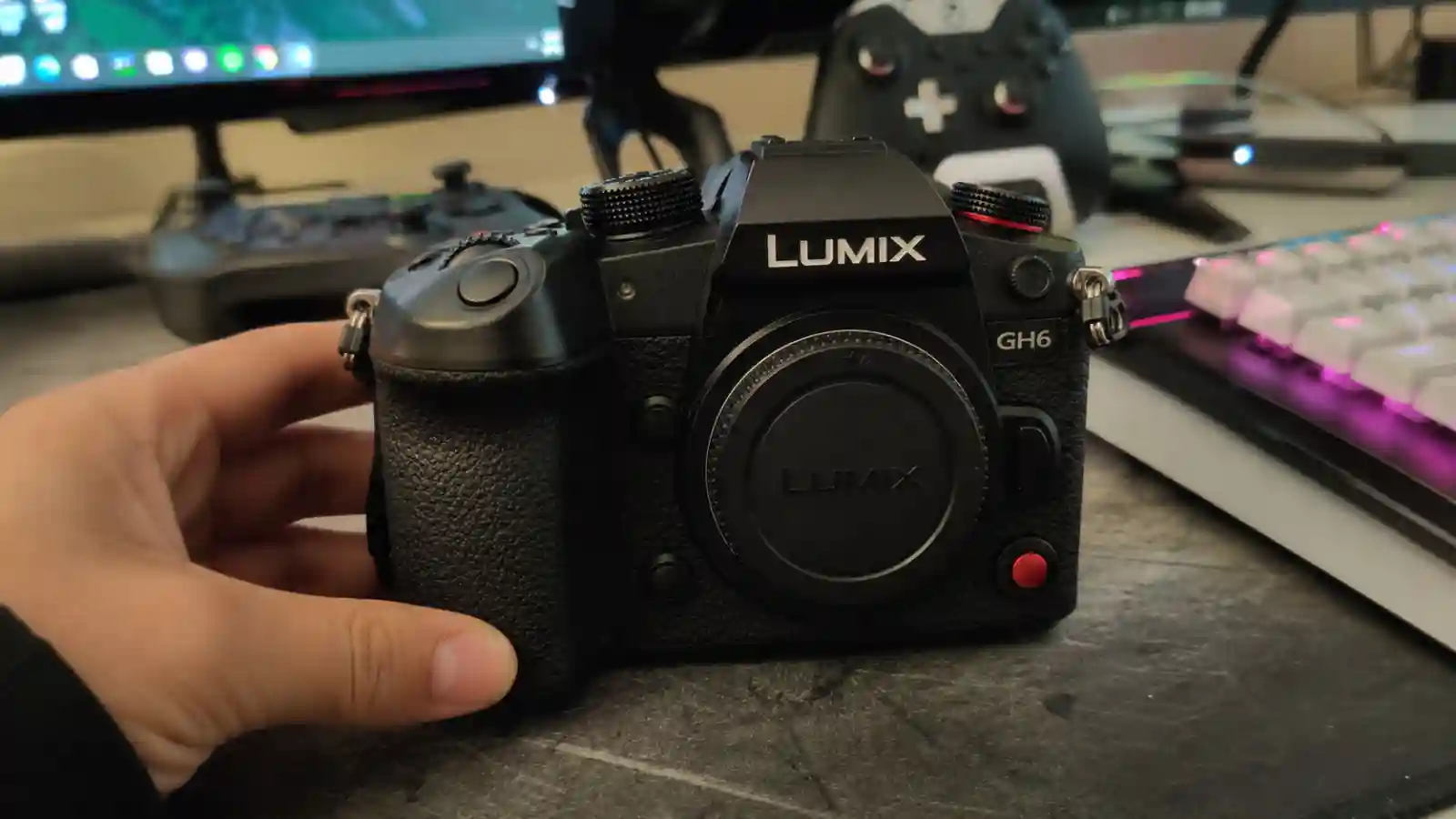
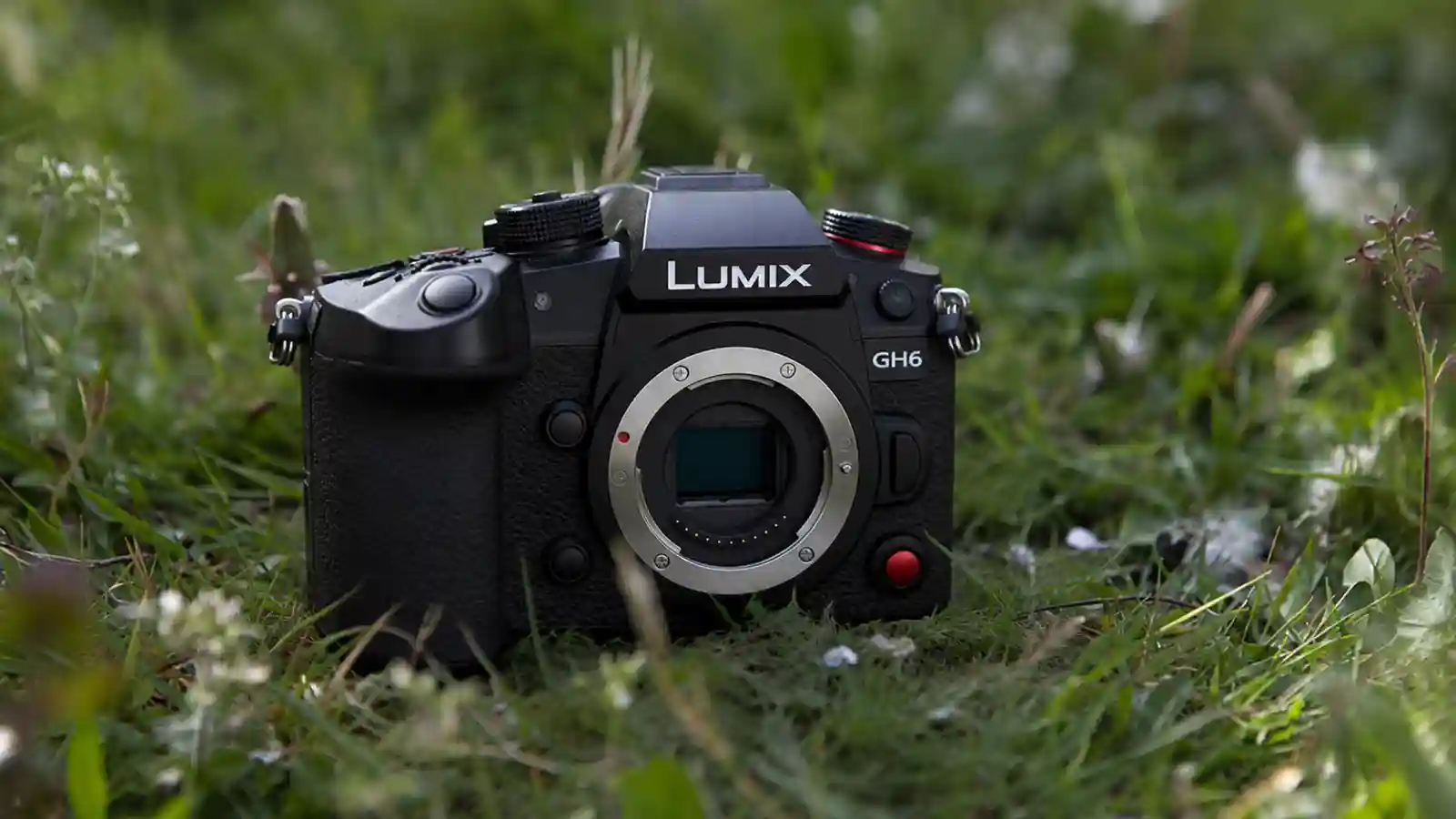
5. Panasonic LUMIX GH6 | Best for Video Creators
Panasonic LUMIX GH6
The Panasonic LUMIX GH6 is a Micro Four Thirds camera designed for serious video creators. It offers 5.7K 60p and 4K 120p recording, strong 5-axis stabilization, and flexible ProRes options.
Ideal for filmmakers, YouTubers, and content creators who want professional video quality in a compact body.
Pros
- Excellent video features
- 5.7K 60p and 4K 120p recording
- Internal ProRes recording
- Strong 5-axis stabilization
- Unlimited video recording modes
- Solid and professional build
- Good value for serious video creators
- Micro Four Thirds lenses keep the full setup lighter
Cons
- Smaller sensor than full-frame cameras
- Autofocus is not as strong as Canon or Sony
- Not the best option for fast sports or wildlife photography
- Body can feel heavy for a Micro Four Thirds camera
- More useful for video than still photography
The Panasonic LUMIX GH6 is best for users who want a camera mainly for video. It is not trying to be the most powerful stills camera in this list. Its real strength is filmmaking, content creation, documentary work, YouTube videos, interviews, and professional video projects.
Based on user feedback, many buyers like its solid build, video quality, stabilization, and serious creator-focused features. It is especially useful for people who want strong video performance without spending full-frame money.
Key Features
- Sensor & Image Quality:
The Panasonic LUMIX GH6 has a 25MP Micro Four Thirds sensor with a Venus Engine processor. It can also create a 100MP Hand-Held High Resolution Shot, which is useful when you need more detail for still subjects. - Video:
This is where the GH6 really stands out. It offers 5.7K 60p video, 4K 120p 10-bit recording, Apple ProRes 422 HQ, V-Log, V-Gamut, and Dynamic Range Boost. These features make it a strong choice for serious video creators who want more control in editing. - Stabilization:
The camera has 5-axis Dual I.S. 2 with up to 7.5 stops of correction. This helps a lot when shooting handheld video, low-light scenes, or moving shots without always needing a tripod or gimbal. - Slow Motion:
It supports Full HD high frame rate video up to 300fps, which is useful for slow-motion shots, product videos, sports clips, and creative filming. - Build & Handling:
Users mention that the GH6 feels solid and professional in the hand. It has a reassuring weight and is built more like a serious filmmaking tool than a casual travel camera. - Lens System:
The Micro Four Thirds mount gives access to a wide range of lenses. Many users also like that Panasonic and Leica lenses can create sharp, high-quality results while keeping the overall system more manageable than full-frame setups.
Who Should Buy It
The Panasonic LUMIX GH6 is best for:
- Video creators
- YouTubers
- Filmmakers
- Documentary shooters
- Interview creators
- Product video makers
- Hybrid users who care more about video
- Creators who want strong video tools at a fair price
Drawbacks
The Panasonic LUMIX GH6 is powerful for video, but it may not be the best camera for everyone. Since it uses a Micro Four Thirds sensor, it may not give the same low-light depth or background blur that some full-frame users prefer.
Autofocus is also one area where some users may prefer Canon or Sony. The GH6 can work well in many situations, but if you shoot fast-moving subjects and depend heavily on autofocus, this may not be your best choice.
Why We Recommend It
We recommend the Panasonic LUMIX GH6 because it offers serious video features at a much lower price than many high-end full-frame video cameras.
Based on user feedback, it is a strong choice for creators who want professional video quality, solid stabilization, flexible recording options, and a reliable body.
It may not be the best all-round camera for everyone, but for video-first users, it gives a lot of value.
Final Verdict
The Panasonic LUMIX GH6 is a smart choice if video is your main focus. It gives you strong recording options, great stabilization, ProRes support, slow-motion features, and a solid body built for serious creative work.
It is not the best pick if you mainly shoot photos, wildlife, or fast action. But if you want a dependable video camera at a fair price, the Panasonic LUMIX GH6 is worth considering.
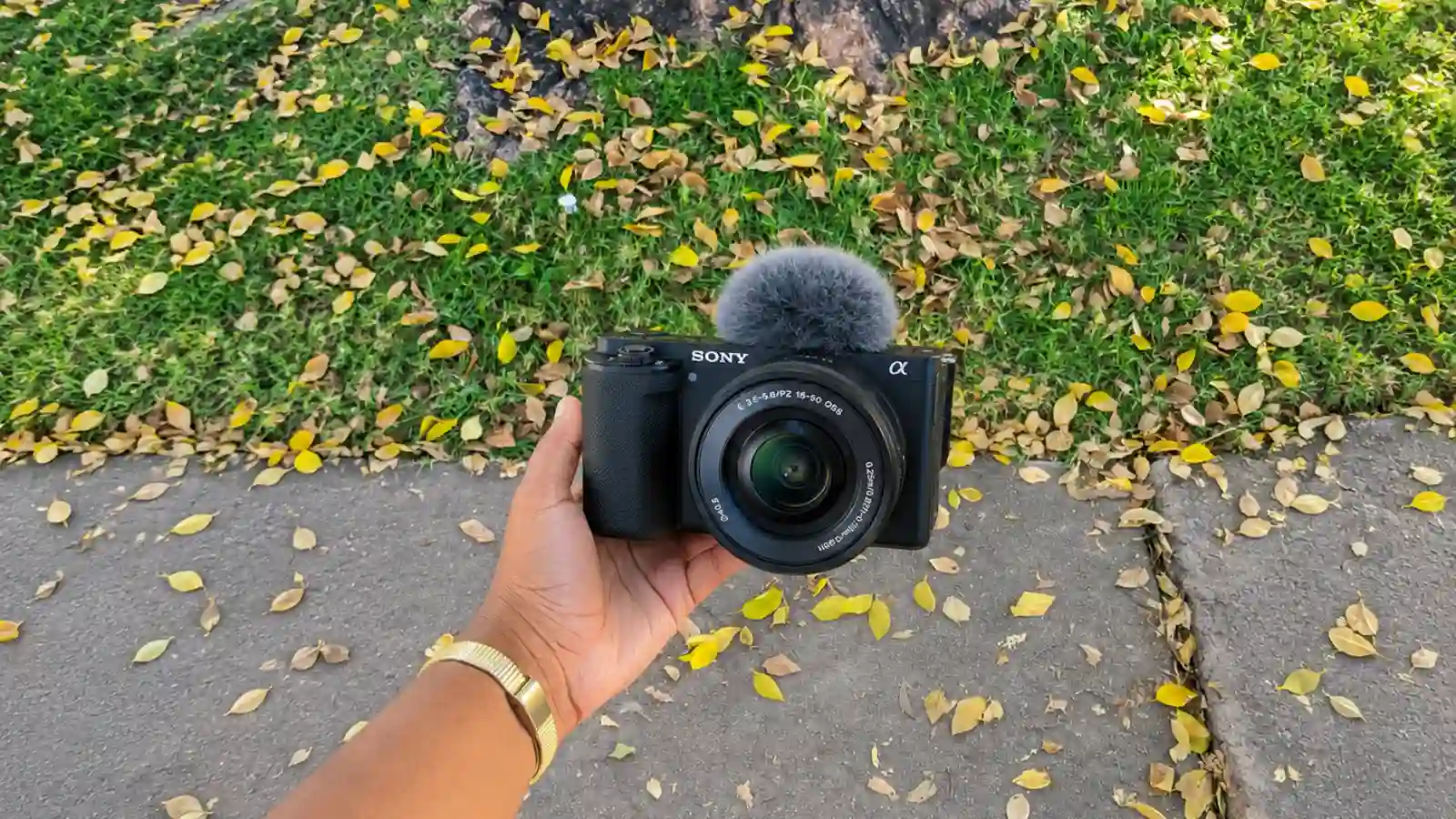
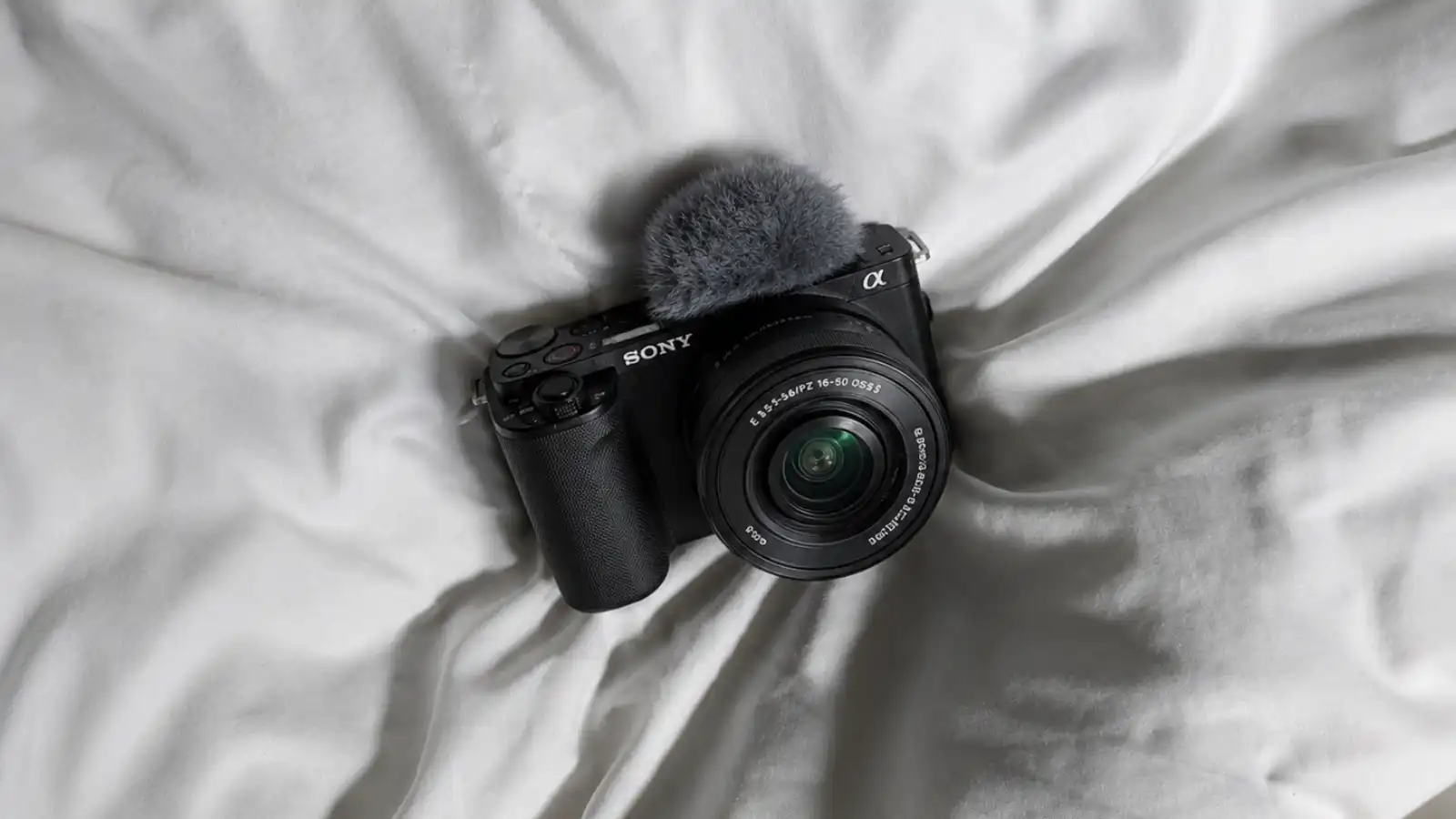
6. Sony ZV-E10 | Best for Vlogging & Beginners
Sony ZV-E10
The Sony ZV-E10 is a lightweight APS-C camera made for vloggers, beginners, and content creators. It offers good image quality, 4K video, a flip-out screen, and easy controls at a beginner-friendly price.
It is a strong choice if you want to move beyond phone content without buying a costly full-frame camera.
Pros
- Lightweight and easy to carry
- Good image and video quality
- Beginner-friendly controls
- Flip-out touchscreen for vlogging
- Real-Time Eye AF and tracking
- Good option for travel and casual content
- Comes with useful bundle accessories in some kits
- Works with Sony E-mount lenses
Cons
- Built-in microphone quality may feel limited
- No electronic viewfinder
- Not ideal for serious professional photography
- Kit accessories may vary in quality
- Some bundles may include accessories that do not fit properly
The Sony ZV-E10 is best for users who want a simple camera for vlogging, YouTube, travel, family photos, and everyday content creation.
It is not built like a high-end professional camera, but it gives a big upgrade over a smartphone because of its APS-C sensor, lens options, and better control over photo and video settings.
Based on real user feedback, many buyers like that it is compact, easy to carry, and simple to start using.
Users also mention that the photo and video quality are strong for the price, especially for beginners and creators who want a practical first camera.
Key Features
- Sensor & Image Quality:
The Sony ZV-E10 has a 24.2MP APS-C Exmor CMOS sensor, which gives better image quality than most smartphones and many basic compact cameras. It can produce sharp photos with good color and detail for travel, portraits, casual photography, and content creation. - Autofocus:
The camera includes 425-point Fast Hybrid AF, Real-Time Eye AF, and tracking. This helps keep faces and subjects in focus, which is useful when recording yourself, filming people, or taking quick photos. - Video:
The ZV-E10 records UHD 4K 30p video and Full HD 120p for slow-motion clips. It is a good option for YouTube videos, talking-head content, product videos, travel vlogs, and social media content. - Vlogging Features:
This is where the Sony ZV-E10 becomes more useful for creators. It has a side flip-out touchscreen, Background Defocus, Face Priority AE, a directional 3-capsule microphone, and support for external microphones and headphones. - Lens & Accessories:
Many kits include the Sony 16-50mm lens, memory card, tripod, filters, light, extra battery, and camera bag. These extras can be helpful for beginners, but users should check the bundle carefully because accessory quality can vary. - Portability:
The ZV-E10 is very light and travel-friendly. Users often like it because it is easy to carry for trips, college, family events, and daily content creation.
Who Should Buy It
The Sony ZV-E10 is best for:
- Beginner vloggers
- YouTube creators
- Travel users
- Students
- Casual photographers
- Social media creators
- Family photography
- Users upgrading from a smartphone
Drawbacks
The Sony ZV-E10 is a good beginner camera, but it does have limits. The built-in microphone may not be enough if you want cleaner sound, so many users may need an external mic for better audio.
It also does not have an electronic viewfinder, which some photographers may miss when shooting outdoors in bright light.
Some bundle accessories may be useful, but others can feel basic or may not match the camera perfectly, so it is smart to check what is included before buying.
Why We Recommend It
We recommend the Sony ZV-E10 because it gives beginners and content creators a simple way to improve their photo and video quality without spending full-frame camera money.
Based on user feedback, it is easy to carry, easy to use, and strong enough for vlogging, travel, and everyday content.
It is especially useful for people who want a camera that feels less intimidating than professional models but still gives them room to learn and grow.
Final Verdict
The Sony ZV-E10 is a smart choice if you want an affordable camera for vlogging, travel, YouTube, and everyday photography. It gives you better image quality than a phone, useful video features, and access to Sony E-mount lenses.
It is not the best option for advanced professional work, and you may want to add a better microphone.
But if you are starting content creation or want a lightweight camera that is easy to use, the Sony ZV-E10 is worth considering.
7. Fujifilm GFX100S II | Best for Studio & Landscape Photography
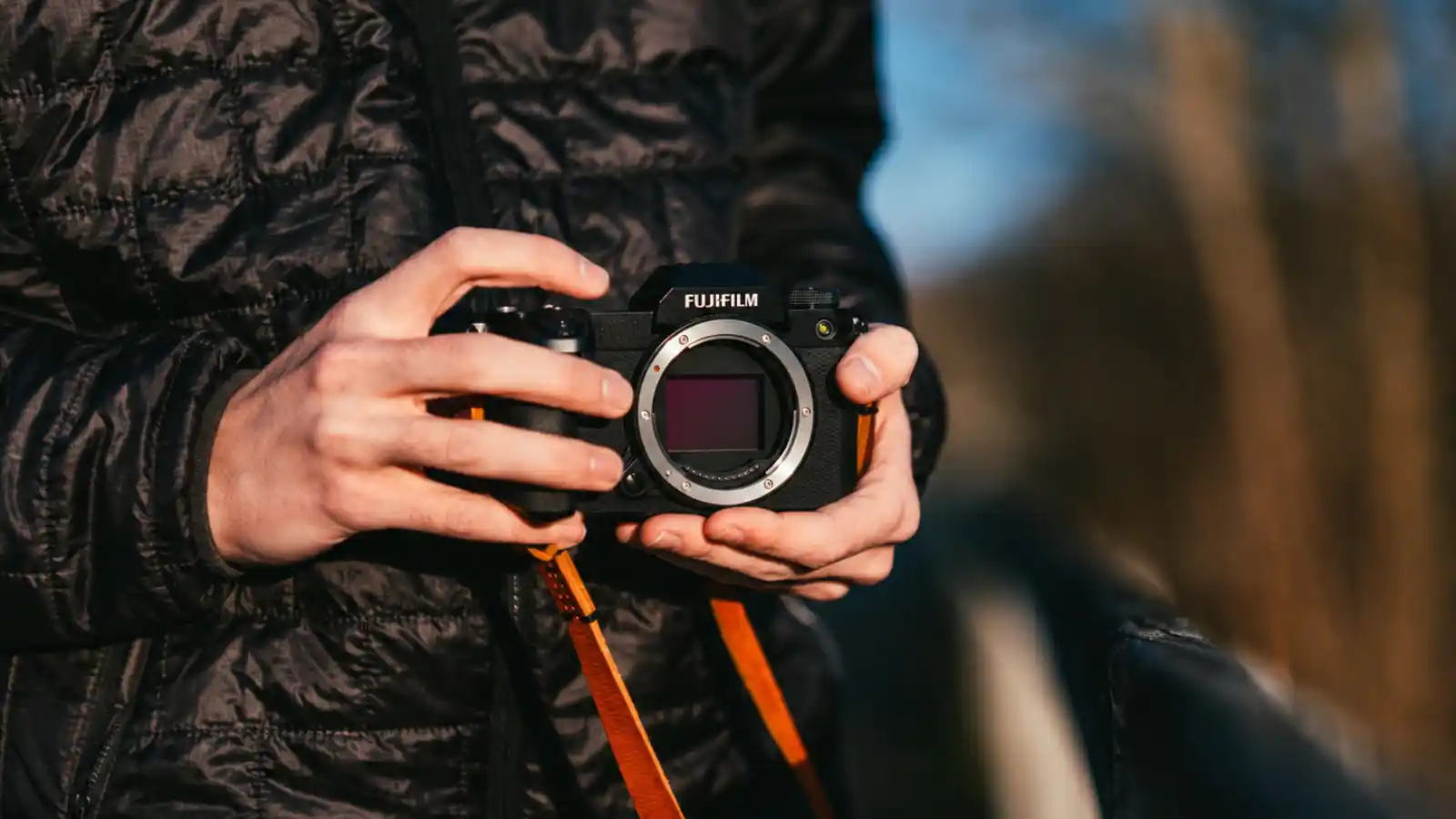
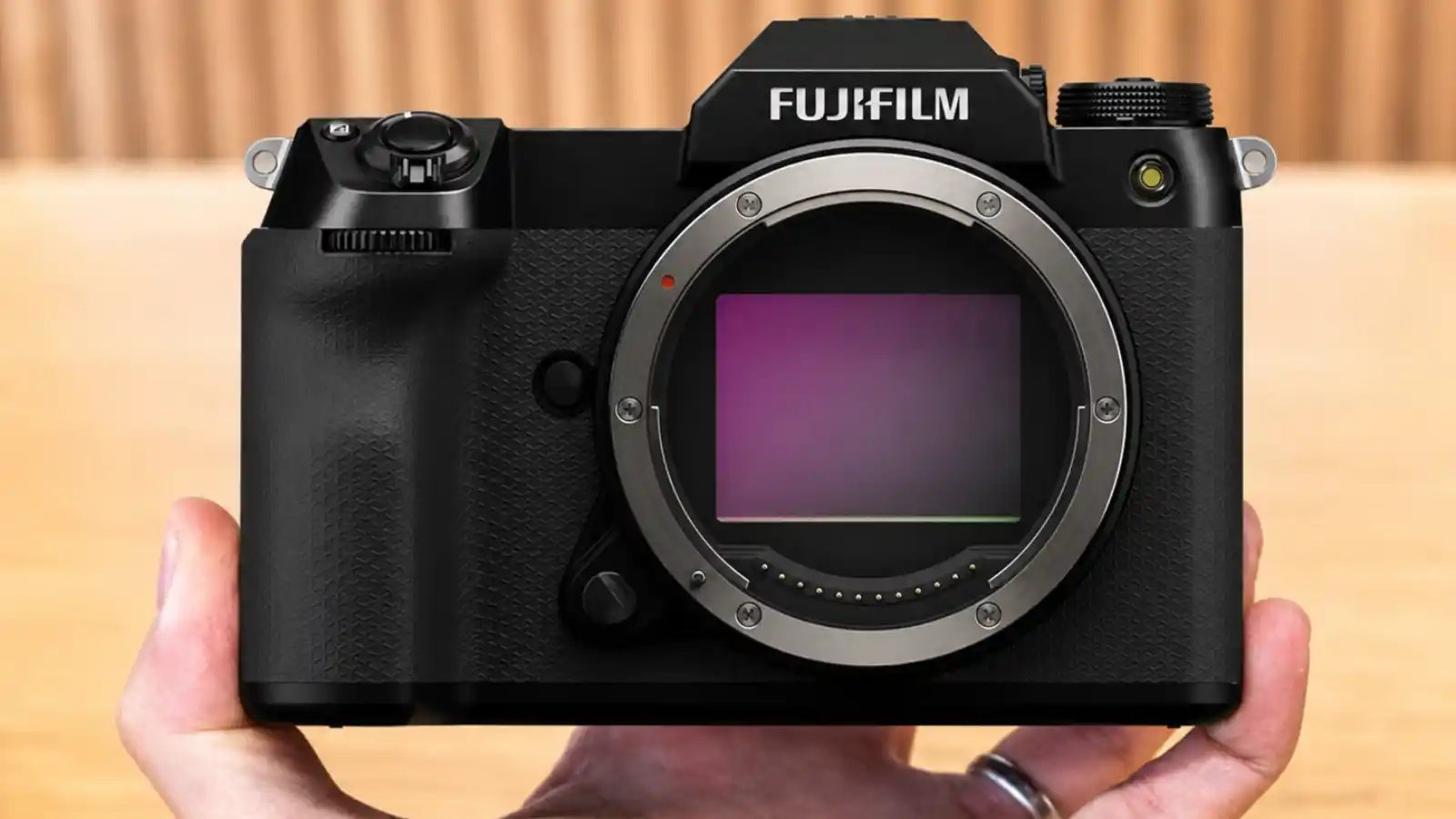
Fujifilm GFX100S II
The Fujifilm GFX100S II is a premium medium format camera for photographers who want extreme detail, rich color, and high-quality files. Its 102MP sensor makes it best for studio, landscape, portrait, and fine art photography.
It is expensive and slower than many full-frame cameras, but for planned, detail-focused work, it is worth considering.
Pros
- Exceptional 102MP image detail
- Medium format sensor quality
- Beautiful color and dynamic range
- Great for landscapes, portraits, and studio work
- Strong in-body image stabilization
- High-resolution electronic viewfinder
- Good handheld performance for still subjects
- Strong files for editing and large prints
Cons
- Very expensive
- Not beginner-friendly
- Slower autofocus compared to many full-frame cameras
- Not ideal for sports or wildlife
- Learning curve can feel steep
The Fujifilm GFX100S II is not a camera for everyone. It is made for photographers who want extremely high-resolution files and more control over their final image.
If you shoot landscapes, portraits, architecture, studio work, or fine art, this camera can give you a level of detail that smaller sensor cameras may not match.
Based on real user feedback, many buyers love the image quality, color, sharpness, and flexibility of the RAW files.
Some users say the files look excellent straight out of the camera, while others like how much room they have for editing. But users also mention that this camera is slower, heavier, and more demanding than regular full-frame cameras.
Key Features
- Sensor & Image Quality:
The Fujifilm GFX100S II has a 102MP medium format CMOS sensor with the X-Processor 5 engine. This is its biggest strength. It gives very detailed images, strong color, and plenty of room for cropping, editing, and large prints. - Autofocus:
The camera includes Face/Eye detection and AI-assisted subject tracking. It can work well for portraits and slower subjects, but it is not the fastest option for sports, wildlife, or quick action. Some users coming from Sony, Canon, or Nikon full-frame cameras may find the autofocus slower. - Video:
The GFX100S II offers 4K 30p video with 4:2:2 10-bit internal recording. It also supports formats like ProRes and Blackmagic RAW. Video is useful here, but this camera is still mainly strongest as a still photography camera. - Stabilization:
It has powerful in-body image stabilization with up to 8 stops of correction. This helps when shooting handheld, especially for landscapes, portraits, indoor scenes, and slower photography. - Build & Handling:
For a medium format camera, the body is relatively compact, but it is still larger and heavier than many full-frame cameras. Some users like the design, while others say the menu system and controls take time to learn. - Lens System:
The Fujifilm G mount gives access to high-quality GF lenses. These lenses are made for medium format image quality, but they can also add a lot to the total cost of the system.
Who Should Buy It
The Fujifilm GFX100S II is best for:
- Studio photographers
- Landscape photographers
- Portrait photographers
- Fine art photographers
- Architecture photographers
- Commercial photographers
- Users who need large prints
- Photographers who want maximum detail
Drawbacks
The Fujifilm GFX100S II is powerful, but it is not the best choice for beginners or fast-paced shooting. It is expensive, and the full system cost can become very high once you add GF lenses.
Some users also mention slower autofocus, slower shutter response, and a learning curve with menus and settings.
A few buyers also reported defective units or quality control issues, so buying from a trusted seller is important.
It is not the camera most people should choose for sports, wildlife, or quick everyday shooting.
If you want high-resolution detail but do not need a medium format system, read our Fujifilm X-H2 review. It may be a more practical APS-C option for landscapes, products, studio work, portraits, and hybrid photo/video shooting.
Why We Recommend It
We recommend the Fujifilm GFX100S II because it delivers outstanding image detail for photographers who truly need high-resolution files.
Based on user feedback, it is especially strong for landscapes, portraits, studio work, architecture, and fine art photography.
It is not the most practical camera for everyone, but for slow, planned, detail-focused photography, it can produce beautiful results.
Final Verdict
The Fujifilm GFX100S II is a strong choice if your main goal is maximum image quality, rich detail, and professional-level files for editing or large prints.
It is best for photographers who take their time and want full control over their final image.
It is expensive, slower than many full-frame cameras, and not beginner-friendly.
But if you shoot studio, landscape, portrait, or fine art work and want the detail of medium format, the Fujifilm GFX100S II is worth considering.
Find Your Match
Find Your Perfect Camera
Answer a few simple questions and get camera recommendations based on your budget, photography style, experience level, video needs, and portability preference.
Your Results
Your Best Camera Matches
Based on your answers, these cameras may fit your needs best. This tool gives a helpful starting point, but always compare the latest prices, lenses, and real user feedback before buying.
Note: These recommendations are based on general use cases, camera features, and practical buying logic.
Prices and availability can change by retailer, country, kit option, and discounts.
Photographer Spotlights: Which Camera Fits Your Style?
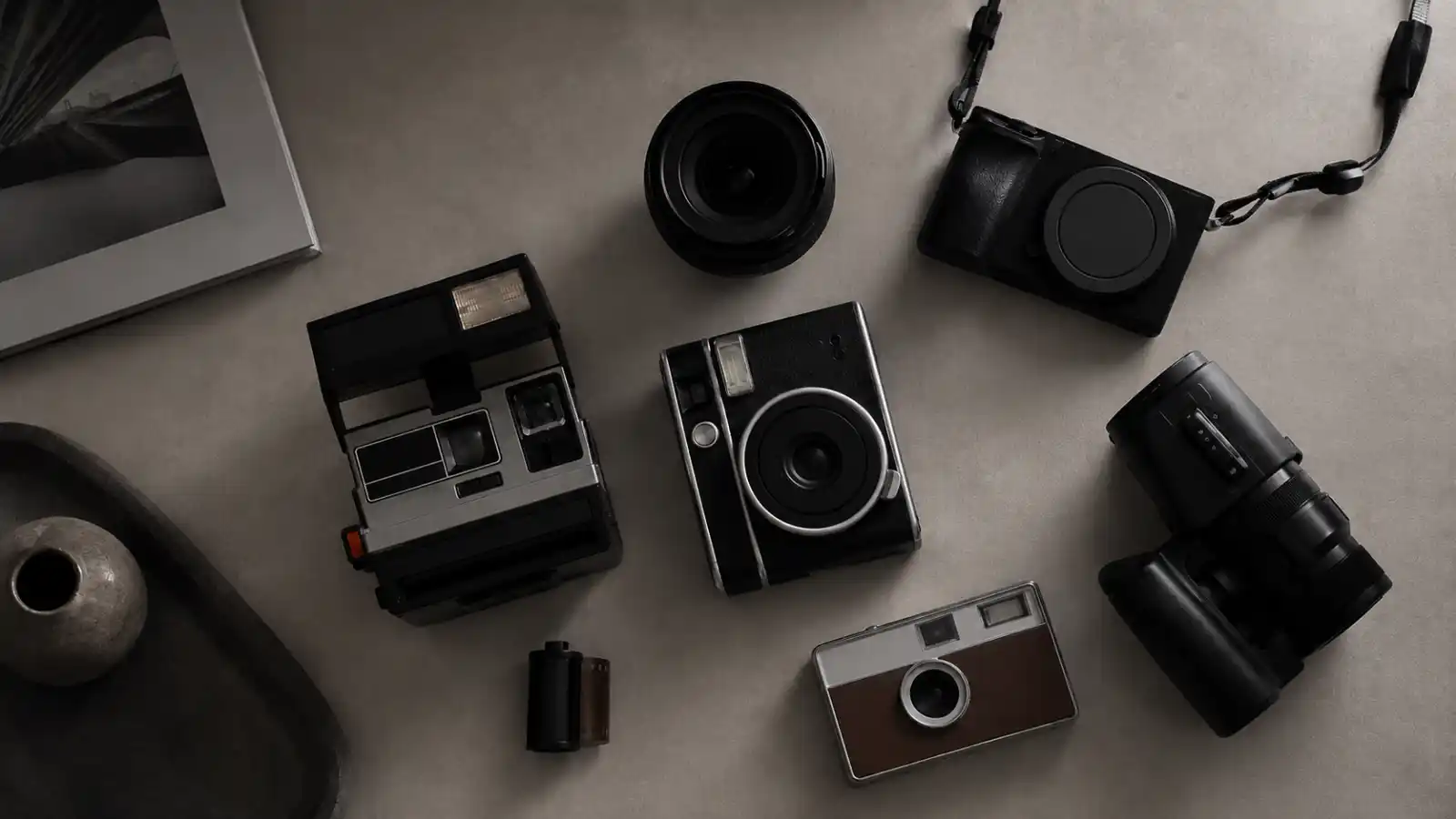
Sometimes the best way to choose a camera is to imagine how it will actually be used.
Specs matter, but real photography needs are different for every person.
A travel photographer may care about detail and color, while a wedding photographer needs fast autofocus and strong low-light performance.
Here are a few simple use cases to help you understand which camera may fit your style better.
1. Travel Photographer: Fujifilm GFX100S II
A travel photographer often wants rich detail, beautiful colors, and files that look strong even after editing.
The Fujifilm GFX100S II can work well for travel photographers who care more about image quality than speed.
Its medium format sensor gives excellent detail, which is useful for landscapes, architecture, city scenes, and scenic travel shots.
It is not the fastest camera, so it is better for planned travel photography rather than quick action.
Best for: Travel, landscapes, architecture, fine detail
Why it works:
It gives high-resolution images, strong colors, and plenty of editing flexibility for photographers who want their travel photos to look polished and professional.
Image suggestion:
A clean travel or landscape photo showing rich colors, wide scenery, and sharp detail.
2. Wedding and Portrait Artist: Canon EOS R6 Mark II
Wedding and portrait photographers need a camera they can trust. Moments happen quickly, lighting can change fast, and missing focus can ruin an important shot.
The Canon EOS R6 Mark II is a strong fit because it has fast autofocus, good subject tracking, strong low-light performance, and comfortable handling.
These things matter a lot when shooting weddings, portraits, events, and emotional moments.
Best for: Weddings, portraits, events, low light
Why it works:
It helps capture people clearly, even when they move or when the light is not perfect. Its autofocus and low-light performance make it a practical choice for real event work.
Image suggestion:
A wedding portrait with soft background blur, sharp focus on the subject, and warm natural light.
3. Urban and Street Photographer: Sony Alpha 7 IV
Street photography needs a camera that feels flexible, fast, and reliable.
You may be shooting moving people, changing light, city shadows, bright streets, or quiet everyday moments.
The Sony Alpha 7 IV works well for this style because it offers strong image quality, good autofocus, useful dynamic range, and solid hybrid performance for both photos and video.
For photographers who like a simple fixed-lens setup for street photos, our Ricoh GR IV review may also help you compare a compact camera with larger mirrorless options.
Best for: Street, travel, portraits, hybrid use
Why it works:
It handles different lighting situations well and gives sharp, detailed images. The autofocus is also helpful when capturing quick candid moments.
Image suggestion:
A candid street photo with strong contrast, city movement, and natural light
Quick Takeaway
If you shoot weddings, portraits, action, or low-light events, the Canon EOS R6 Mark II is the safer all-round pick.
If you want a flexible camera for street, travel, portraits, and video, the Sony Alpha 7 IV is a great middle ground.
The right camera depends on what you shoot most. Choose the one that fits your real use, not just the one with the biggest specs
Lens and Accessory Guide: Completing Your Camera Kit
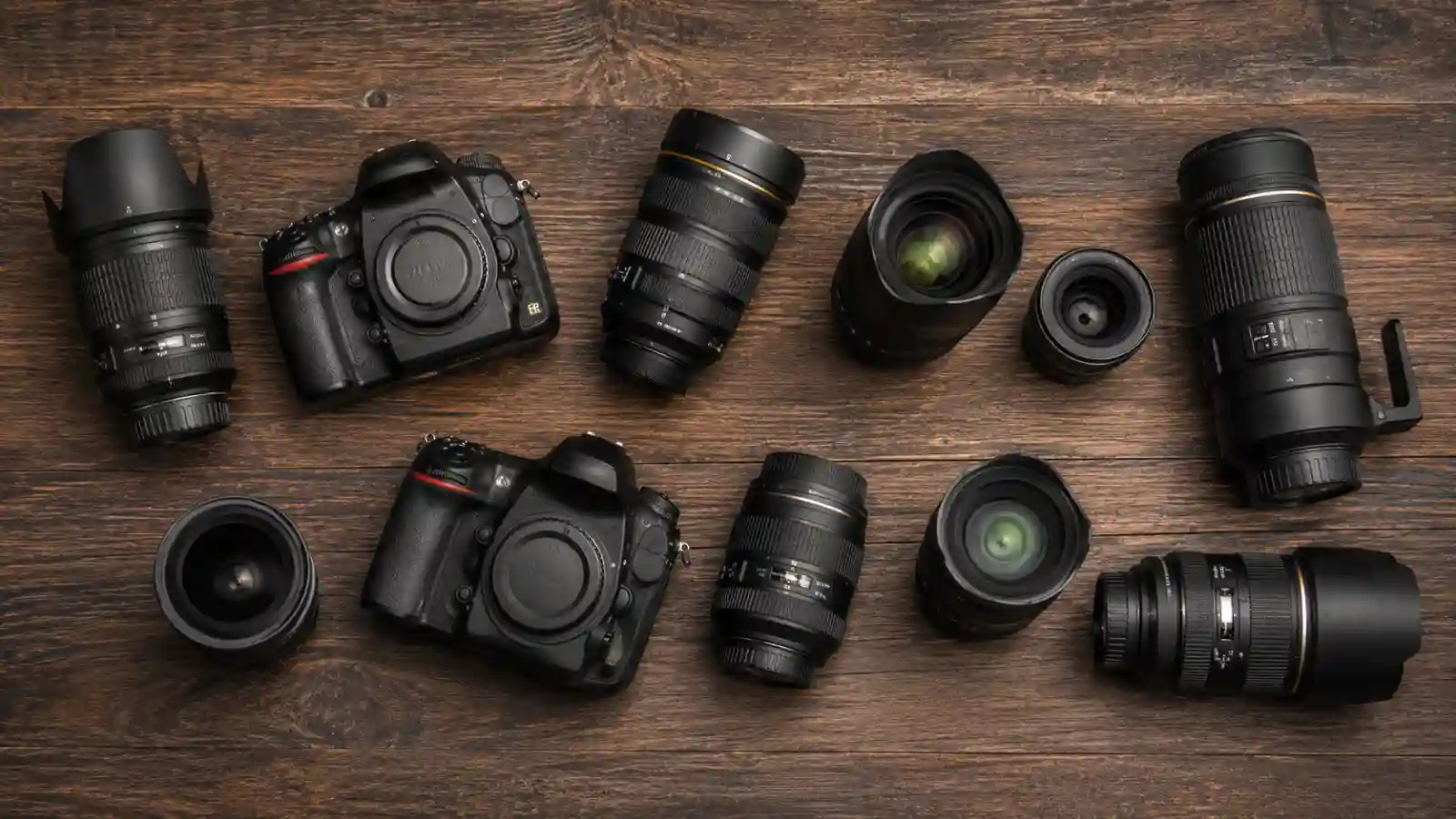
A good camera body matters, but lenses and accessories can change your results even more. A mid-range camera with a strong lens can often perform better than an expensive body with a weak lens.
Before buying, think about the full kit you will actually use, not just the camera body.
Prime Lenses
Prime lenses have one fixed focal length, like 35mm, 50mm, or 85mm. They are often sharp, bright, and useful in low light.
Best for:
- Portraits
- Street photography
- Low-light shots
- Soft background blur
Because they do not zoom, you need to move closer or farther from your subject. This can also help you improve your framing.
Zoom Lenses
Zoom lenses let you change focal length without switching lenses. They are useful when you need flexibility, especially during travel, events, weddings, or family shoots.
Best for:
- Travel
- Events
- Weddings
- Everyday photography
A good zoom lens is a safer choice if you want one lens for many situations.
Essential Focal Lengths
Wide-angle: Best for landscapes, architecture, interiors, and night sky shots. Common options are 10-24mm for APS-C and 16-35mm for full-frame.
Standard: Best for daily photos, portraits, street shots, and events. Popular options are 35mm, 50mm, or 24-70mm.
Telephoto: Best for portraits, sports, wildlife, and distant subjects. Common options start around 70-200mm.
Extra Batteries and Memory Cards
Mirrorless cameras can drain battery quickly, especially during video, travel, weddings, or wildlife shoots. Keeping at least one spare battery is a smart idea.
Fast memory cards are also important for RAW photos, burst shooting, 4K video, and high-resolution files. Slow cards can cause delays or recording issues.
Camera Bag
A camera bag protects your camera, lenses, batteries, memory cards, and cleaning tools. For travel, choose something light and comfortable. For professional work, choose stronger protection and more space.
Tripod
A tripod helps with sharp low-light photos, long exposures, landscapes, product shots, videos, and self-portraits.
My sister has always been interested in camera gadgets.
Last year, she bought a tripod to record her own videos, and it made her setup feel much easier and more stable.
That is why we see a tripod as one of the most practical accessories, especially for video creators or anyone shooting alone.
Filters
Filters can protect your lens and improve certain photos.
UV filter: Protects the front of your lens.
Polarizer filter: Reduces glare and improves skies and outdoor colors.
ND filter: Reduces light so you can shoot long exposures in bright conditions.
Cleaning Kit
A basic cleaning kit helps keep your photos clear. A microfiber cloth, lens pen, and dust blower are enough for most beginners.
Clean glass matters more than many people think.
External Microphone
If you record video, an external microphone can improve your sound a lot. Built-in camera mics often pick up wind, handling noise, and background sound.
For vlogging, interviews, YouTube videos, or professional content, a shotgun mic or lavalier mic is a useful upgrade.
Future-Proofing Your Camera Investment
Lens System: Choose a camera with strong lens options. Lenses often last longer than camera bodies, so this matters for long-term use.
Upgrade Path: Check if the brand gives you room to upgrade later. A good system lets you move to a better body without replacing all your lenses.
Firmware Support: Firmware updates can improve autofocus, fix issues, and add useful features. This can keep your camera useful for longer.
Resale Value: Popular cameras from trusted brands usually hold value better. Keeping your camera in good condition can help if you sell or upgrade later.
Learn Before You Upgrade: Before buying a new camera, learn your current one properly. Manuals, tutorials, and practice can help you get better results from the camera you already have.
Update Note: At HZ Lens Lab, we aim to update our guides when major product updates, new models, or repeated user feedback changes appear.
Quick Takeaway
Choose a camera system that fits your needs today and gives you room to grow tomorrow.
Final Buying Advice
Do not choose a camera only because of megapixels or big specs. Focus on sensor quality, autofocus, lens options, comfort, and real user feedback.
The best camera is the one that fits your budget, matches your photography style, and makes you want to shoot more.
If you want my personal recommendation:
For a balanced all-round camera with reliable autofocus, low-light performance, and great handling, go withCanon EOS R6 Mark II
About HZ Lens Lab
HZ Lens Lab is run by two sisters, Zainab and Humna Khursheed, who are passionate about photography, nature, and cameras. We create research-based guides and reviews using real user experiences.
Our goal is to help beginners, enthusiasts, and professionals make smart decisions when buying cameras and accessories.
We focus on honest advice, detailed comparisons, and actionable recommendations, so you can spend more time capturing great moments rather than guessing which gear to buy.
Review Methodology
At HZ Lens Lab, we select cameras based on real-world user feedback, research, and majority consensus. Every camera is evaluated for:
- Image quality – sharpness, color accuracy, low-light performance
- Autofocus – speed, tracking, and reliability for photos and video
- Ergonomics – handling, comfort, and practical use
- Lens ecosystem – available lenses, upgrade path, and versatility
- Value for money – cost vs features, and long-term usability
We study product specifications, expert opinions, buyer reviews, and repeated user feedback patterns to understand what most real users experience. We do not claim hands-on testing unless we have personally used the product.
We prioritize practical performance over just specs, so our recommendations help you choose a camera that truly fits your photography style and needs.
Other Posts
Sigma BF – Review
Read our Sigma BF review for owner feedback, pros, cons,...
Read More
Nikon Z6III vs Z8
Compare Nikon Z6III vs Z8 for image quality, autofocus, video,...
Read More
Fujifilm X-H2 Review 2026
Our Fujifilm X-H2 review covers image quality, autofocus, 8K video,...
Read More